

You bump your leg on the corner of the bed. Or maybe you do not even remember bumping it at all. A day later there is a big purple mark on your shin. If you seem to bruise more easily than other people, you are not alone. Easy bruising is a common complaint, and it often becomes more noticeable as we get older.
Most of the time, easy bruising is harmless. But it can also be a clue that your skin and the tiny blood vessels under it need a little more support. What you eat plays a real part in how strong those blood vessels are and how quickly bruises fade. This guide explains what a bruise is, why some people bruise more easily, which nutrients matter most, and when it is time to talk to a doctor.
Just under your skin is a huge web of tiny blood vessels. Many are thinner than a strand of hair. When you bump into something, some of those tiny vessels can break. A small amount of blood leaks out and gets trapped under the skin. That trapped blood is what you see as a bruise.
A fresh bruise often looks red or purple. Over the next few days, it may turn blue or dark purple. Then it shifts to green, then yellow or brown, before it fades away. These color changes happen as your body slowly breaks down the trapped blood and cleans it up. Most bruises heal on their own in about one to two weeks.
Yes. As we age, our skin gets thinner and loses some of the soft cushion of fat that protects the blood vessels underneath. The blood vessel walls themselves can also become more fragile. Years of sun exposure add to this, especially on the arms and the backs of the hands. This is why many older adults notice dark bruises from even small bumps.
Some people simply bruise more easily than others, and women often bruise more easily than men. Certain medicines can make bruising more likely, including blood thinners, daily aspirin, some pain relievers, and steroid medicines. Some supplements, like fish oil and Ginkgo, may also have an effect. Being low on certain nutrients, especially vitamin C and vitamin K, can play a part too. That is where food comes in.
Talk to your doctor if you have bruises that appear for no reason, bruises that are very large or painful, or bruises that do not fade after two weeks. Also check in if you notice bleeding gums, frequent nosebleeds, blood in your urine or stool, or tiny red dots on your skin. And let your doctor know if easy bruising started after beginning a new medicine. These can be signs of something that needs medical care, and it is always better to check.
Your body uses vitamin C to build the tough, stretchy material that makes up the walls of your blood vessels and holds your skin together. Think of it like the rebar inside a concrete wall. When vitamin C runs low, that material gets weaker. Blood vessels break more easily, and bruises can show up from small bumps. Vitamin C also helps wounds heal and helps your skin repair itself.
There is a reason why easy bruising is one of the classic signs of a sickness called scurvy, which comes from going a long time without enough vitamin C. Scurvy is rare today, but doctors still see it, especially in people who eat very few fruits and vegetables. Milder shortfalls of vitamin C are much more common and may quietly leave your skin and blood vessels less sturdy than they could be.
Your body cannot make or store much vitamin C, so you need it every day. Great food sources include oranges, strawberries, kiwi, bell peppers, broccoli, and tomatoes. Acerola, a small red cherry, is one of the richest natural sources in the world. The Acerola Extract in Rewind Greens gives you a steady daily dose, along with Strawberry Fruit Powder and Organic Broccoli Powder. Since vitamin C is used up quickly, a daily habit beats an occasional big dose.
When a blood vessel breaks, your body needs to plug the leak fast. Vitamin K helps your body make the proteins that form a clot and stop the bleeding. Without enough vitamin K, blood takes longer to clot, and bruises can spread wider than they would otherwise. Vitamin K also plays a part in keeping your bones strong.
The main type of vitamin K in food comes from green plants. Dark leafy greens like spinach, kale, and collards are some of the best sources. Broccoli, Brussels sprouts, and cabbage are also good. Rewind Greens includes Spinach Leaf Powder and Organic Broccoli Powder, two classic green foods. Eating your greens with a little healthy fat, like olive oil or nuts, helps your body take in more vitamin K.
For most people, getting vitamin K from food is safe and healthy. But if you take a blood thinner called warfarin, vitamin K matters a lot. Warfarin works by blocking vitamin K, so big changes in how many greens you eat can change how well your medicine works. People on warfarin are usually told to keep their vitamin K intake steady from day to day rather than avoid it. If you take any blood thinner, talk to your doctor before adding a greens drink to your routine.
Deep blue and purple foods get their color from natural plant compounds that act as protectors for your cells. Bilberry, a close cousin of the blueberry, has a long history of use for supporting the small blood vessels in the legs and eyes. Blueberry Powder brings similar deep-colored compounds. Grapeseed Extract is packed with protective compounds from grape seeds. Quercetin Dihydrate, found naturally in apples and onions, is another well-studied plant protector. All of these are in Rewind Greens, and together they may help support the strength of the tiny blood vessels under your skin.
Yes. Healing a bruise takes building blocks. Protein gives your body the raw material to repair tissue, so make sure you eat some at each meal. Zinc helps with wound healing, and Spirulina in your greens drink provides some zinc along with iron and B vitamins. Staying well fed overall gives your body what it needs to clean up bruises and repair skin faster.
Small changes around the house can mean fewer bumps. Clear clutter from walkways, use night lights, and move furniture away from busy paths. Wear long sleeves and pants when gardening or doing yard work. Protect your skin from the sun with sunscreen and clothing, since sun damage makes skin thinner and more fragile over time. And stay active to keep your muscles strong and your balance sharp.
Right after a bump, hold a cold pack or a bag of frozen peas wrapped in a thin towel against the spot for 10 to 20 minutes. This helps limit how much blood leaks out. If the bruise is on an arm or leg, raise it above your heart for a while. After a day or two, a warm cloth may help the area feel better. Then let your body do the rest.
The roles of ascorbic acid and vitamin K in vascular integrity, skin health, and hemostasis are well established in the clinical and nutritional literature.
A bruise is just a small leak from tiny blood vessels under your skin. Some bruising is a normal part of life, and it often becomes more common with age. But how easily you bruise and how quickly bruises fade are partly shaped by what you eat. Vitamin C helps build strong blood vessel walls and skin. Vitamin K from leafy greens helps your blood clot. Berry and grape plant protectors may help support the tiny vessels under your skin.
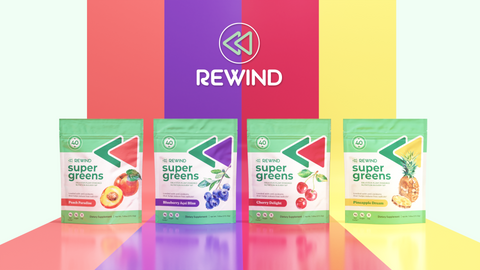
A daily greens drink brings these together in one simple habit: Acerola Extract for vitamin C, Spinach Leaf Powder and Organic Broccoli Powder for green goodness, and Bilberry, Blueberry, Grapeseed Extract, and Quercetin Dihydrate as plant protectors. Pair it with colorful meals, a safer home, and sun protection. And if bruising seems unusual for you, talk to your doctor.
It can be one possible cause, but it is not the only one. Age, sun damage, medicines, and other health conditions can all lead to easy bruising. If you are worried, your doctor can help figure out the cause. Eating plenty of fruits and vegetables every day is a smart step either way.
Talk to your doctor or pharmacist first. Leafy green ingredients contain vitamin K, which can affect how some blood thinners work, especially warfarin. Other ingredients, like Ginkgo, may also affect clotting. Your care team can help you decide what is safe for you and how to keep your intake steady.
Your skin and blood vessels rebuild slowly over time. Most people need several weeks of steady, daily nutrition before noticing changes. The key is consistency. A daily habit gives your body a steady supply of the nutrients it needs to keep tissue strong.
With age, skin becomes thinner, the protective layer of fat under the skin shrinks, and blood vessel walls become more fragile. Years of sun exposure speed this up. Gentle skin care, sun protection, a safer home, and good daily nutrition all help.
Flat, purple bruises on the forearms and backs of the hands are very common in older adults, often from minor bumps or even no bump you can remember. They are usually harmless. Still, mention them to your doctor if they are new, getting worse, or come with other bleeding.
Cherry Delight
$39.99

Pineapple Dream
$39.99
Blueberry Acai Bliss
$39.99


