

Think about how much of your day you spend sitting. You sit to eat breakfast. You sit in the car or on the bus. You sit at your desk for hours. You sit through meetings, sit for lunch, sit on the drive home, and then sit on the couch in the evening. For many people with desk jobs, sitting takes up most of their waking hours.
Your body was built to move. When you sit for long stretches without a break, your muscles switch off, your blood flow slows, and your back, neck, and hips can start to ache. Many people also notice an afternoon energy crash or feel stiff and sluggish by the end of the day. The good news is that you do not need to quit your job or run a marathon to feel better. Small breaks, a better desk setup, and smart daily nutrition can make a real difference. This guide shows you how.
When you sit still, the big muscles in your legs and back barely have to work. Those muscles are some of the biggest users of the sugar in your blood. When they stay switched off for hours, your body has a harder time clearing sugar from your blood after meals. Research has found that blood sugar stays higher after a meal when people sit without a break, compared with when they take short walking breaks.
Long sitting also lets blood pool in your legs, which can make your feet and ankles swell by the end of the day. Your hip muscles get tight from staying bent. Your back and neck strain to hold you up, especially if you lean toward your screen. And your energy can sag, because your body takes stillness as a cue to slow down.
Exercise is wonderful for your health, and you should keep doing it. But research suggests that a single workout does not fully cancel out the effects of sitting for many hours in a row. Someone who goes to the gym for an hour but sits for the other 10 waking hours still faces some of the downsides of long sitting. The best plan is both: regular exercise and frequent breaks from sitting throughout the day.
A good goal is to stand up and move for two to five minutes every 20 to 30 minutes. That may sound like a lot, but it adds up quickly and does not have to interrupt your work. In one well-known study, adults who got up every 20 minutes for a two-minute walk had noticeably lower blood sugar after a meal than when they sat the whole time. Their blood sugar response was about a quarter lower. Even easy, slow walking helped.
Another study by the same research group found that breaking up long sitting with short walks also helped lower blood pressure in adults who were overweight. Small, frequent movement seems to give your body a steady reminder to keep working.
Almost anything that gets you up and moving. Walk to refill your water bottle. Take the stairs to a different floor. Walk to a coworker's desk instead of sending a message. Pace while you take phone calls. Do 10 squats next to your desk. March in place during a video call with your camera off. Stretch your arms overhead and roll your shoulders. The point is not to break a sweat. It is to wake your muscles up.
Set a timer on your phone or computer that goes off every 30 minutes. Many smartwatches have built-in reminders to stand. You can also tie breaks to things that already happen, like getting up after every meeting, every phone call, or every time you send a big email. Drinking plenty of water helps too, because it naturally sends you on more trips to the restroom.
Sit all the way back in your chair so your lower back is supported. Keep your feet flat on the floor or on a footrest, with your knees about level with your hips. Place your screen about an arm's length away, with the top of the screen at or slightly below eye level. That way you do not have to tip your head down or forward. Keep your keyboard and mouse close so your elbows stay relaxed by your sides. If you use a laptop, a stand and a separate keyboard can save your neck.
Standing desks let you switch between sitting and standing, which can feel good for your back and help break up long sitting. But standing still for hours brings its own problems, like sore feet and tired legs. Research suggests that light walking does more for your body than just standing. The best approach is to mix it up: sit some, stand some, and walk often.
Staring at a screen for hours can leave your eyes dry, tired, and strained. Try the 20-20-20 rule: every 20 minutes, look at something 20 feet away for 20 seconds. Blink often, adjust your screen brightness to match the room, and keep the screen free of glare. Rewind Greens includes Lutein, a natural yellow plant pigment that collects in the eyes, along with Bilberry Fruit Extract and Blueberry Powder.
A few simple stretches can undo a lot of desk stiffness. For your neck, gently tip your ear toward your shoulder and hold for 20 seconds on each side. For your shoulders, roll them slowly backward 10 times, then squeeze your shoulder blades together. For your back, sit tall, place your hand on the opposite knee, and gently twist. For your hips, stand up and step one foot back into a small lunge, keeping your back straight, and feel the stretch in the front of your hip. For your wrists, stretch your arm out with your palm up and gently pull your fingers back with your other hand.
Move slowly and never push into pain. A few minutes of stretching a couple of times a day can help you feel looser and more comfortable by quitting time.
The mid-afternoon slump is real for many desk workers. A big, heavy lunch, especially one loaded with white bread, pasta, or sweets, can leave you sleepy. So can not drinking enough water, sitting still for hours, and staring at a screen. A short walk after lunch is one of the best ways to beat the slump. Fresh air and daylight help too.
Build lunches around vegetables, a protein food, and some whole grains, like a big salad with chicken and beans, a veggie-packed wrap, or leftovers from a home-cooked dinner. For snacks, keep healthy options in your desk drawer or bag: nuts, apples, carrots and hummus, cheese sticks, or whole grain crackers. When healthy food is close by, the vending machine and the office candy bowl lose their pull.
A morning greens drink gives you a steady base of plant nutrition before the workday begins. Barley Grass Powder and Wheatgrass Powder bring magnesium, which helps your muscles relax. Spirulina brings iron and B vitamins, which your body uses to turn food into energy. Leafy greens, berries, and 24 plant ingredients in all help fill the gaps that busy workdays tend to leave behind. Keep a single-serve pack in your desk drawer for days when you rush out the door.
Keep a big water bottle on your desk and sip all day. Aim to empty and refill it at least two or three times during the workday. Water helps you stay alert, and the trips to refill it are built-in movement breaks.
Experimental studies have examined the acute cardiometabolic effects of interrupting prolonged sitting with brief bouts of physical activity.
Sitting all day is a normal part of modern work, but your body was built to move. Long, unbroken stretches of sitting can leave you stiff, sluggish, and achy, and research shows they can keep blood sugar higher after meals. The fix is surprisingly simple: get up and move for a few minutes every 20 to 30 minutes, set up your desk to support good posture, stretch a few times a day, and fuel your body well.
Start your workday with a morning greens drink for a base of 24 plant ingredients. Keep water and healthy snacks within reach. Take a short walk after lunch. These small habits add up to more energy, less stiffness, and a body that feels better at the end of every workday.
There is no single cutoff that applies to everyone. A practical goal is to avoid sitting for more than 30 minutes at a time without getting up. Short breaks of two to five minutes are enough to make a difference.
It can go either way. Working from home removes the walk to the train, the office kitchen, and coworkers' desks. Many remote workers end up sitting even more. Build movement into your day on purpose: walk during phone calls, take a lap around the block at lunch, and set a timer to stand up regularly.
Fidgeting, like tapping your feet or shifting in your chair, does burn a little extra energy, and it is better than sitting perfectly still. But it is not a replacement for standing up and walking. Use real movement breaks as your main tool.
Look for small chances wherever you can. Stand while you read documents. Do calf raises at your desk. Walk the long way to the restroom. Take the stairs. Use part of your lunch break for a short walk. Every little bit of movement helps.
A greens drink is not a quick pick-me-up. But taken every morning, its B vitamins, iron, and magnesium support the everyday energy processes in your body. Combined with water, movement breaks, and a balanced lunch, it can be part of a routine that helps you feel steadier through the afternoon.


Cherry Delight
$39.99

Pineapple Dream
$39.99
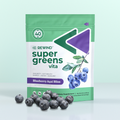
Blueberry Acai Bliss
$39.99


