

Walk down the bread aisle and you will see words like multigrain, wheat, seven-grain, stone-ground, and made with whole grains. They all sound healthy. But they do not all mean the same thing, and some of them do not mean much at all. Whole grains are one of the most helpful foods you can add to your diet, but figuring out which products are truly whole grain can be confusing.
This guide makes it simple. You will learn what a whole grain actually is, why it matters, how to spot the real thing at the store, and easy ways to add more to your meals. You do not need to give up bread, pasta, or rice. You just need to choose the whole grain versions more often. You will also see how whole grains and a daily super greens drink work together.
Every grain, like a kernel of wheat, a grain of rice, or an oat, starts out with three parts. The bran is the tough outer skin. It holds most of the fiber, plus B vitamins and minerals. The germ is the tiny seed inside that could grow into a new plant. It holds healthy fats, vitamin E, and more B vitamins and minerals. The endosperm is the big, starchy middle. It holds mostly starch and some protein. It is the food supply for the growing seed.
A whole grain keeps all three parts. A refined grain has the bran and germ removed, leaving only the starchy middle. Refining gives grains a softer texture and a longer shelf life, but it strips away most of the fiber and many vitamins and minerals. White bread, white rice, regular pasta, and most crackers and baked goods are made from refined grains. Some nutrients are added back to enriched flour, but fiber and many other nutrients are not.
Popular whole grains include whole wheat, oats, brown rice, wild rice, barley, bulgur, farro, corn, popcorn, rye, millet, buckwheat, and sorghum. Quinoa is technically a seed, but it is cooked and eaten like a grain and offers similar benefits. Whole grains come in many forms, from breakfast oatmeal to whole wheat pasta to a bowl of popcorn.
Large studies have looked at the eating habits and health of hundreds of thousands of people. One big review found that people who ate about three servings of whole grain foods a day had a lower risk of heart disease and a lower risk of dying early from many causes compared with people who ate few or none. Another large set of reviews found that people who ate the most fiber and whole grains had the lowest risk of heart disease, stroke, type 2 diabetes, and colon cancer. Benefits were greatest at about 25 to 29 grams of fiber a day.
A third review found that people who ate three to five servings of whole grains a day had a lower risk of type 2 diabetes and heart disease, and gained less weight over time, than people who rarely ate whole grains.
Fiber is a big part of the reason. It helps you feel full, keeps digestion regular, and helps manage cholesterol. Because whole grains digest more slowly than refined grains, they give you steadier energy instead of a quick spike and crash. Whole grains also bring B vitamins, iron, magnesium, zinc, and natural plant compounds that work together in ways that refined grains and vitamin pills cannot fully copy.
A good goal for most adults is to make at least half of your grains whole grains. That usually means about three or more servings of whole grains a day. One serving is about one slice of whole grain bread, half a cup of cooked oatmeal, brown rice, or whole wheat pasta, or three cups of popped popcorn. Most Americans eat far fewer whole grains than this, so even small changes can make a real difference.
Look for the word whole before the grain name, like whole wheat flour, whole grain oats, or whole grain corn. Brown rice, wild rice, oats, and quinoa are always whole grains. The label 100 percent whole wheat or 100 percent whole grain is a strong sign. Some products also carry a Whole Grain Stamp, which shows how many grams of whole grain are in each serving.
Many words sound healthy but do not guarantee a whole grain. Wheat flour, enriched flour, and unbleached flour are usually refined. Multigrain and seven-grain just mean several grains are used, and they may all be refined. Stone-ground and cracked wheat describe how the grain was processed, not whether it is whole. Made with whole grains might mean only a small amount is whole grain. And a brown color does not mean a bread is whole grain. Some breads get their color from molasses or caramel coloring.
Flip the package over and read the ingredients list. The first ingredient should be a whole grain, like whole wheat flour or whole oats. Then check the fiber on the Nutrition Facts label. A good whole grain bread usually has at least 3 grams of fiber per slice.
Swap white bread for 100 percent whole wheat bread. Choose brown rice or wild rice instead of white rice, or try a half-and-half mix to start. Try whole wheat pasta, or a blend of whole wheat and regular pasta. Pick oatmeal instead of a sugary cereal. Use whole wheat tortillas or corn tortillas for wraps and tacos. Snack on popcorn instead of chips. Small, steady swaps add up.
At breakfast, enjoy oatmeal topped with berries and nuts, or whole grain toast with peanut butter. At lunch, try a sandwich on whole grain bread or a grain bowl with brown rice, beans, and roasted vegetables. At dinner, serve farro, barley, or quinoa as a side, or add barley to soups and stews. For snacks, choose whole grain crackers, popcorn, or homemade granola.
Whole grains usually take a bit longer to cook than refined grains, so make a big batch on the weekend and keep it in the fridge for quick meals all week. Cooked grains freeze well too. Quick-cooking options like oats, bulgur, and quinoa are ready in 15 minutes or less. Toasting grains in a dry pan before cooking adds a nutty flavor. If you are new to whole grains, mix them with familiar foods, like adding barley to a favorite soup.
Gluten is a protein found in wheat, barley, and rye. People with celiac disease or gluten sensitivity need to avoid it, but they can still enjoy plenty of whole grains. Brown rice, wild rice, quinoa, buckwheat, millet, sorghum, amaranth, corn, and oats labeled gluten-free are all good choices. Check labels carefully, and talk to your doctor or a dietitian for guidance that fits your needs.
No. Barley Grass Powder and Wheatgrass Powder come from the young green leaves of grain plants, harvested early before the grain forms. They are leafy greens, not grains. They bring magnesium, chlorophyll, and other plant nutrients, but they do not give you the fiber and starch of a bowl of oats or brown rice. Think of them as teammates, not replacements.
A balanced day might start with a bowl of oatmeal topped with berries, plus your morning super greens drink. That combination gives you whole grain fiber, fruit, and a mix of 24 plant ingredients, including Spinach Leaf Powder, Organic Broccoli Powder, Spirulina, and Acerola Extract. Add whole grains at lunch and dinner, and you are well on your way to a plant-rich, balanced diet.
Meta-analyses of prospective cohort studies and clinical trials have examined whole grain and dietary fiber intake in relation to chronic disease and mortality.
Whole grains keep all three parts of the grain, so they deliver fiber, vitamins, minerals, and natural plant compounds that refined grains lose. Research links eating about three or more servings a day with lower risk of heart disease, type 2 diabetes, and early death, and with less weight gain over time.
At the store, look for the word whole as the first ingredient and check for fiber on the label. Do not be fooled by words like multigrain or wheat flour, or by a brown color. At home, make simple swaps like brown rice for white rice and oatmeal for sugary cereal. Pair your whole grains with plenty of vegetables and your daily super greens drink, and you will be building a strong, plant-rich foundation for your health.
Whole wheat is one kind of whole grain. All whole wheat is whole grain, but whole grain foods can also be made from oats, brown rice, barley, corn, and many other grains.
Yes. White whole wheat is made from a lighter-colored type of wheat, but it still includes the bran, germ, and endosperm. It has a milder taste and softer texture, which makes it a great starter option for picky eaters.
Yes. Rolled oats, steel-cut oats, and quick oats are all whole grains. Instant flavored oatmeal packets are whole grain too, but they often contain added sugar, so plain oats are usually a better choice.
Some people notice a little extra gas or bloating when they first eat more fiber. Add whole grains slowly over a few weeks and drink plenty of water. Most people adjust quickly.
Plain popcorn is a whole grain and a great snack. Air-popped or lightly oiled popcorn with a sprinkle of salt or spices is best. Movie theater popcorn and some microwave varieties can be loaded with butter, salt, and oil, so check the label.
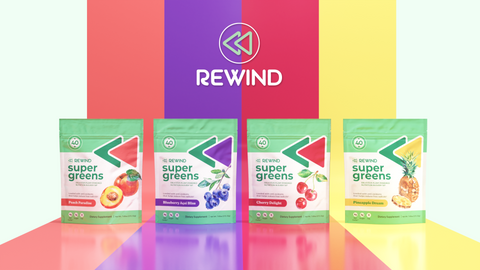
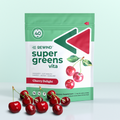
Cherry Delight
$39.99
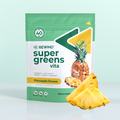
Pineapple Dream
$39.99
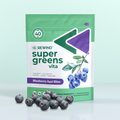
Blueberry Acai Bliss
$39.99


