

A fall can change a life in a split second. For older adults, falls are one of the leading causes of injury, broken hips, and loss of independence. About one in three people over age 65 falls each year. Many more worry about falling, and that fear can lead them to move less, which makes muscles weaker and balance worse. It becomes a cycle.
The good news is that falls are not just bad luck, and they are not a normal part of aging you have to accept. Research shows that the right kind of exercise, a safer home, and a few healthy habits can cut the number of falls in a big way. Fall and winter bring extra risks, like wet leaves, icy steps, and darker evenings. This guide explains why falls happen and gives you simple, practical steps to stay steady on your feet all year long. It also covers how a daily super greens drink can support an active, steady life.
Falls usually happen because of a mix of things, not just one. As we age, our leg muscles tend to get weaker, our reaction time slows, and our balance is not as sharp as it used to be. Eyesight changes can make it harder to see steps, curbs, or objects on the floor. Some medicines can cause dizziness or sleepiness. Feeling lightheaded when you stand up too fast, not drinking enough water, and foot pain can all play a part too.
The home itself can also be a risk. Loose rugs, clutter on the floor, poor lighting, slippery bathtubs, and stairs without handrails cause many falls. Outside, uneven sidewalks, wet leaves, ice, and dark paths add more danger, especially in fall and winter.
After a fall, or even a near miss, many people start to avoid activities they used to enjoy. They walk less, skip the stairs, and stay home more. This makes sense, but it backfires. Moving less leads to weaker muscles and worse balance, which makes the next fall more likely. Staying active, in a safe way, is one of the best ways to break this cycle.
Yes, and the evidence is strong. A large review of more than 100 studies with over 23,000 older adults found that exercise programs reduced the number of falls by about one quarter. That means if a group of older adults would normally have 850 falls in a year, exercise would prevent about 195 of them. Exercise also reduced the number of people who fell at all. An updated review found the same thing and showed that programs focused on balance and everyday movements worked especially well, and programs that mixed several types of exercise worked even better.
The best programs combine three things: balance exercises, strength exercises, and practice with everyday movements like getting up from a chair or turning around. Tai chi, a slow, flowing exercise from China, has also been shown to reduce falls. Walking is great for overall health, but research is less clear on whether walking alone prevents falls. Adding balance and strength work gives you the best chance.
Always stand next to a sturdy counter or chair you can hold for support. Try standing on one foot for 10 seconds, then switch. As it gets easier, hold on with just one finger, then try letting go. Walk heel to toe in a straight line, like walking on a tightrope. Rise up onto your tiptoes and slowly lower back down. Practice standing up from a chair without using your hands, then sitting back down slowly. Do these a few minutes a day, most days of the week.
Strong legs and hips help you catch yourself if you trip. Chair stands, where you stand up and sit down several times, are one of the best moves. Wall push-ups, step-ups on a low step, side leg raises, and calf raises all help too. Light weights or resistance bands can add challenge as you get stronger. If you are new to exercise or have health conditions, ask your doctor or a physical therapist to help you build a safe plan.
Walk through your home and look for things that could trip you. Remove loose throw rugs or tape them down with double-sided tape. Keep walkways clear of clutter, cords, shoes, and pet toys. Add bright lights to stairs and hallways, and put night lights between your bedroom and bathroom. Install grab bars in the shower and next to the toilet. Use a non-slip mat in the tub. Make sure stairways have sturdy handrails on both sides.
Research shows that home safety changes can help, especially for people who are at higher risk of falling or who have trouble seeing. They work best when an occupational therapist visits the home and suggests changes that fit the person's needs. Ask your doctor if a home safety check might be right for you or a loved one.
Fall and winter bring wet leaves, rain, frost, ice, and snow. Days get shorter, so many people walk outside in the dark. Bulky coats and boots can change how you move. All of this adds up to more chances to slip and fall.
Wear shoes or boots with good, grippy soles. In icy areas, slip-on traction cleats that fit over your shoes can help a lot. Research found that an anti-slip device worn on shoes in icy conditions reduced falls. Clear leaves, snow, and ice from steps and walkways, and use salt or sand on icy spots. Carry a flashlight or use your phone light after dark. Take shorter steps and walk more slowly on slippery ground. Keep your hands free so you can use a railing or catch yourself.
Yes. Some medicines, including certain sleep aids, anxiety medicines, blood pressure medicines, and pain relievers, can cause dizziness or drowsiness. Taking several medicines at once can increase the risk. Once a year, bring all your medicines and supplements to your doctor or pharmacist and ask if any might affect your balance. Never stop a medicine on your own without talking to your doctor first.
Get your eyes checked every year and keep your glasses up to date. Be careful with bifocals or progressive lenses on stairs, since they can make steps look blurry. Take care of your feet too. Foot pain, numbness, or poorly fitting shoes can throw off your balance. Choose supportive shoes with low, wide heels and thin, firm soles, and avoid walking around in socks or loose slippers.
It does. Strong muscles need enough protein, so include some at every meal. Not drinking enough water can leave you dizzy and lightheaded, especially when you stand up. Stand up slowly, and pause for a moment before you start walking. A daily super greens drink adds a base of plant nutrition that supports an active life. Barley Grass Powder and Wheatgrass Powder bring magnesium, which helps your muscles work. Spirulina brings iron and B vitamins for steady energy. Lutein, a natural yellow plant pigment found in leafy greens, collects in the eyes. Mixing your greens into a big glass of water also gives you a head start on staying hydrated.
Cochrane systematic reviews and an update conducted for World Health Organization guidelines have evaluated interventions to prevent falls in community-dwelling older adults.
Falls are common, but many can be prevented. Exercise that builds balance and strength is the most powerful tool, cutting falls by about one quarter in large studies. Simple changes at home, like removing loose rugs, adding lights, and installing grab bars, make a big difference too. In fall and winter, grippy shoes, cleared walkways, and extra care in the dark help keep you safe outside.
Review your medicines once a year, keep your glasses up to date, take care of your feet, drink plenty of water, and eat enough protein. Start your day with your super greens drink for a base of plant nutrition that supports an active life. Every small step you take toward better balance helps you stay strong, steady, and independent.
No. Research shows that older adults of many ages can improve their balance and strength with regular practice. Even people in their 80s and 90s benefit. Start slowly, hold on to something sturdy, and build up over time.
Many fall prevention programs include balance and strength exercises a few times a week, and practicing more often tends to help more. Even a few minutes of balance practice every day is a good start. Consistency matters more than intensity.
A cane or walker can be very helpful for some people, but it needs to be the right type and fitted to your height. Ask your doctor or a physical therapist whether one would help you and how to use it correctly.
Stay calm and take a moment to check for pain. If you are hurt or cannot get up, call for help using a phone or medical alert device. If you can get up, roll onto your side, then onto your hands and knees, and crawl to a sturdy chair. Use it to slowly push yourself up. Always tell your doctor about a fall, even if you were not hurt.
Research suggests vitamin D supplements do not reduce falls for most people, but they may help people whose vitamin D levels are low. Ask your doctor whether you should have your level checked. Exercise and home safety are the strongest proven tools for preventing falls.


Cherry Delight
$39.99

Pineapple Dream
$39.99
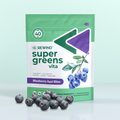
Blueberry Acai Bliss
$39.99


