

Most of us know that too much salt is not great for our health. So we try to go easy on the salt shaker. But here is the surprising part: for most Americans, the salt shaker is not where most of the salt comes from. The bulk of the sodium we eat is already in our food before it ever reaches the table, hiding in bread, soups, deli meats, frozen meals, and restaurant dishes.
The average American eats about 3,400 milligrams of sodium a day. Health guidelines suggest staying under 2,300 milligrams, which is about one teaspoon of salt. Eating too much sodium over time raises blood pressure, and high blood pressure is a leading cause of heart disease and stroke. The good news is that cutting back does not have to mean bland food. This guide shows you where sodium hides, why it matters, and simple ways to cut back while still enjoying great flavor. You will also learn how super greens and other plant foods can help you rebalance your plate.
Not exactly. Table salt is made of two minerals, sodium and chloride. Sodium is the part that affects your health. About 40 percent of salt is sodium. One teaspoon of table salt has about 2,300 milligrams of sodium. Food labels list sodium in milligrams, so that is the number to watch.
Yes, but only a small amount. Sodium helps your body keep the right balance of fluids, helps your nerves send signals, and helps your muscles work. Most people get far more than they need. The problem is not having sodium. It is having too much of it, day after day.
Very little. A detailed study tracked everything 450 adults in three U.S. cities ate and drank, including collecting samples of the salt they added at home. About 70 percent of their sodium came from food prepared outside the home, like packaged foods and restaurant meals. Salt added at the table was only about 5 percent. Salt added while cooking at home was about 6 percent. Sodium found naturally in foods made up about 14 percent.
Some of the biggest sources of sodium in the American diet are foods that do not even taste very salty. Bread and rolls, pizza, sandwiches, deli meats and cold cuts, canned and boxed soups, burritos and tacos, savory snacks like chips and crackers, cheese, frozen meals, and chicken dishes from restaurants are common culprits. Condiments like soy sauce, ketchup, salad dressing, and barbecue sauce add up quickly too.
Salt is cheap, adds flavor, and helps preserve food. Restaurants and food companies often use a lot of it. A single restaurant meal can easily contain a full day's worth of sodium or more. That is why cooking at home more often is one of the best ways to cut back.
When you eat a lot of sodium, your body holds on to extra water to balance it out. That extra fluid increases the amount of blood flowing through your blood vessels, which raises the pressure inside them. Over time, high blood pressure strains your heart and blood vessels and raises the risk of heart attack, stroke, and kidney disease.
Yes. A large review of studies found that cutting salt by about 4.4 grams a day, a little less than a teaspoon, for at least four weeks lowered blood pressure in people with high blood pressure and in people with normal blood pressure. The drop was bigger in people who already had high blood pressure. Another large review found that eating less sodium lowered blood pressure in adults and children without causing harm to cholesterol levels or kidney function, and was linked with a lower risk of stroke.
Read the Nutrition Facts label and compare brands. The amount of sodium in the same type of food can vary a lot between brands. Use the 5 and 20 rule: 5 percent of the Daily Value or less is low, and 20 percent or more is high. Look for labels like low sodium, reduced sodium, or no salt added. Choose fresh or frozen vegetables without sauce. Pick plain, unseasoned meats instead of marinated or processed ones. Buy low-sodium canned beans and vegetables, and rinse them before using.
Cook from scratch more often, so you control what goes in. Taste your food before adding salt. Use herbs, spices, garlic, onion, ginger, citrus juice and zest, vinegar, and pepper to add flavor without salt. Try salt-free seasoning blends. Make your own soups, sauces, and dressings. Cook rice, pasta, and grains without adding salt to the water. Roasting and grilling vegetables brings out their natural sweetness and flavor.
Ask for sauces and dressings on the side. Request that your food be made without added salt. Choose grilled, steamed, or roasted dishes over fried or breaded ones. Skip or share salty starters like chips and fries. Go easy on soy sauce and other salty condiments. Take half your meal home, since smaller portions mean less sodium.
Taste preferences start early, so helping kids get used to less salt is a gift that lasts a lifetime. Research has found that eating less sodium lowers blood pressure in children too. Keep the salt shaker off the table. Offer fresh fruit, cut vegetables, plain popcorn, and yogurt as snacks instead of chips and crackers. Pack lunches with homemade sandwiches using fresh chicken or eggs instead of deli meat. Let kids help season food with herbs and spices so they learn that flavor does not have to come from salt. Small changes, made together, are easier for everyone to stick with.
At first, food might taste a little flat. But many people find that their taste buds adjust after a few weeks of eating less salt. Foods they used to love may start to taste too salty, and they begin to notice other flavors more. Cutting back gradually, rather than all at once, makes the change easier.
Potassium is a mineral that helps balance the effects of sodium in your body. It helps your body get rid of extra sodium and helps relax the walls of your blood vessels. Most Americans eat too much sodium and not enough potassium. Shifting that balance can help support healthy blood pressure.
Fruits and vegetables are the best sources. Great choices include bananas, potatoes, sweet potatoes, spinach and other leafy greens, beans and lentils, tomatoes, avocados, oranges, cantaloupe, dried apricots, and yogurt. Filling half your plate with fruits and vegetables naturally boosts potassium and lowers sodium at the same time.
A daily super greens drink is an easy way to add more plant foods to your day without adding a salty snack. Rewind Greens includes Spinach Leaf Powder, Organic Broccoli Powder, Barley Grass Powder, and Wheatgrass Powder, plus fruit ingredients that bring natural flavor. Pair it with meals built around fresh vegetables, fruits, beans, and whole grains, and you are supporting the sodium and potassium balance that your body likes. As with any product, read the label if you are tracking sodium closely.
Dietary assessment studies and meta-analyses of randomized trials have characterized sources of sodium in the U.S. diet and the effects of reduced sodium intake on blood pressure and other outcomes.
Most of the sodium Americans eat does not come from the salt shaker. About 70 percent comes from packaged foods and restaurant meals, often in foods that do not even taste salty. Eating too much sodium raises blood pressure, and research shows that cutting back by even a modest amount can lower it for people with and without high blood pressure.
Read labels and compare brands. Cook at home more often and flavor food with herbs, spices, garlic, and citrus. Ask for changes when eating out. Fill up on potassium-rich fruits, vegetables, and beans, and start each day with your super greens drink for an easy boost of plant foods. Give your taste buds a few weeks to adjust, and you may find you do not miss the extra salt at all.
Not really. Sea salt, pink Himalayan salt, and kosher salt contain about the same amount of sodium as table salt by weight. Some have slightly larger crystals, so a teaspoon may hold a little less, but they are not a low-sodium choice. Use them sparingly, just like table salt.
Health guidelines recommend less than 2,300 milligrams a day for most adults. Some health organizations suggest an ideal goal of 1,500 milligrams a day, especially for people with high blood pressure. Your doctor can help you choose the right target for you.
Many salt substitutes replace some of the sodium with potassium. They can help some people cut back. However, people with kidney disease or who take certain blood pressure or heart medicines may need to avoid extra potassium. Ask your doctor before using a salt substitute.
It is possible, but rare for most healthy people eating a typical diet. People who sweat heavily for long periods, such as endurance athletes or outdoor workers in hot weather, may need more sodium. If you have a health condition, follow your doctor's advice.
Many people notice a change after a few weeks of eating less salt. Food that once tasted normal may start to taste too salty, and you may enjoy the natural flavors of food more. Cutting back slowly can make the adjustment easier.
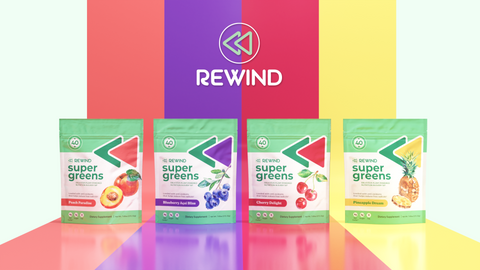
Cherry Delight
$39.99
Pineapple Dream
$39.99
Blueberry Acai Bliss
$39.99


