

Vitamin D is often called the sunshine vitamin, and for good reason. Your skin makes it when sunlight hits it. In the summer, many people make plenty without even thinking about it. But as fall arrives and the days get shorter and darker, something changes. In much of the United States, the winter sun is simply not strong enough for your skin to make vitamin D at all.
That makes fall the perfect time to think about your vitamin D. It plays an important part in keeping your bones and muscles strong and helps your body's defenses work the way they should. Many Americans already run low, and winter makes it worse. This guide explains why vitamin D drops in the colder months, who is most at risk, how to get more from food and other sources, and when to talk to your doctor. You will also learn how a daily super greens drink works alongside vitamin D, and what it does not provide.
Vitamin D helps your body absorb calcium from the food you eat. Without enough vitamin D, you can eat plenty of calcium-rich foods and still not absorb much of it. That is why vitamin D is so important for strong bones and teeth. Vitamin D also helps your muscles work properly and plays a part in how your body fights off germs. Scientists are still studying its other possible roles in health.
Mild shortfalls often have no clear symptoms. Over time, low vitamin D can weaken bones and make them more likely to break. Some people with low levels notice tiredness, muscle weakness, or aches. In children, severe shortage can cause soft, bent bones. Because the signs are often hard to notice, many people do not know their levels are low until they get a blood test.
When a certain kind of sunlight, called UVB light, hits your bare skin, your skin starts making vitamin D. But UVB light has to pass through a lot of the atmosphere to reach you. In summer, the sun is high in the sky, so plenty of UVB gets through. In winter, the sun sits lower, and its light travels through more air at an angle. Much of the UVB gets filtered out before it reaches the ground.
In many places, not much at all. A well-known study tested winter sunlight in different cities. In Boston, the winter sun was not strong enough to make vitamin D in the skin from November through February. In Edmonton, Canada, which is farther north, that stretch lasted even longer, from October through March. In sunnier, more southern places like Los Angeles and Puerto Rico, the skin could still make vitamin D in the middle of winter. Scientists sometimes call these dark months the vitamin D winter.
So if you live in the northern half of the United States, the sunshine you get on a cold, clear November afternoon may not help your vitamin D levels much, even if you spend time outside. Your body relies on the vitamin D it stored over the summer, plus what you get from food and supplements.
Spending most of the day indoors is a big one. Wearing sunscreen, which is important for protecting your skin, also blocks much of the UVB light that makes vitamin D. Bundling up in coats, hats, and gloves leaves little skin exposed. Air pollution can filter out some UVB too. And as we age, our skin becomes less able to make vitamin D, even with the same amount of sun.
Very common. A large national study found that about 4 in 10 American adults had vitamin D levels below the level health experts consider healthy. Low levels were even more common in people with darker skin. Darker skin has more natural pigment, which protects against sun damage but also slows down how much vitamin D the skin makes from the same amount of sunlight.
Older adults, people who spend most of their time indoors, people who cover most of their skin when outside, people living in northern states, and people carrying extra body weight are more likely to run low. Some health conditions and medicines can also affect how the body absorbs or uses vitamin D. Night shift workers and people who rarely get outside during daylight hours are at higher risk too.
Not many foods naturally contain much vitamin D, which is why it can be hard to get enough from food alone. The best natural sources are fatty fish like salmon, trout, sardines, and mackerel. Egg yolks have a small amount. Some mushrooms that have been exposed to UV light contain vitamin D too. Many foods have vitamin D added, including most milk, some plant milks, some orange juice, some yogurts, and some breakfast cereals. Check the label to see how much is in each serving.
The general guideline for most adults up to age 70 is 600 IU a day. For adults over 70, it is 800 IU a day. Some people with low levels may need more, but taking very large amounts without medical advice is not a good idea, since too much vitamin D can cause problems. Your doctor can help you decide on the right amount for you.
Many people find it hard to get enough vitamin D from food alone, especially in fall and winter. A supplement can help fill the gap. Before you start, talk to your doctor. They may suggest a simple blood test to check your level. This helps you know whether you need a supplement and how much to take.
In spring, summer, and early fall, a little time outside in the middle of the day can help your skin make vitamin D. But protecting your skin from too much sun is important to lower the risk of skin damage and skin cancer. Balance is key. Many health experts recommend getting vitamin D from food and supplements rather than relying on extra sun.
Vitamin D works as part of a team. Calcium is its main partner for strong bones. Magnesium helps your body use vitamin D properly. Without enough magnesium, vitamin D cannot do its job as well. Vitamin K from leafy greens helps direct calcium into your bones. Vitamin C helps build the flexible framework inside your bones.
To be clear, the Rewind Greens formula is not a source of vitamin D. You still need food, sensible sun, or a supplement for that. But a daily super greens drink can support the rest of the team. Barley Grass Powder and Wheatgrass Powder bring magnesium. Spinach Leaf Powder and Organic Broccoli Powder bring leafy green nutrition. Acerola Extract brings vitamin C. Pair your morning greens with a vitamin D-rich breakfast, like eggs or fortified yogurt, and you are giving your bones a well-rounded start to the day.
Get outside during daylight hours when you can, even on cloudy days. Natural light helps set your body clock and can lift your mood, even when it does not help much with vitamin D. Stay active, since movement supports your bones, muscles, and mood. Keep up with balanced meals that include fruits, vegetables, whole grains, and protein. And keep a regular sleep schedule, which can be harder as the evenings get darker.
Research has characterized the prevalence of vitamin D deficiency in U.S. adults and the effects of latitude and season on cutaneous vitamin D synthesis.
Vitamin D helps your body absorb calcium, keeps your bones and muscles strong, and supports your body's defenses. In fall and winter, the sun in much of the United States is too weak for your skin to make it, and many Americans are already running low. People with darker skin, older adults, and those who spend most of their time indoors are at higher risk.
Eat vitamin D-rich foods like fatty fish, eggs, and fortified milk or yogurt. Talk to your doctor about a blood test and whether a supplement makes sense for you. Support vitamin D's teammates, like magnesium, vitamin K, and vitamin C, with plenty of leafy greens and your daily super greens drink. With a little planning, you can keep your body strong through the darkest months of the year.
No. The Rewind Greens formula is made from plant ingredients and is not a source of vitamin D. It does provide magnesium, vitamin C, and leafy green nutrition that work alongside vitamin D. For vitamin D itself, rely on fortified foods, fatty fish, sensible sun in warmer months, or a supplement your doctor recommends.
Not really. Most window glass blocks the UVB light your skin needs to make vitamin D. You may feel the warmth, but your skin will not make much vitamin D indoors.
The only way to know for sure is a simple blood test. Ask your doctor if a test makes sense for you, especially if you have risk factors like darker skin, older age, limited time outdoors, or certain health conditions.
Yes. Taking very high doses for a long time can lead to too much calcium in the blood, which can cause nausea, weakness, and kidney problems. Stick to the amount your doctor recommends and do not take extra on your own.
Researchers are still studying the link between vitamin D and mood, and the results are mixed. Getting outside in daylight, staying active, connecting with others, and keeping a regular sleep schedule are helpful habits during darker months. If low mood lasts or makes daily life hard, talk to your doctor.
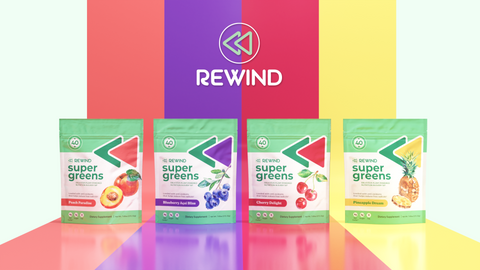
Cherry Delight
$39.99
Pineapple Dream
$39.99
Blueberry Acai Bliss
$39.99


