

As the temperature drops, many people notice the same thing. Their knees feel creaky when they get out of bed. Their fingers feel stiff on chilly mornings. Their hips or back ache a little more when the weather turns cold and damp. Some people even say they can tell rain is coming because their joints start to hurt.
Are achy joints in cold weather real, or is it all in our heads? Scientists are still sorting that out. But whatever the exact cause, there is a lot you can do to feel better. Staying active, keeping warm, and eating well all help your joints stay comfortable through fall and winter. This guide explains what we know about weather and joints, and gives you simple, practical steps to keep moving.
Many people with achy joints say the weather affects how they feel. In a large study of older adults with arthritis in six European countries, more than two thirds said they were sensitive to the weather. Those people also reported more joint pain than people who did not feel weather-sensitive. Cold, damp days are often the ones people blame most.
The research is mixed. Some studies have found that cold temperatures and high humidity seem to go along with more joint pain, especially when they happen together. Other large studies have not found a clear link between weather and joint pain flare-ups. Scientists think part of the answer may be that weather affects some people more than others. Weather may also change how much we move, which can affect how our joints feel.
Scientists have a few ideas. When you are cold, the muscles and tissues around your joints may tighten up, which can make movement feel stiff. Changes in air pressure before a storm might affect the tissues around sensitive joints. And in cold weather, most people move less. They stay indoors, sit more, and skip their usual walks. Joints that do not move much tend to get stiffer. That last reason is one you can do something about.
A joint is where two bones meet, like your knee, hip, or knuckle. The ends of the bones are covered with a smooth, rubbery cushion called cartilage. It lets the bones glide past each other without rubbing. The whole joint is wrapped in a capsule filled with a slippery fluid that works like oil in a machine. Muscles, tendons, and ligaments around the joint hold it steady and help it move.
Cartilage does not have its own blood supply. Instead, it gets its food and moisture from the joint fluid around it. When you move, the joint squeezes and releases, almost like a sponge. That movement helps push fresh fluid in and out of the cartilage. That is why joints often feel better after you get moving and worse after sitting still for a long time. Movement truly feeds your joints.
Yes. It may sound backward, but research strongly supports exercise for people with achy joints. A large review of many studies on people with knee arthritis found that exercise likely improves pain, the ability to do daily activities, and quality of life, at least in the short term. Different types of exercise all seemed to help, so the best exercise is the one you will actually do.
Low-impact activities are great choices because they move your joints without pounding on them. Try walking, swimming, water aerobics, cycling, or using an elliptical machine. Strength training, using light weights, resistance bands, or your own body weight, builds the muscles that support and protect your joints. Strong thigh muscles, for example, take pressure off your knees. Gentle stretching, yoga, and tai chi help keep joints flexible and improve balance.
Warm up before you start. Spend 5 to 10 minutes moving gently, like marching in place, rolling your shoulders, and making slow circles with your ankles and wrists. This gets blood flowing and helps your joints feel looser. Dress in layers outdoors. On very cold or icy days, move your workout indoors. A warm pool is especially good for stiff joints, because the water supports your body and the warmth helps muscles relax.
Dress in layers and keep your hands, knees, and feet warm. Gloves can help stiff fingers. A warm shower or bath in the morning can loosen up stiff joints before your day begins. A heating pad or warm compress on an achy joint for 15 to 20 minutes can bring relief. Keep your home at a comfortable temperature, and wear warm socks and slippers.
When joints sit still, they stiffen up. If you are at a desk or watching TV, get up and move for a few minutes every 30 minutes. Stretch your legs, roll your shoulders, and bend and straighten your knees. Short, frequent movement breaks help your joints stay loose all day.
Yes, especially for the knees and hips. Every extra pound of body weight adds extra pressure on your knees with each step. For people carrying extra weight, even a small amount of weight loss can take a lot of stress off sore joints. Healthy eating and regular activity help with this over time.
What you eat can support your joints in several ways. Eating plenty of fruits, vegetables, whole grains, beans, nuts, olive oil, and fish is a pattern many experts recommend for overall health, including joint health. Highly processed foods, sugary drinks, and lots of fried food tend to work against you. Staying hydrated helps too, since cartilage and joint fluid are made mostly of water.
Vitamin C helps your body build and repair the tough, stretchy material in cartilage, tendons, and ligaments. Acerola Extract in Rewind Greens is one of the richest natural sources of vitamin C. Vitamin D supports strong bones around your joints, and many people run low on it in fall and winter, when there is less sun. Ask your doctor whether you should take a vitamin D supplement. Magnesium from Barley Grass Powder and Wheatgrass Powder helps your muscles relax, which can ease tightness around stiff joints. Fatty fish like salmon and sardines bring healthy fats that many people find helpful as well.
Many colorful plants contain natural compounds that act as protectors for your cells and may help support your body's calm, balanced response to everyday wear and tear. Quercetin Dihydrate, found in apples and onions, is one of the most studied. Green Tea Extract, Grapeseed Extract, Blueberry Powder, and Bilberry Fruit Extract bring more of these plant protectors. A daily greens drink is an easy way to get a wide mix of them every morning.
Mild stiffness that eases as you move is common, especially with age and in cold weather. But see a doctor if a joint is red, hot, or very swollen, if pain comes on suddenly or is severe, if you cannot put weight on a joint, if stiffness lasts more than an hour every morning, or if you also have a fever. These can be signs of a condition that needs proper diagnosis and care. A doctor or physical therapist can also help you build a safe exercise plan.
Research on meteorological factors and joint symptoms has produced mixed findings, while evidence for exercise in osteoarthritis management is more consistent.
Many people feel stiffer and achier when the weather turns cold. Research on why is still mixed, but one thing is clear: moving less makes joints feel worse, and staying active helps. Exercise, especially low-impact activities and strength training, is one of the best tools for keeping joints comfortable.
Warm up before you move, dress in layers, take breaks from sitting, and use heat to ease stiffness. Support your joints from the inside with colorful fruits and vegetables, plenty of water, and a daily greens drink with Acerola for vitamin C, grasses for magnesium, and a mix of plant protectors like Quercetin, Green Tea Extract, and berries. And talk to your doctor if your joints are red, hot, swollen, or suddenly painful. Keep moving, and your joints will thank you all season long.
Many people say they can, and some studies support a link between weather changes and joint pain in certain people. Other studies have not found a clear connection. Weather may affect some people more than others. Either way, your experience is real, and staying active and warm can help.
For everyday stiffness, gentle movement usually helps more than rest. Movement helps feed your cartilage and loosen tight muscles. If a joint is suddenly very painful, red, hot, or swollen, rest it and see a doctor.
Heat is usually best for stiffness, because it relaxes muscles and improves comfort. Try a warm shower, bath, or heating pad. Cold packs are often better for fresh injuries or swelling. Do not use either directly on the skin, and limit sessions to about 15 to 20 minutes.
No supplement can fix joint pain on its own. A greens drink adds nutrients like vitamin C and magnesium, plus a variety of plant compounds, that support your overall health as part of a balanced routine. Exercise, a healthy weight, and medical care when needed do the heavy lifting.
Walking, swimming, cycling, and strength exercises for your thigh muscles are all great choices. Research suggests different types of exercise work about equally well, so pick one you enjoy and can keep doing. A physical therapist can show you safe moves for your specific needs.


Cherry Delight
$39.99

Pineapple Dream
$39.99
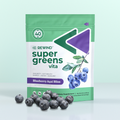
Blueberry Acai Bliss
$39.99


