

Vegan and plant-based diets represent some of the most health-forward, environmentally conscious choices available, and the research supporting their benefits for cardiovascular health, weight management, and reduction of chronic disease risk is substantial and growing. But the same research base that documents these benefits is equally clear about their limitations: plant-based diets, without deliberate nutritional strategy, consistently fall short on a specific cluster of nutrients that are either absent from plant foods, present in low amounts, or present in forms with poor bioavailability compared to their animal-food counterparts.
This is not a critique of vegan or plant-based eating. It is the nutritional reality that anyone following these dietary patterns deserves to understand clearly, so they can address their gaps strategically rather than discovering deficiencies only when health consequences appear. A well-formulated daily super greens drink, with its concentration of Spirulina, Nori Seaweed, diverse plant extracts, and comprehensive plant micronutrients, addresses several of the most clinically significant nutrient gaps of plant-based diets in a single daily serving that works alongside, not instead of, thoughtful plant-based food choices.
Systematic reviews and population studies of vegan dietary intake have identified a consistent cluster of nutrient inadequacies that recur across different populations, countries, and eating styles within the vegan category. These are not edge cases or the result of careless eating. They reflect genuine structural limitations of plant-based food systems that make certain nutrients difficult to obtain in sufficient quantities without deliberate supplementation or enriched food strategies.
Vitamin B12 is the most critical and the most absolute: it does not occur in meaningful amounts in any unfortified plant food, and its deficiency produces irreversible neurological damage if allowed to progress over years. Iron from plant foods is non-heme iron, which is absorbed at 5 to 12 percent efficiency compared to 15 to 35 percent for heme iron from animal foods, and is further reduced by phytates and tannins present in many plant foods. Zinc from plant foods is similarly impaired in bioavailability by phytate binding. Iodine is almost entirely absent from land-grown plant foods, with only sea vegetables providing meaningful amounts. Calcium requires deliberate attention without dairy. And long-chain omega-3 fatty acids EPA and DHA are almost entirely absent from plant foods, with only the conversion of ALA from flaxseed and walnuts providing indirect access, at typically low conversion efficiency.
Plants contain antinutrient compounds including phytates, oxalates, and tannins that form insoluble complexes with minerals and reduce their absorption in the digestive tract. These antinutrients evolved as plant defenses against predation and have genuine effects on mineral bioavailability, particularly for iron and zinc. Research has documented that the iron bioavailability from plant foods is consistently 2 to 5 times lower than from animal foods when measured in absorption studies, and that zinc absorption from plant foods is similarly impaired by phytate binding.
This bioavailability gap is recognized in clinical nutrition guidelines, which recommend that vegans consume 1.5 to 2 times the standard recommended intake for iron and zinc compared to omnivores, to achieve equivalent net mineral absorption. This higher intake requirement makes achieving optimal mineral status on a vegan diet more challenging and makes mineral-dense plant food sources, including sea vegetables and Spirulina, particularly valuable as concentrated plant mineral sources with lower phytate interference.
Spirulina is one of the most mineral-dense plant food sources available, providing iron, zinc, magnesium, and calcium alongside its remarkable protein content. As a microalgae rather than a land plant, Spirulina contains lower phytate levels than most plant foods, making its mineral content somewhat more bioavailable than minerals from high-phytate plant foods. Research has found that Spirulina iron is bioavailable in animal models and in some human studies, though the phytate issue remains partially relevant even for algae-based minerals.
Importantly, the Acerola Vitamin C in a greens formula, when consumed alongside Spirulina's iron, provides the absorption-enhancing effect that Vitamin C has on non-heme iron specifically. Vitamin C converts ferric iron to the ferrous form absorbed by intestinal transporters and forms absorbable iron-ascorbate complexes that improve net iron absorption by up to 3-fold. A greens drink containing both Spirulina iron and Acerola Vitamin C delivers this absorption-enhancing combination that any plant-based iron intake benefits from, making the greens drink more than the sum of its individual iron and Vitamin C contributions.
Nori Seaweed is one of the few plant sources of meaningful iodine, the mineral most critically missing from land-grown plant foods. The thyroid gland requires iodine for the synthesis of thyroid hormones that regulate metabolic rate, energy production, growth, and neurological development. Iodine deficiency, which affects approximately 1 in 3 people globally, produces hypothyroidism, goiter, and in severe cases impairs cognitive development. For vegans who avoid iodized salt and dairy products (a significant source of iodine in omnivore diets through fortified dairy), iodine inadequacy is a well-documented risk.
Nori also contains Vitamin B12 in forms that have been documented to have bioactivity in humans, unlike most algae B12 which is predominantly the pseudovitamin form. While Nori B12 should not be relied upon as the primary B12 source for vegans without confirmed status monitoring, it provides a plant-derived B12 contribution that aligns with the greens formula's function as a comprehensive plant micronutrient supplement rather than a single-nutrient intervention.
The antioxidant network of a greens formula provides plant-based antioxidant capacity that omnivore diets often get from a broader range of foods but that vegan diets, with their heavy focus on specific plant categories, may still miss in certain flavonoid and polyphenol classes. Resveratrol from grape compounds, Lutein from Marigold Flower extract, Grapeseed Extract proanthocyanidins, and the specific polyphenol profiles of Bilberry and Blueberry, each contribute distinct antioxidant mechanisms not necessarily achieved through a plant-based diet focused on common vegetables and fruits. The greens formula's role for vegans is therefore not only to close mineral and vitamin gaps but to expand the plant compound diversity that even a careful vegan diet may not automatically achieve.
A greens formula functions as one tier of a comprehensive vegan nutritional strategy rather than a standalone solution. The most critical single intervention for vegans is a dedicated Vitamin B12 supplement, typically cyanocobalamin or methylcobalamin, taken regularly and at adequate doses, because the neurological consequences of B12 deficiency make this non-negotiable and because greens formula B12 from Nori and Spirulina should not be relied upon as the primary source without monitoring. Beyond B12, a greens formula contributes meaningfully to the mineral, antioxidant, and plant micronutrient dimensions of vegan nutrition.
Long-chain omega-3 fatty acids EPA and DHA remain largely unaddressed by a greens formula and are best supplemented through algae-derived omega-3 oil, the vegan source of DHA and EPA that bypasses the low conversion rate from ALA. Vitamin D3 (from lichen) and calcium from fortified foods or supplements address the bone health dimension that plant-based diets require deliberate attention to maintain. A complete vegan nutritional strategy uses a greens formula alongside, not instead of, these other targeted supplementation choices.
The nutritional literature on plant-based diet adequacy is extensive and clear about both the benefits and the consistent gaps that require nutritional attention.
A plant-based or vegan diet is a genuinely health-promoting dietary pattern with meaningful benefits for cardiovascular health, metabolic function, and chronic disease risk reduction. Pursuing it well means understanding its limitations with the same clarity as its benefits. The nutritional gaps of plant-based diets are not failures of the dietary philosophy. They are structural features of plant food systems that can be addressed with deliberate, evidence-informed strategy.
A daily greens drink contributes Spirulina iron and zinc alongside Acerola Vitamin C for absorption enhancement, Nori Seaweed iodine and B12, magnesium from grass powders, and a plant compound diversity that even careful vegan food choices may not fully achieve. It works best as part of a complete vegan nutritional approach that includes dedicated B12 supplementation and attention to the other nutrients that plant foods consistently provide in insufficient or poorly absorbed amounts. Eat plants. Eat them well. And use every nutritional tool available to make sure your plant-based eating is as complete as it is committed.
No. The B12 from Nori Seaweed and Spirulina in a greens formula should not be relied upon as the sole or primary B12 source for vegans. A dedicated methylcobalamin or cyanocobalamin supplement in adequate doses is the evidence-supported primary B12 strategy for plant-based eaters. The B12 content of greens formula sea vegetable ingredients is a supplementary contribution, not a replacement for dedicated B12 supplementation. Vegans should have B12 status tested periodically to confirm that their supplementation strategy is adequate.
Yes. The enhancement of non-heme iron absorption by Vitamin C is one of the most robustly documented nutrient-interaction effects in the nutritional sciences. Vitamin C reduces ferric iron to ferrous iron, the form absorbed by intestinal DMT-1 transporters, and forms absorbable ascorbate-iron complexes that pass through the gut wall more efficiently than iron alone. Studies have found up to 3-fold increases in non-heme iron absorption when Vitamin C is consumed simultaneously with plant iron sources. Taking a greens drink that contains both Spirulina iron and Acerola Vitamin C in the same serving provides this absorption-enhancing pairing automatically.
The iodine content of sea vegetables including Nori can vary depending on the growing region and harvest conditions. This variability makes sea vegetable iodine a meaningful contribution but an unreliable primary iodine source for vegans who require consistent daily iodine intake for thyroid function. For vegans concerned about iodine status, iodized salt or a dedicated iodine supplement provides more consistent dosing than relying on sea vegetable content alone. Regular thyroid function monitoring is worthwhile for anyone following a strict vegan diet without reliable iodine sources.
Long-chain omega-3 fatty acids EPA and DHA are not present in plant-based greens formulas and require a dedicated algae-derived omega-3 supplement for vegans. Vitamin D3 is also typically not present in plant-based greens formulas or is present only as the less potent D2 form. Calcium from a greens formula is a modest contribution that does not replace the dedicated calcium strategy that plant-based eaters need for bone health. These gaps require supplementation approaches separate from a greens formula.
Yes. Soaking and cooking legumes and grains reduces their phytate content substantially, which improves the absorption of the iron, zinc, and calcium they contain. Fermentation reduces phytate content even further. These preparation methods do not close the mineral gap entirely but meaningfully narrow it. Combining mineral-rich plant foods with Vitamin C sources during the same meal provides the non-heme iron absorption enhancement that reduces the practical impact of the lower plant iron bioavailability. A greens drink taken alongside or at the same meal as iron-containing plant foods provides both mineral concentration and the Vitamin C absorption enhancement simultaneously.
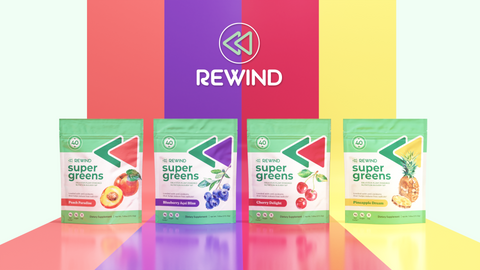
Cherry Delight
$39.99
Pineapple Dream
$39.99
Blueberry Acai Bliss
$39.99


