

Attention-deficit/hyperactivity disorder affects an estimated 5 to 9 percent of children and 2 to 5 percent of adults globally, making it one of the most common neurodevelopmental conditions. It is characterized by persistent patterns of inattention, impulsivity, and in some presentations hyperactivity that are inconsistent with the individual's developmental level and that impair function across multiple life domains. ADHD has a well-established neurobiological basis in reduced dopamine and norepinephrine signaling in the prefrontal cortex, genetic contributions to its heritability, and effective pharmacological treatments that most people with the diagnosis benefit from.
This blog is about the nutritional dimension of ADHD, not its medical management. It does not claim that plant nutrition treats ADHD or replaces medical care. What it covers, carefully and with appropriate nuance from the research literature, is the well-documented association between specific micronutrient insufficiencies and ADHD symptom severity, the evidence for nutritional support as a complementary element of a comprehensive ADHD management approach, and how the ingredients in a daily greens formula address the micronutrient gaps most consistently found in ADHD populations. For anyone managing ADHD personally or in their family, this nutritional dimension deserves understanding.
Sustained attention and executive function, the cognitive capacities most impaired in ADHD, are primary functions of the prefrontal cortex and its dopaminergic and noradrenergic projections. These circuits depend on consistent precursor availability and cofactor support for the synthesis and metabolism of dopamine and norepinephrine. Tyrosine, the amino acid precursor to both neurotransmitters, requires Vitamin B6 as a cofactor for its conversion to L-DOPA and subsequently to dopamine. Iron is a required cofactor for tyrosine hydroxylase, the rate-limiting enzyme in the dopamine synthesis pathway. And zinc regulates dopamine release and reuptake at synaptic terminals, influencing the dopamine tone in prefrontal circuits that determines attentional capacity.
Magnesium operates through a different but equally relevant pathway: it moderates the NMDA glutamate receptor that when overactivated contributes to the neural noise, mental restlessness, and difficulty filtering irrelevant stimuli that make sustained attention challenging. When magnesium status is suboptimal, NMDA receptor activity is less modulated, contributing to the type of neural hyperexcitability that ADHD involves. Research has found that magnesium deficiency occurs at significantly higher rates in ADHD populations than in controls, and that correcting deficiency with magnesium supplementation reduces some ADHD symptom measures in children with documented deficiency.
Research on mineral status in ADHD has produced consistent and striking findings. Multiple studies have found that serum magnesium, zinc, and iron are lower in ADHD populations than in matched controls, and that the severity of ADHD symptoms correlates with the degree of these deficiencies. A comprehensive review of magnesium, iron, zinc, copper, and selenium status in ADHD found that reduced blood levels of magnesium, zinc, and iron are consistently reported across studies, with magnesium deficiency particularly prevalent. The correlation between magnesium status and ADHD symptom severity scores is among the most robust nutritional associations in ADHD research.
A more recent study examining nutritional status in both children and adults with ADHD and neurodivergence found that a range of nutrient insufficiencies in zinc, B vitamins, and magnesium were common, and that specific nutritional measures correlated significantly with symptom severity scores. For example, the study found that red blood cell magnesium levels were negatively correlated with behavioral problem scores, and that lower magnesium levels were associated with greater overall ADHD symptom severity. These are not incidental findings. They suggest that the nutritional environment of the ADHD brain, particularly its mineral status, is a meaningful and modifiable contributor to how symptom severity is expressed day to day.
Spirulina is the most nutritionally comprehensive single ingredient in a greens formula for ADHD-relevant micronutrient gaps. Its iron provides the cofactor for tyrosine hydroxylase, the enzyme that rate-limits dopamine synthesis. Its zinc content addresses the mineral most consistently found deficient in ADHD populations and most directly relevant to dopamine release regulation. Its comprehensive B-vitamin complex includes B6, the cofactor for dopamine and norepinephrine synthesis from their amino acid precursors, and B12, required for the methylation reactions that regulate dopamine receptor expression and neurotransmitter metabolite clearance. And its protein content provides the tyrosine and phenylalanine amino acid precursors that the catecholamine synthesis pathways require.
For children and adults with ADHD whose nutritional status shows the mineral gaps most consistently documented in the research, a daily greens drink containing Spirulina provides a food-matrix concentrated source of precisely the minerals that their nutritional profiles most commonly show as insufficient. This is not a treatment for ADHD. It is nutritional gap-filling that addresses the micronutrient dimensions of ADHD biology that pharmaceutical management alone does not target.
Magnesium's relevance to ADHD is increasingly recognized in the nutritional ADHD literature. Beyond its NMDA receptor modulation that reduces neural hyperexcitability, magnesium supports GABA receptor function, providing the inhibitory neurotransmitter tone that helps quiet the mental noise and impulsivity that ADHD involves. Research on magnesium supplementation in children with ADHD and documented magnesium deficiency has found reductions in hyperactivity scores and improved behavioral measures at doses correcting the deficiency, with effects that develop over weeks of consistent supplementation.
The magnesium from Barley Grass Powder and Wheatgrass Powder in a greens formula provides a daily food-matrix magnesium contribution that, consistently delivered over weeks and months, addresses the magnesium gap in a nutritionally safe and gentle form. Food-matrix magnesium from plant sources also has some inherent advantages over high-dose isolated magnesium supplements in terms of gastrointestinal tolerance, making the greens formula approach accessible even for the children and adults who find high-dose magnesium supplements difficult to tolerate.
Ginkgo Biloba has been specifically studied in ADHD contexts, and some research suggests benefits for attention and cognitive performance in ADHD populations, possibly through its effects on cerebral blood flow to the prefrontal cortex and its influence on dopamine metabolism in prefrontal regions. A systematic review of dietary interventions and supplements for ADHD management identified Ginkgo biloba among the natural compounds with promising neuroprotective and attention-supportive effects. Its mechanism, improving cerebral blood flow and supporting prefrontal dopaminergic function, is mechanistically coherent with ADHD neurophysiology and distinct from the mechanisms of pharmaceutical ADHD treatments.
The nutritional research on ADHD and micronutrient status has produced increasingly consistent evidence for the importance of mineral adequacy and the potential for nutritional support as part of comprehensive ADHD management.
ADHD is a complex neurodevelopmental condition with robust pharmacological treatments that most people with the diagnosis benefit from significantly. The nutritional dimension of ADHD is real, evidence-grounded, and meaningfully complementary to, but not a substitute for, medical management. The micronutrient gaps most consistently documented in ADHD populations, including magnesium, zinc, and iron, have mechanistic connections to the neurotransmitter systems and neural processes that ADHD involves. Addressing these gaps through daily plant nutrition is a supportive, nutritionally safe approach to the nutritional underpinning of ADHD biology.
A daily greens drink provides Spirulina's iron for dopamine synthesis cofactor support, zinc for dopamine release regulation, and comprehensive B vitamins for neurotransmitter pathway support. Barley Grass and Wheatgrass magnesium for NMDA and GABA receptor modulation. Ginkgo Biloba for cerebral blood flow to prefrontal attentional circuits. None of this replaces the medical care that ADHD management requires. All of it supports the nutritional foundation that the ADHD brain, like every brain, depends on.
Yes. Disclosing all supplements to any prescribing physician is good medical practice. Some nutrients including Vitamin C and magnesium can interact with certain medications at high supplement doses, and your physician's full picture of your nutritional supplementation helps them make the best decisions about your care. A food-based greens supplement at typical serving sizes has minimal interaction risk, but disclosure remains appropriate and respectful of your prescriber's role.
This is a question for the child's pediatrician or the physician managing their ADHD. Most greens formulas are designed for adults, and dosing and safety profiles for children should be discussed with a healthcare provider who knows the child's specific situation, nutritional status, and medication regimen.
The nutritional mechanisms through which mineral supplementation may reduce some ADHD symptom severity, magnesium NMDA and GABA modulation, zinc dopamine regulation, B-vitamin neurotransmitter synthesis support, all require consistent daily intake over weeks to months to produce meaningful changes in nutritional status and the downstream neurological effects those nutrients support. Research studies of mineral supplementation in ADHD typically measure outcomes at 8 to 16 weeks, and this is an appropriate expectation window for nutritional support effects.
Research on mineral status and ADHD has been conducted in both children and adults, with consistent findings of magnesium, zinc, and iron insufficiency in both populations. Adult ADHD has historically received less nutritional research attention than childhood ADHD, but more recent studies including the 2025 review cited above have specifically examined adult neurodivergent populations and found similar patterns of nutritional insufficiency with similar correlations between mineral levels and symptom severity.
Yes. Chronic stress depletes magnesium through cortisol-driven urinary magnesium excretion, worsening the magnesium gap that ADHD populations already tend to show. Poor sleep impairs the overnight consolidation of attention-regulating prefrontal circuits and disrupts the dopamine receptor regulation that sleep normally maintains. The adaptogenic support from Siberian Ginseng and Astragalus Root in a greens formula, which moderates HPA axis stress reactivity over weeks of consistent use, addresses the stress-magnesium depletion dynamic that may worsen ADHD symptom expression during demanding life periods.
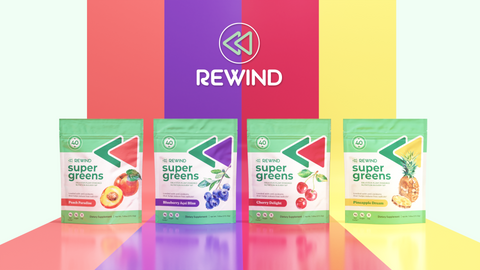
Cherry Delight
$39.99
Pineapple Dream
$39.99
Blueberry Acai Bliss
$39.99


