

The nervous system is the body's most complex and energy-demanding organ system. The brain alone consumes approximately 20 percent of the body's total energy supply despite comprising only 2 percent of its weight. This extraordinary metabolic demand makes the nervous system particularly sensitive to nutritional status, oxidative stress, and inflammatory burden, and particularly responsive to the nutritional inputs that support its structural integrity, energy metabolism, and antioxidant defense.
Neurological health is often thought of in terms of dramatic conditions, Alzheimer's disease, Parkinson's disease, multiple sclerosis, stroke. But the everyday dimensions of neurological wellbeing, sharp thinking, sustained focus, stable mood, adequate sleep, coordinated movement, and the absence of the fatigue and brain fog that signal a nervous system under stress, are equally determined by the nutritional environment the brain and peripheral nerves receive daily. Plant polyphenols, B vitamins, and magnesium, all delivered in a daily greens formula, address the neurological system's most consistent nutritional needs through mechanisms that research increasingly confirms as genuinely brain-protective.
The nervous system's nutritional requirements cluster around three primary areas: energy and cofactors for cellular metabolism, antioxidant protection against the high oxidative burden generated by the brain's intense metabolic activity, and anti-inflammatory support for the glial cells and neurons that are acutely sensitive to inflammatory disruption of their function. Each of these areas has specific plant-derived nutritional support from the ingredients in a greens formula.
B vitamins are among the most critically important neurological nutrients. Vitamin B12 from Spirulina's Nori Seaweed component is required for myelin synthesis, the fatty sheath that insulates nerve fibers and enables the rapid, efficient conduction of nerve impulses. B12 deficiency produces the progressive peripheral neuropathy and central nervous system degeneration that accompany its chronic insufficiency. B6, also provided by Spirulina, is the cofactor for the synthesis of serotonin, dopamine, GABA, and norepinephrine, the neurotransmitters that regulate mood, motivation, sleep, and anxiety. And folate, the B vitamin required for DNA methylation and one-carbon metabolism throughout the nervous system, is provided by the leafy green ingredients including Spinach Leaf Powder and Barley Grass Powder.
Magnesium is one of the most underappreciated neurological nutrients in the American diet, and deficiency, which is common in modern eating patterns, produces neurological effects that range from muscle cramps and difficulty sleeping to anxiety, cognitive impairment, and increased migraine frequency. Magnesium regulates the NMDA glutamate receptor, the primary excitatory receptor in the central nervous system. When magnesium status is adequate, it occupies the NMDA receptor channel, preventing the excessive glutamate excitation that drives neuroinflammation, excitotoxicity, and the neural hyperexcitability associated with anxiety, seizure susceptibility, and noise sensitivity.
Magnesium also regulates GABA receptors, supporting the inhibitory neurotransmitter system that counterbalances glutamate excitation and is essential for relaxation, sleep architecture quality, and anxiety management. The consistent daily magnesium contribution from Barley Grass Powder and Wheatgrass Powder in a greens formula addresses the NMDA and GABA receptor regulation that the nervous system's excitatory-inhibitory balance depends on.
The blood-brain barrier, a specialized network of tightly joined endothelial cells and astrocyte processes that controls what enters the brain from circulation, is selective but not impermeable to plant polyphenols. Research has established that several important dietary polyphenols, including the anthocyanins from Blueberry and Bilberry, Quercetin metabolites, Resveratrol, and certain flavonoid metabolites from Green Tea Extract, can cross the blood-brain barrier in sufficient concentrations to produce measurable effects on neurological tissue.
Blueberry and Bilberry anthocyanins have among the best-documented blood-brain barrier penetration of any dietary polyphenol class. Research has found that blueberry supplementation produces measurable improvements in memory consolidation and cognitive performance in older adults, consistent with the anthocyanin effects on hippocampal neurogenesis, cerebral blood flow, and neuroinflammation that animal and mechanistic research documents. The consistent daily anthocyanin input from Blueberry Powder and Bilberry Fruit Extract in a greens formula represents one of the most practically accessible forms of daily neuroprotective plant nutrition available.
Neuroinflammation, the activation of microglia and astrocytes in inflammatory response patterns within the brain, is now recognized as a central mechanism in virtually every major neurodegenerative disease as well as in the subclinical cognitive dysfunction, brain fog, and mood disruption that many people experience without a specific diagnosis. Microglia, the brain's resident immune cells, shift from protective to destructive modes when chronically activated by oxidative stress, systemic inflammatory signals, or direct neural damage, releasing pro-inflammatory cytokines including TNF-alpha and IL-1 beta that damage neurons and impair synaptic function.
Plant polyphenols address microglial neuroinflammation through several convergent mechanisms. Quercetin Dihydrate and Green Tea Extract EGCG inhibit microglial NF-kB activation, reducing the inflammatory cytokine production that neuroinflammation drives. Resveratrol activates SIRT1 in neural tissue, reducing microglial inflammatory signaling and supporting the mitophagy that removes the dysfunctional mitochondria that are a primary source of the oxidative stress driving neuroinflammation. Spirulina phycocyanin specifically reduces TNF-alpha and IL-1 beta production in microglial cells, providing direct neuroinflammation-reducing activity at the cellular level. And Ginkgo Biloba Powder has documented effects on improving cerebral blood flow, which is essential for delivering both the oxygen and the plant polyphenol metabolites that brain tissue depends on.
Ginkgo biloba has the most extensive botanical research history of any plant compound used for cognitive support, with a well-established mechanism of improving cerebral and peripheral blood flow through platelet-activating factor inhibition and vasodilatory effects on cerebral microvessels. Research on Ginkgo biloba in cognitive function has found improvements in memory, attention, and processing speed in supplemented populations, particularly in contexts of mild cognitive impairment and age-related cognitive change. The mechanism is primarily vascular: improved cerebral blood flow delivers more oxygen and glucose to neurons and glial cells, and removes metabolic waste products more efficiently. This vascular support is foundational for the other neurological nutrition mechanisms to operate in the best possible tissue environment.
The methylation cycle, the biochemical network that transfers methyl groups between molecules throughout the body, is particularly critical for brain health because it underlies the regulation of neurotransmitter metabolism, gene expression in neural tissue, and the synthesis of myelin and phospholipids essential for nerve structure. The methylation cycle requires B12, folate, and B6 as essential cofactors, and when any of these is insufficient, methylation becomes impaired and its effects ripple through every methylation-dependent neurological process.
Inadequate methylation capacity in brain tissue is associated with elevated homocysteine, a methylation pathway intermediate that is neurotoxic at high concentrations, damaging cerebral blood vessels, promoting neuroinflammation, and impairing synaptic plasticity. Research has established that homocysteine levels above the optimal range are significantly associated with accelerated cognitive decline and increased dementia risk, and that B vitamin supplementation addressing B12, folate, and B6 deficiency measurably reduces homocysteine and is associated with slower brain atrophy in at-risk populations. The comprehensive B-vitamin complex from Spirulina and the leafy green ingredients in a greens formula supports the methylation cycle that both homocysteine metabolism and neurotransmitter synthesis depend on.
The neuroprotective evidence for plant polyphenols and the neurological importance of B vitamins and magnesium is well-established and rapidly expanding.
The nervous system is an extraordinarily demanding biological system that rewards consistent, comprehensive nutritional support. The B vitamins from Spirulina that drive neurotransmitter synthesis, myelin maintenance, and methylation cycle function. The magnesium from Barley Grass and Wheatgrass that maintains NMDA and GABA receptor function and prevents the neural hyperexcitability of magnesium insufficiency. The anthocyanins from Blueberry and Bilberry that cross the blood-brain barrier to reduce neuroinflammation and support hippocampal neurogenesis. The Ginkgo Biloba that improves the cerebral blood flow that delivers all of these nutrients to the neural tissue that depends on them. And the comprehensive anti-neuroinflammatory polyphenol network that reduces the microglial inflammatory activation underlying most major neurological conditions.
A daily greens drink is not a neurological treatment and makes no medical claims about any neurological condition. What it is, every day, is the most comprehensive plant-sourced neurological nutrition available in a single serving. Thirty seconds in the morning. For the system that makes every other system possible.
Brain fog has multiple potential causes including chronic inflammation, nutritional deficiencies, gut dysbiosis affecting the gut-brain axis, sleep disruption, and hormonal changes. A greens drink addresses several of these simultaneously: the B vitamins support neurotransmitter synthesis and methylation, the anti-inflammatory polyphenol network reduces the neuroinflammation most associated with cognitive fog, and the gut microbiome support from daily plant polyphenols addresses the gut-brain axis dimension of cognitive function. The effects accumulate over weeks of consistent daily use rather than providing immediate acute relief.
Ginkgo Biloba at clinical research doses has the most consistent evidence for modest improvements in blood flow-related cognitive parameters including attention and processing speed, particularly in populations with vascular cognitive impairment. The Ginkgo in a greens formula is at a food supplement rather than pharmaceutical dose, and its contribution to cognitive support operates as part of the comprehensive formula rather than as a standalone therapeutic agent. The cerebrovascular blood flow improvement from consistent Ginkgo intake works synergistically with the neuroprotective polyphenols and B vitamin neurotransmitter support of the full formula.
Magnesium supports GABA receptor function, the primary inhibitory neurotransmitter system whose activity reduces anxiety, and moderates NMDA glutamate receptor excitatory activity that contributes to anxious neural hyperexcitability. Research has documented lower magnesium status in people with anxiety disorders and improvements in anxiety measures with magnesium supplementation in deficient populations. The food-matrix magnesium from Barley Grass and Wheatgrass contributes to magnesium status over weeks of consistent daily intake, with gradually improving GABA and NMDA receptor regulation as the contribution builds.
Polyphenol absorption from a greens formula is variable and determined significantly by gut microbiome composition, as discussed in the bioavailability blog. However, research has confirmed that blueberry anthocyanins, Quercetin metabolites, and Resveratrol do cross the blood-brain barrier in concentrations sufficient to produce measurable neurological effects. The consistent daily polyphenol input from a greens formula over months of use, combined with the gut microbiome adaptation that improves polyphenol metabolite production, provides a meaningful daily dose of brain-accessible plant neuroprotective compounds.
Spirulina contains primarily pseudovitamin B12, a form that has reduced bioactivity compared to the methylcobalamin and adenosylcobalamin forms found in animal foods and many supplements. For this reason, people who rely entirely on Spirulina as their sole source of B12, particularly vegans who avoid all animal products, should not rely on Spirulina alone to meet their B12 requirements. The Nori Seaweed in the greens formula contains more bioavailable B12 forms. People with known B12 insufficiency or those avoiding all animal products should discuss B12 status with their healthcare provider and may benefit from a dedicated methylcobalamin supplement.
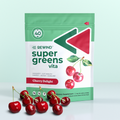
Cherry Delight
$39.99
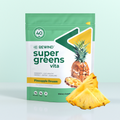
Pineapple Dream
$39.99
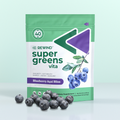
Blueberry Acai Bliss
$39.99


