

Most nutrition conversations exist in silos. Protein for muscle. Greens for vitamins. Supplements for gaps. In reality, optimal daily nutrition is not about any single category of intake. It is about how the different components of your diet work together, and whether the foundation you are building from is complete enough to support everything from energy production to cellular repair to immune resilience. Two of the most universally under-addressed elements of that foundation, for active and non-active adults alike, are adequate daily protein and consistent micronutrient intake from plant sources. Getting both right, and understanding how they work together, is one of the most practical and impactful nutritional moves available.
This blog explains why the protein-and-greens combination is not just a fitness trend but a genuine nutritional strategy, how the two components complement each other at the physiological level, and what a realistic daily stack looks like that provides both without requiring significant effort, expense, or dietary overhaul.
Most people associate protein with muscle building, and while that association is accurate, it dramatically undersells protein's role in daily physiology. Protein is the structural material for every cell in the body. Every enzyme that drives a metabolic reaction is a protein. Every antibody in your immune system is a protein. The hemoglobin carrying oxygen in your blood is a protein. The hormones regulating your appetite, stress response, and reproductive function are largely protein-derived. Hair, nails, skin, tendons, ligaments, and the connective tissue of every organ are all protein-based.
On a daily basis, the body continuously breaks down and rebuilds proteins through a process called protein turnover. Muscle protein synthesis, the ongoing cycle of muscle fiber repair and rebuilding, happens every day regardless of whether you exercise. The rate at which your body can perform this maintenance depends directly on the availability of dietary amino acids. When protein intake is insufficient, the body pulls amino acids from muscle tissue to meet its most urgent needs, resulting in the gradual loss of lean mass that is common in under-eating, aging, and low-protein vegetarian and vegan diets.
Here is where the greens-protein synergy becomes physiologically significant. Protein synthesis does not happen in isolation. Every step of the process, from DNA transcription to ribosomal assembly of amino acid chains to post-translational modification and folding of finished proteins, requires specific micronutrient cofactors. Zinc is required for the function of over 300 enzymes involved in protein metabolism. B vitamins, particularly B6 and folate, are direct cofactors in amino acid synthesis and the methylation processes that govern gene expression relevant to protein synthesis. Iron supports the oxygen delivery that fuels the cellular energy production that protein synthesis demands.
This means that someone consuming adequate protein but deficient in the micronutrients that protein synthesis requires is not getting the full benefit of their protein intake. The raw material is there, but the enzymatic machinery to use it optimally is running short on the cofactors it needs. A daily greens powder that provides these cofactors, particularly the zinc and iron from Spirulina and the B vitamins from the grass powders and algae, ensures that the protein you eat can be used as effectively as possible.
The most effective and sustainable way to build the protein-and-greens stack is to make both part of the same morning ritual. Your greens powder in a glass of cold water or blended into a smoothie alongside a protein-containing breakfast creates a complete nutritional foundation for the day before any of the demands, compromises, or time pressures of the day begin. Morning timing for both elements is optimal because the body is in a post-overnight-fast absorptive state, protein synthesis rates are naturally elevated in the morning, and taking your micronutrient support before the stress hormones and food choices of the day can erode it ensures the best absorption and the best start.
Protein sources that pair naturally with a greens drink include Greek yogurt, eggs, cottage cheese, a protein powder added directly to the greens smoothie, or a breakfast of whole foods with a documented protein content of at least 20 to 30 grams. The exact protein source matters less than the consistency of hitting meaningful protein intake first thing, before the day's unpredictability makes the morning meal the easiest one to skip or compromise.
From a muscle protein synthesis standpoint, complete proteins containing all nine essential amino acids in sufficient quantities drive the best outcomes, and animal proteins, particularly whey, eggs, meat, and dairy, have a well-documented advantage in this area due to their leucine content and amino acid bioavailability. Plant proteins can achieve similar results, but typically require higher total intake and careful combination to match the complete amino acid profile of animal sources. Regardless of the protein source, the micronutrient gaps that plant-based or mixed diets create, particularly in B12, iron, and zinc, make a comprehensive greens powder a particularly important daily addition for people who eat primarily plant proteins.
The protein-and-greens stack is often framed as a fitness strategy, but its value extends far beyond athletic performance. For anyone whose job involves mental rather than physical work, the cognitive performance implications are significant. Neurotransmitters, including serotonin, dopamine, GABA, and norepinephrine, are synthesized from amino acids derived from dietary protein. Without adequate protein, neurotransmitter production is rate-limited. Without the B vitamins that serve as cofactors in these synthesis pathways, the same limitation applies from the micronutrient side. Adequate protein intake plus consistent micronutrient support from a greens powder creates the biochemical conditions for sustained neurotransmitter production that underlies mood stability, motivation, and cognitive performance throughout the day.
Sarcopenia, the age-related loss of muscle mass and function, accelerates significantly after 50 and is one of the primary determinants of functional independence and quality of life in older age. Research consistently shows that higher protein intake, particularly at or above 1.2 grams per kilogram of body weight per day, significantly slows sarcopenic progression and maintains muscle strength and function in older adults compared to lower intake. The micronutrient support from a greens powder, particularly the Vitamin C from Acerola for collagen synthesis, the iron from Spirulina for oxygen delivery to muscle tissue, and the Astragalus for adaptogenic cellular resilience, makes the protein foundation more effective at the tissue level as the body ages.
The science behind protein adequacy and its synergy with micronutrient status for muscle health and overall function is well-established.
Protein and greens are not competing nutritional priorities. They are complementary foundations that each enable the other to work more effectively. Protein provides the structural and functional building blocks that every system in the body depends on. A comprehensive greens powder provides the micronutrient cofactors that allow those building blocks to be used optimally, the antioxidant protection that reduces the cellular damage that undermines structural integrity, and the adaptogenic support that keeps the body's stress response from cannibalizing the resources the protein needs to do its job.
Build the stack. Protein at breakfast, greens every morning. Consistent, simple, sustainable. It is the most nutritionally complete daily habit most people can build with minimum effort and maximum physiological return.
Yes, and this is one of the most convenient ways to combine both components. A greens powder blends well into protein shakes, particularly when the protein powder has a complementary flavor profile. The combined drink provides the complete amino acid foundation from the protein alongside the micronutrient cofactors, antioxidants, and adaptogens from the greens formula in a single morning serving.
Research supports a minimum of 0.8 grams per kilogram of body weight per day as the recommended dietary allowance, but growing evidence suggests that 1.0 to 1.2 grams per kilogram may be closer to optimal for most non-exercising adults, particularly those over 40. The higher end of this range supports better maintenance of lean mass, metabolic rate, and satiety throughout the day compared to the bare minimum recommendation.
Yes, some, primarily from Spirulina, which is approximately 60 to 70 percent protein by dry weight. However, the protein content of a typical greens powder serving is modest, typically 2 to 5 grams, and is not designed to replace dedicated protein intake. The protein contribution from Spirulina is a nutritional bonus alongside the iron, B vitamins, and phycocyanin antioxidants it primarily delivers, not a protein strategy in itself.
No. Taking both together is completely fine and, as discussed, produces beneficial synergies between the protein substrate and the micronutrient cofactors in the greens formula. The gut absorbs both simultaneously without meaningful interference, and combining them in the same morning session simplifies the habit and improves consistency.
Particularly well, in fact. Older adults face the dual challenge of increased protein needs for sarcopenia prevention and higher micronutrient demands due to declining gut absorption efficiency and increased oxidative and inflammatory burden. The combined daily protein-and-greens stack directly addresses both needs simultaneously, making it arguably the most age-appropriate daily nutritional foundation available outside of a clinically supervised program.
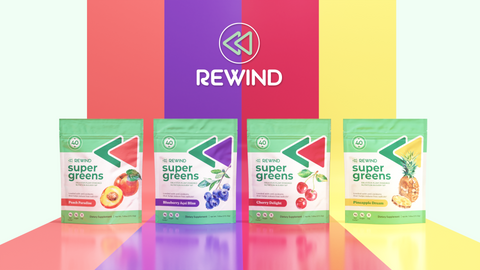
Cherry Delight
$39.99

Pineapple Dream
$39.99
Blueberry Acai Bliss
$39.99


