

Few topics in the wellness supplement world attract more overpromising than weight management. Greens powders, fat burners, metabolism boosters, detox teas. The marketing is breathless and the claims frequently outpace the evidence. If you have ever wondered whether a super greens powder can genuinely support your weight management goals, this blog gives you honest, research-based answers rather than the inflated promises that are common in this space.
The short version: a greens powder is not a weight loss supplement in the traditional marketing sense. It will not melt fat while you sleep. It will not override a caloric surplus. But it does address several genuine nutritional mechanisms that are directly relevant to weight management, satiety, metabolic efficiency, and the overall diet quality that determines long-term body composition outcomes. Understanding what those mechanisms actually are makes it possible to use a greens powder intelligently as part of a weight management strategy rather than expecting it to do something it was never designed to do.
No. There is no ingredient in a comprehensive greens powder that directly breaks down stored fat or meaningfully elevates metabolic rate in a way that produces clinically significant fat loss on its own. Claims to the contrary are not supported by the evidence at the doses found in typical greens formulas. Weight loss requires a sustained caloric deficit, meaning you consistently consume fewer calories than your body expends. A greens powder cannot create that deficit by itself.
What it can do is address several factors that make maintaining a caloric deficit easier and more sustainable. Micronutrient adequacy supports metabolic efficiency. Prebiotic fiber from Inulin and Apple Pectin may support satiety signaling. Green Tea Extract provides a modest metabolic and thermogenic contribution at relevant doses. And the overall improvement in diet quality that a daily greens habit tends to accompany, because people who take their greens daily tend to make slightly better food choices overall, represents a meaningful indirect contribution to the weight management picture.
Yes, and this is one of the most practically important and underappreciated connections in the weight management literature. Research has documented consistent associations between micronutrient deficiencies, particularly in magnesium, zinc, B vitamins, and iron, and impaired metabolic function, increased fat storage, and elevated appetite. The mechanisms are multiple. Magnesium deficiency impairs insulin sensitivity, making the body more prone to storing glucose as fat. Iron deficiency reduces oxygen delivery to muscles, impairing exercise capacity and lowering the energy cost of physical activity. B vitamin deficiencies slow the cellular energy pathways that determine metabolic rate.
Perhaps most practically relevant, micronutrient inadequacy impairs satiety regulation. Several micronutrients, particularly zinc and B vitamins, are involved in the production and regulation of leptin and other appetite-signaling hormones. When these hormones are not functioning optimally, the feedback signal that tells your brain you have eaten enough becomes less reliable. A well-nourished body with adequate micronutrient status manages hunger and satiety better than a depleted one, which is directly relevant to the caloric deficit management that weight loss requires.
Inulin is a soluble prebiotic fiber with well-documented effects on gut-derived appetite hormones. When Inulin is fermented by beneficial gut bacteria in the large intestine, it stimulates the production of short-chain fatty acids, particularly propionate and butyrate. Propionate in particular stimulates the release of satiety hormones including peptide YY and GLP-1 from cells in the gut lining. These hormones travel through the bloodstream to the brain and reduce appetite signals, contributing to a feeling of fullness and reduced overall food intake.
Research on inulin-type fructans has documented modest but consistent reductions in caloric intake and body weight in clinical trials, with the effects most pronounced in overweight individuals with higher baseline inflammatory and gut dysbiosis markers. The Inulin contribution in a greens powder is not a dramatic weight loss intervention, but it represents a genuine, mechanistically sound contribution to the gut-based satiety signaling that makes caloric management less effortful over time.
Apple Pectin is a soluble gel-forming fiber that slows the transit of food through the small intestine, extending the period during which nutrients are absorbed and prolonging the sense of post-meal fullness. It also forms a viscous gel in the gut that reduces the rate at which glucose enters the bloodstream, blunting post-meal blood glucose spikes and the subsequent insulin-driven hunger that follows rapid glucose rises. Over time, consistently blunted post-meal glucose responses are associated with lower overall caloric intake, better adherence to dietary goals, and more stable body weight in research populations.
Green Tea Extract contains catechins, particularly EGCG, alongside caffeine, and the combination has demonstrated thermogenic effects in human clinical trials. Research has found that Green Tea Extract can modestly increase energy expenditure by approximately 80 to 100 calories per day through sympathetic nervous system activation and fat oxidation. It has also shown consistent effects on reducing fat oxidation rates during exercise, meaning it may help shift the fuel source used during physical activity toward stored fat rather than glucose.
These effects are real, documented in multiple meta-analyses, and clinically meaningful over time. They are also modest in absolute terms. An extra 80 to 100 calories burned per day from Green Tea Extract is not a transformation on its own. But combined with the other metabolic support mechanisms in a greens formula, adequate micronutrition, fiber-based satiety, and the overall dietary quality improvement that daily greens habits tend to accompany, it contributes meaningfully to the weight management picture.
Research on the relationship between health supplement habits and dietary patterns has found a consistent pattern: people who take nutritional supplements, including greens powders, tend to have better overall dietary quality than non-supplement users. The causation likely runs in both directions. People who care about their nutrition are more likely to supplement, and having a daily supplement habit creates a nutritional mindset that tends to support better food choices throughout the day.
The practical implication is that a morning greens drink is often the first link in a behavioral chain that leads to slightly better eating throughout the day. Not perfectly, not always, and not as a rule without exception. But the person who takes 30 seconds to care for their nutrition at the start of the day is meaningfully more likely to make a food choice that supports their goals at lunchtime compared to the person who never establishes that morning nutritional intention.
The relationship between plant food intake, micronutrient status, and weight management is supported by a substantial body of clinical evidence.
A super greens powder is not a weight loss product. It is a micronutrient support product that, when used consistently as part of a thoughtful nutritional approach, addresses several of the genuine biological mechanisms that make weight management difficult: micronutrient deficiency, impaired metabolic efficiency, poor satiety signaling, and blood glucose instability. It does not override energy balance, and it should never be marketed or purchased as a substitute for the dietary and lifestyle changes that actually determine body composition outcomes.
Use it for what it does well. Daily nutritional foundation. Consistent micronutrient adequacy. Modest fiber and metabolic contributions. The behavioral anchor effect of a daily wellness habit. And let the direct work of weight management, caloric awareness, food quality, movement, and sleep, be managed through the approaches that evidence actually supports for those goals.
Not directly. A greens powder does not produce weight loss on its own. What it may do is support the metabolic efficiency, satiety signaling, and diet quality that make the actual dietary and lifestyle changes required for weight loss more effective and sustainable. Managing expectations here is important: a greens powder is a nutritional support tool, not a weight loss intervention.
Research confirms that Green Tea Extract containing EGCG and caffeine produces a modest thermogenic effect and may increase fat oxidation rates, particularly during exercise. The effect is real and consistent in meta-analyses, contributing approximately 80 to 100 additional calories expended per day in some studies. This is meaningful as a contribution to a broader weight management strategy but not transformative as a standalone intervention.
Inulin and Apple Pectin in a greens formula are soluble fibers that support weight management through gut-derived satiety hormone stimulation, slowed gastric emptying extending fullness after meals, and blunted post-meal blood glucose responses that reduce insulin-driven hunger. These effects make caloric management slightly easier and more physiologically comfortable over time with consistent daily use.
Taking it in a glass of water 15 to 30 minutes before your largest meal of the day may maximize the satiety-supporting effects of the soluble fiber and prebiotic components by beginning the gut-based fullness signaling before you start eating. Most people find the morning window most convenient and consistent, and the satiety benefits extend meaningfully into mid-morning and lunchtime from a morning dose.
Indirectly, yes. Many cravings, particularly sugar and salt cravings, are driven by micronutrient deficiencies and blood sugar instability. A greens powder that addresses mineral and B-vitamin status may reduce the frequency and intensity of nutrient-depletion-driven cravings over time. The prebiotic fiber from Inulin also supports the gut microbiome composition that research has linked to healthier appetite regulation and reduced cravings for high-sugar foods.
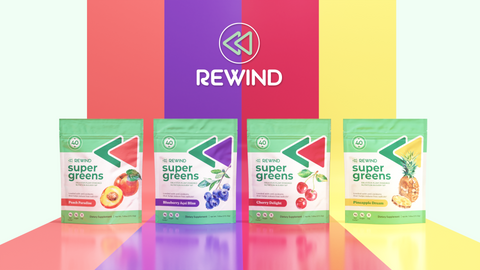
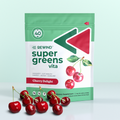
Cherry Delight
$39.99

Pineapple Dream
$39.99
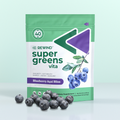
Blueberry Acai Bliss
$39.99


