

Inflammation is one of those words that has become so overused in wellness marketing that it is easy to lose sight of what it actually means and why it matters. Used correctly, it describes a specific and essential biological process. Used loosely, it becomes a catch-all explanation for every form of human discomfort. The truth about inflammation, and about what daily plant nutrition does for it, sits between the scientific reality and the marketing hype, and it is more interesting and more relevant to everyday health than either extreme tends to suggest.
This blog explains what chronic low-grade inflammation actually is, how it differs from the useful, protective inflammation your body needs, which specific compounds in a daily greens powder may influence inflammatory pathways, and what a realistic evidence-based expectation for plant-based anti-inflammatory support looks like in everyday life. No miracle claims. Just the real science of what consistent plant polyphenol intake does to the biology of inflammation over time.
Acute inflammation is the good kind. When you twist your ankle, your body floods the area with immune cells, increases blood flow, and produces swelling, redness, heat, and pain. This response is precisely calibrated to isolate damage, clear debris, fight infection, and initiate repair. It is essential, and suppressing it entirely would leave you unable to heal. Within days to weeks, the acute inflammatory response resolves and tissue returns to normal function.
Chronic low-grade inflammation is fundamentally different. It is not the dramatic, visible response of a sprained ankle. It is a state in which pro-inflammatory signaling molecules circulate at persistently elevated levels throughout the body without the clear trigger or the clear resolution of acute inflammation. CRP, IL-6, and TNF-alpha, the three most commonly measured inflammatory biomarkers, are the primary indicators of this chronic state. Elevated levels of these markers are associated in epidemiological research with cardiovascular disease, type 2 diabetes, metabolic syndrome, cognitive decline, autoimmune conditions, certain cancers, and accelerated aging. Chronic inflammation is not a disease itself. It is an underlying physiological condition that creates the environment in which many diseases develop more easily.
The major drivers of chronic inflammatory elevation are well-established in the research literature: ultra-processed food consumption, excess body fat particularly visceral adipose tissue, physical inactivity, chronic psychological stress, disrupted sleep, gut microbiome dysbiosis, smoking, and excessive alcohol use. Of these, diet is both one of the most powerful drivers and one of the most modifiable. A diet low in plant foods and high in processed foods, refined sugars, and industrial seed oils is consistently associated with elevated inflammatory markers. A diet high in plant foods, particularly those rich in polyphenols and antioxidants, is consistently associated with lower inflammatory biomarkers across populations and intervention studies.
NF-kB is a molecular switch inside cells that, when activated, drives the production of pro-inflammatory cytokines including IL-6, TNF-alpha, and COX-2. It is one of the central regulatory nodes of the inflammatory response, and its chronic low-level activation is considered a primary mechanism of inflammaging, the persistent inflammatory state associated with modern disease patterns. Many of the most potent anti-inflammatory plant compounds, including Quercetin Dihydrate, Resveratrol, EGCG from Green Tea Extract, and the polyphenols in Grapeseed Extract, have demonstrated NF-kB inhibitory activity in research, meaning they help keep this switch from staying chronically activated.
The mechanism is not pharmaceutical strength. A cup of green tea or a serving of greens powder does not produce the same NF-kB suppression as an anti-inflammatory drug. But consistent daily input of multiple plant polyphenols that each modestly suppress this pathway produces a cumulative effect over weeks and months that research has documented as measurable reductions in circulating inflammatory biomarkers in human subjects.
Quercetin is one of the most studied plant-based anti-inflammatory compounds. It inhibits both cyclooxygenase and lipoxygenase enzymes, the same enzyme targets as common over-the-counter anti-inflammatory medications, though at lower potency. It suppresses histamine release from mast cells, reducing the allergic-type inflammatory responses that contribute to seasonal immune discomfort. And it inhibits the production of multiple pro-inflammatory cytokines downstream of NF-kB activation. Research meta-analyses examining quercetin supplementation on CRP, IL-6, and TNF-alpha have found statistically significant reductions in circulating CRP, particularly in participants with baseline inflammatory elevation.
Spirulina's primary anti-inflammatory compound is phycocyanin, the blue pigment that gives it its distinctive color. Phycocyanin is a potent free radical scavenger and has demonstrated anti-inflammatory activity through multiple mechanisms including COX-2 inhibition and TNF-alpha reduction in research models. Barley Grass and Wheatgrass provide chlorophyll and flavonoids with antioxidant and anti-inflammatory properties. Their alkaline mineral profiles, rich in magnesium and potassium, also support the cellular pH balance that is associated with lower inflammatory signaling compared to the acidic cellular environment produced by highly processed diets.
Resveratrol's anti-inflammatory effects operate through SIRT1 activation, which in turn inhibits NF-kB and reduces the expression of pro-inflammatory genes. Resveratrol has also demonstrated direct antioxidant activity against peroxyl and hydroxyl radicals, reducing the oxidative stress that initiates and amplifies inflammatory signaling. Its cardiovascular anti-inflammatory relevance is particularly well-studied, with human clinical trials documenting reductions in CRP and markers of endothelial inflammation following Resveratrol supplementation. As part of a comprehensive greens formula alongside Quercetin, Green Tea Extract, and Grapeseed Extract, Resveratrol contributes a distinct but complementary anti-inflammatory mechanism to the overall plant polyphenol mix.
Research on dietary interventions and inflammatory biomarkers generally shows measurable improvements in CRP and IL-6 within four to eight weeks of consistent dietary change toward higher plant food intake. The magnitude of effect is proportional to the baseline inflammatory state: people with elevated inflammatory markers at baseline tend to see larger reductions from plant-rich nutritional interventions than people who already have low baseline inflammation. This means a daily greens powder is most impactful for people whose diet and lifestyle have left their inflammatory baseline elevated, which describes a substantial proportion of adults eating typical Western diets.
It is also worth being clear about what plant nutrition does not do. It does not replace appropriate medical management of inflammatory conditions diagnosed by a doctor. It does not produce overnight results. And it does not compensate for a diet that is otherwise high in ultra-processed foods, excess alcohol, and chronic stress. The greens powder works best as part of a broader dietary pattern that leans toward whole foods, adequate sleep, and regular movement, addressing the full picture of what drives chronic inflammation rather than expecting any single supplement to work in isolation.
A growing body of research has identified gut microbiome dysbiosis as a significant driver of systemic chronic inflammation. When the balance of beneficial to potentially harmful bacteria in the gut shifts, particularly when beneficial short-chain fatty acid producers like Bifidobacterium and Faecalibacterium prausnitzii are depleted, the integrity of the intestinal barrier can deteriorate. This allows bacterial fragments called lipopolysaccharides to translocate from the gut into the bloodstream, triggering a systemic inflammatory response called metabolic endotoxemia.
Inulin and Apple Pectin in a comprehensive greens formula address this directly by providing prebiotic fiber that feeds the beneficial bacteria most associated with short-chain fatty acid production and intestinal barrier integrity. When the gut microbiome is better balanced, the source of chronic endotoxemia-driven inflammation is reduced at its origin. This connection between prebiotic fiber intake and systemic inflammatory markers represents one of the most important and underappreciated mechanisms by which a daily greens drink may influence inflammatory status.
The evidence linking plant-based dietary patterns to lower inflammatory biomarkers is among the most consistent in nutritional epidemiology.
Chronic low-grade inflammation is one of the most significant and modifiable risk factors for the major diseases of modern life. And one of the most consistent findings in nutritional research is that daily plant food intake, particularly the polyphenol-rich plant compounds found in a comprehensive greens formula, measurably reduces the circulating markers of chronic inflammation over weeks to months of consistent use.
A daily greens powder drink is not a cure for inflammatory conditions. It is a daily defense, consistent and cumulative, that keeps the anti-inflammatory plant compounds your body needs circulating every day rather than occasionally. Quercetin. Resveratrol. Green Tea Extract. Spirulina phycocyanin. Grapeseed proanthocyanidins. Each one addresses a different mechanism of the inflammatory cascade. Together, they form one of the most evidence-supported plant-based anti-inflammatory nutritional inputs available in a single convenient serving.
No. A greens powder is a nutritional supplement that may support healthy inflammatory balance through daily plant polyphenol intake. It is not a treatment for diagnosed inflammatory conditions and should never replace prescribed anti-inflammatory medications without medical guidance. Anyone managing a specific inflammatory condition should discuss nutritional support with their healthcare provider as a complement to, not a replacement for, their medical treatment plan.
Research on dietary interventions and inflammatory biomarkers generally shows measurable changes in CRP and IL-6 within four to eight weeks of consistent daily intake of plant polyphenols. The changes are most pronounced in people with elevated baseline inflammatory markers and may be smaller or harder to detect in those who already have low baseline inflammation. Consistent daily use is essential as the effects are cumulative rather than immediate.
Quercetin Dihydrate has the strongest direct clinical evidence for reducing CRP specifically. Resveratrol has well-documented NF-kB inhibitory and cardiovascular anti-inflammatory effects. Green Tea Extract EGCG has extensive research supporting anti-inflammatory activity across multiple pathways. Spirulina phycocyanin has documented COX-2 and TNF-alpha inhibitory properties. Together these four ingredients address multiple inflammation mechanisms simultaneously.
Yes, significantly. The gut microbiome and the integrity of the intestinal barrier are now recognized as major determinants of systemic inflammatory status. Gut dysbiosis can drive metabolic endotoxemia through bacterial fragment translocation into the bloodstream, which triggers whole-body inflammatory responses. The prebiotic fiber from Inulin and Apple Pectin in a greens formula supports the beneficial bacteria most protective against this mechanism, making gut support an indirect but meaningful anti-inflammatory contribution of the formula.
Both, ideally. A greens powder does not replace the benefit of a diet genuinely rich in whole plant foods, which provides fiber, water content, and the full complexity of plant nutrition that a powder cannot fully replicate. What a greens powder does provide is a concentrated, consistent, daily anti-inflammatory plant polyphenol input that most people cannot realistically achieve through food alone without significant dietary effort. It works best as a complement to a reasonably plant-rich diet, filling the gap between what you are eating and what daily anti-inflammatory nutrition ideally requires.
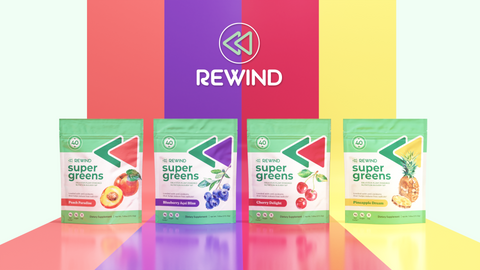
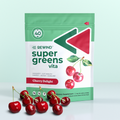
Cherry Delight
$39.99
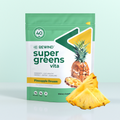
Pineapple Dream
$39.99
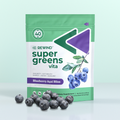
Blueberry Acai Bliss
$39.99


