

There is something genuine about the way August feels. The long days are beginning to shorten. The pace of summer, with its vacations, disrupted schedules, and celebration-heavy social calendar, is winding down. For most people, September signals a return to structure: school starts, work schedules tighten, routines re-establish. August is the transition between those two states, and it is one of the most nutritionally strategic months of the year.
The reason August matters nutritionally is that the transition into fall creates a specific set of immune, energy, and habit challenges that you are either prepared for or not. Immune vulnerability increases as social mixing intensifies in September: back-to-school brings waves of seasonal viruses into households. Circadian rhythms shift as daylight shortens and the autumn rhythm of earlier darkness begins. Dietary patterns change as summer's abundance of fresh produce gives way to the convenience-food patterns of busier fall schedules. The choices you make in August determine how well the body handles what September brings. This blog is about making those choices count.
Research on seasonal dietary patterns has found that summer and late summer represent the period of highest total energy and discretionary food intake in most adult populations. Longer days, more social events, barbecues, vacations, and celebrations cluster in these months, and with them come higher intakes of alcohol, processed foods, refined sugars, and irregularly timed meals. Fresh fruit intake typically peaks in summer, which is positive. But the disruption to regular meal timing, sleep schedules, and hydration from hot-weather activity means that even people who eat relatively well in the summer often arrive at September with depleted mineral reserves from sweat losses and some accumulated micronutrient gaps from dietary irregularity.
The specific nutritional vulnerabilities that most people carry into fall from a busy summer are magnesium depletion from summer heat, exercise, and stress; B-vitamin gaps from irregular meal patterns and increased alcohol consumption at summer events; iron that may have declined modestly from suboptimal dietary iron intake across the summer months; and a gut microbiome that may have shifted from the combination of dietary variability, vacation travel, and reduced routine.
The transition from summer to fall brings a shift in circadian rhythms driven by shortening day length. The hypothalamus, which reads light input through retinal signals and coordinates the body's seasonal biological adjustments, begins downregulating certain processes associated with summer physiology and upregulating those associated with fall and winter. Melatonin onset shifts earlier as evenings darken sooner. Immune activity increases as the biological calendar approaches the fall and winter respiratory virus season. Appetite may increase as energy storage hormones shift seasonally. And mood regulation may change as the neural circuits that depend on bright-light serotonin stimulation receive less activation.
Supporting the body through this transition nutritionally means providing the magnesium that supports healthy sleep architecture as sleep patterns shift, the adaptogenic support that helps the HPA axis recalibrate to a new seasonal rhythm, and the antioxidant and immune-supporting micronutrients that prepare the immune system for the increased viral challenge of the fall social season. A daily greens drink addresses all of these simultaneously.
Research on seasonal immune variation has found that immune biomarkers change predictably with the seasons, with inflammatory markers, white blood cell counts, and immune activity typically increasing in the fall-winter period in response to the combination of shortened daylight, reduced Vitamin D synthesis from less sun exposure, and increased pathogen exposure from closer indoor social contact. This seasonal immune upregulation is the body's adaptive preparation for the respiratory virus season, but it operates most effectively when the nutritional foundation it depends on is intact.
The specific immune-supporting nutrients most likely to be at risk in the transition from summer to fall are Vitamin C, which the adrenal glands consume rapidly in response to the stress of schedule and routine changes; zinc, which is lost in summer sweat and may not have been fully replaced through dietary intake; and the B vitamins that support the metabolic energy of immune cells. A daily greens drink providing Acerola Vitamin C, Spirulina zinc and B vitamins, and the comprehensive antioxidant polyphenol network maintains these immune-critical nutrients through the transition period and into the higher-demand fall season.
Astragalus Root is one of the most studied plant compounds for supporting immune function, with a particularly relevant clinical research record in the context of respiratory health and resistance to seasonal illness. Research has documented Astragalus's ability to support the production and activity of T lymphocytes, natural killer cells, and interferon, the antiviral protein that represents one of the immune system's first-line defenses against respiratory viral infections. These effects build over weeks of consistent daily use, making late summer the optimal time to be consistent with daily Astragalus intake through a greens formula in preparation for the viral season that fall brings.
The psychological research on behavior change has identified fresh start effects: natural temporal landmarks in the calendar that create a felt sense of a new beginning and that are associated with increased motivation for goal setting and habit adoption. New Year is the most studied, but the back-to-school transition in late August and early September has a similar but underappreciated fresh start quality for adults, even those without school-age children. The cultural rhythm of this transition produces a mindset shift toward structure, routine, and intentional behavior that is one of the most favorable contexts for establishing new habits.
For someone whose greens habit has been inconsistent through the summer's schedule disruptions, August is the ideal re-anchoring window. The fresh-start motivation of the approaching fall season, combined with the genuine nutritional need to prepare the immune system and restore the mineral and micronutrient reserves that summer may have depleted, creates both the psychological motivation and the physiological reason to commit to consistent daily greens use heading into the new season.
The greens habit itself needs no structural changes for the fall. One serving, every morning, is the right approach year-round. What may need adapting is the delivery format. The summer smoothie with cold blended fruit that made the daily habit a refreshing treat in August may feel less appealing on a cool October morning. Have two or three alternative formats ready for the transition: the greens drink stirred into warm (not hot) water with lemon for a comforting morning alternative to the smoothie, the greens powder mixed into overnight oats the evening before, or the energy ball recipe that makes for a portable autumn breakfast. Sustaining the habit through seasonal format evolution is one of the most practical consistency strategies available.
Beyond the daily greens habit, the transition from summer to fall is the most important window of the year to focus on sleep schedule consistency. Shifting sleep timing toward 30 minutes earlier than your current summer schedule in August allows a gradual circadian re-entrainment before the dramatic light changes of October and November force a more abrupt shift. The magnesium from Barley Grass and Wheatgrass in a daily greens drink supports the GABA-mediated sleep architecture that makes this transition smoother.
Immune-supportive eating in late August means increasing intake of zinc-rich foods, maintaining consistent fresh vegetable and fruit consumption rather than letting it slip as summer produce availability shifts, and moderating the alcohol and refined sugar patterns that the summer social season may have normalized. The daily greens drink provides the concentrated micronutrient and polyphenol support that makes this a reasonable nutritional foundation even on the days when diet quality is less than ideal.
The science of seasonal immune variation and the importance of consistent micronutrient support for seasonal health transitions is well-documented.
August is the month between the summer you had and the autumn you are heading into. It is the window to take stock of what summer's schedule disruptions, heat, travel, and social indulgences have done to your nutritional reserves, and to deliberately restore what has been depleted before the new season places fresh demands on your immune system, your sleep, and your daily routines. You do not need a dramatic reset protocol or an intensive cleanse. You need what you always need: consistent daily plant nutrition, adequate sleep, and the intentional recommitment to the habits that carry you through the months ahead.
Your daily greens drink is the simplest and most complete nutritional action available for the August reset. The Acerola Vitamin C and zinc-rich Spirulina restore the immune-critical nutrients that summer may have depleted. The Astragalus builds the immune resilience that fall's respiratory virus season will demand. The magnesium from Barley Grass and Wheatgrass supports the sleep quality adjustment that shorter days require. The adaptogenic support of Siberian Ginseng helps the HPA axis recalibrate to the new seasonal rhythm. Take it every morning. Start now. September is going to arrive whether you are nutritionally ready for it or not.
The standard daily serving is appropriate year-round. What changes with the fall transition is not the dose but the consistency. Protecting the habit through the schedule changes that September brings, specifically having a backup delivery format for the mornings when the summer smoothie no longer feels appealing, is more important than increasing the dose. Consistency through the transition is the goal.
The mood changes associated with the fall and winter light reduction involve serotonin and dopamine regulation that is influenced by several nutritional factors. B vitamins from Spirulina support the methylation cycle and neurotransmitter synthesis that underlie mood regulation. The adaptogenic support from Siberian Ginseng moderates the HPA axis reactivity that can amplify seasonal mood shifts. And the gut microbiome support that consistent plant nutrition provides contributes to the gut-brain axis serotonin production that influences baseline mood. These are not treatments for seasonal depression, but they are genuine nutritional supports for mood-relevant systems during a period of seasonal change.
Vitamin D supplementation deserves particular attention as natural light synthesis declines after the summer months. A Vitamin D blood level check at the end of summer and appropriate supplementation for the fall and winter period is among the highest-impact nutritional actions most adults can take for immune health and mood support during these months. The daily greens drink provides the other micronutrient and polyphenol foundation; Vitamin D is the most common gap that requires separate attention in the fall transition.
The same travel and schedule-disruption protocol that works year-round applies in fall: pre-measured single-serve packets or a portable container in carry-on luggage, use of the hotel glass with room temperature water, and anchoring to the same morning behavior (toothbrushing or the first morning beverage) regardless of the time zone or schedule. The habit's resilience to disruption in fall and winter depends on the environmental anchoring strategies that make it independent of time and place.
Consistency with the daily greens habit. Everything else, sleep timing adjustments, dietary improvements, immune-specific supplementation, is meaningful and worth pursuing. But the single highest-return nutritional action for the August reset is the one that requires the least effort and delivers the broadest benefit: 30 seconds every morning, one scoop, cold water, and the daily renewal of the nutritional foundation that everything else in your health depends on.
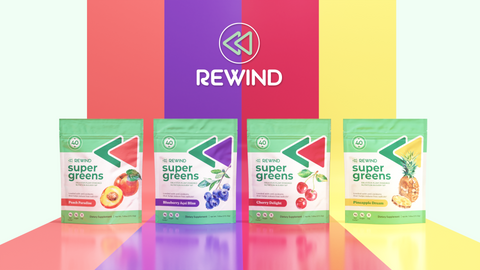
Cherry Delight
$39.99

Pineapple Dream
$39.99
Blueberry Acai Bliss
$39.99


