

Polycystic ovary syndrome, or PCOS, affects approximately 1 in 10 women of reproductive age in the United States, making it one of the most common hormonal conditions in women. Despite its name, PCOS does not necessarily involve ovarian cysts. What it does reliably involve is a cluster of hormonal, metabolic, and inflammatory disruptions that affect quality of life far beyond the reproductive system. Irregular periods, elevated androgens producing acne and excess hair growth, insulin resistance, weight management challenges, fatigue, and mood disruption are all common features of PCOS, and they are interconnected in ways that make managing any one of them in isolation difficult.
Nutrition plays a central and increasingly well-researched role in PCOS management. Multiple clinical trials and systematic reviews have examined specific dietary patterns, micronutrients, and plant compounds in the context of PCOS, and the findings are meaningful. This blog explores what PCOS is biologically, how nutrition intersects with its key mechanisms, and which specific plant compounds found in a daily greens formula may support the hormonal balance and metabolic health that PCOS disrupts. This content is educational and not a substitute for working with a healthcare provider, who should guide all PCOS management decisions.
PCOS is not a single condition with a single cause. It is a syndrome, meaning it is defined by a cluster of characteristics rather than a single underlying mechanism. The three defining features used in diagnosis are menstrual irregularity, elevated androgens (either measured in blood or expressed as acne, excess facial hair, or scalp hair thinning), and polycystic ovarian morphology on ultrasound. Any two of the three are sufficient for diagnosis.
Beneath these features are several interconnected biological drivers. Insulin resistance is found in approximately 70 percent of women with PCOS, regardless of body weight. Elevated insulin drives the ovaries to produce excess testosterone and other androgens. Chronic low-grade inflammation amplifies androgenic signaling and worsens insulin resistance. The hypothalamic-pituitary-ovarian axis, the hormonal communication system that coordinates the menstrual cycle, is disrupted in ways that impair ovulation. And oxidative stress, which is measurably elevated in women with PCOS compared to matched controls, contributes to both the inflammatory state and the impaired follicle development that characterizes the condition.
Research has established chronic low-grade inflammation as a primary driver of PCOS pathophysiology rather than merely a downstream consequence. Inflammatory cytokines, particularly TNF-alpha and IL-6, directly stimulate androgen production in ovarian theca cells and worsen insulin signaling in peripheral tissues. Women with PCOS have measurably higher levels of CRP and other inflammatory markers than women without the condition, even after adjusting for BMI. This inflammatory background is now understood as a central feature of PCOS rather than an incidental finding, which means that interventions reducing systemic inflammation have direct mechanistic relevance to PCOS management.
Plant polyphenols, the diverse family of bioactive compounds found in fruits, vegetables, and concentrated in greens powders, address several of the key PCOS mechanisms simultaneously. Resveratrol in particular has attracted significant clinical research attention specifically in PCOS populations. Human clinical trials of Resveratrol in women with PCOS have found reductions in testosterone levels, improvements in insulin sensitivity, and reductions in LH (luteinizing hormone) levels that may support more regular ovulatory cycles. The mechanisms involve SIRT1 activation, which regulates insulin signaling and androgen synthesis pathways, and direct anti-inflammatory effects that reduce the inflammatory drivers of androgen overproduction.
Quercetin Dihydrate has demonstrated insulin-sensitizing properties in research, reducing fasting insulin and improving insulin sensitivity in hyperinsulinemic populations, making it relevant to the insulin resistance that underlies much of PCOS pathophysiology. Both Quercetin and Resveratrol have documented anti-inflammatory mechanisms operating through NF-kB inhibition that address the chronic low-grade inflammatory state that drives PCOS androgenic excess.
Green Tea Extract, particularly its EGCG catechin content, has been studied specifically in PCOS contexts with encouraging findings. Research has found that Green Tea Extract supplementation in women with PCOS produced reductions in fasting insulin, improvements in insulin sensitivity markers, and modest reductions in body weight compared to placebo in randomized controlled trials. The mechanisms involve EGCG's effects on glucose transport, insulin receptor signaling, and the sympathetic nervous system activity that regulates metabolic rate. Its anti-inflammatory properties also address the inflammatory dimension of PCOS that drives androgen production.
Green Tea Extract also has documented mild inhibitory effects on 5-alpha reductase, the enzyme that converts testosterone to the more potent DHT that drives scalp hair loss and excess facial hair in PCOS. While this effect is modest at dietary doses, it contributes to the multi-mechanism anti-androgenic support that plant compounds can provide alongside medical PCOS management.
Spirulina's relevance to PCOS operates through its comprehensive micronutrient and anti-inflammatory profile. Its iron content addresses the iron deficiency anemia that irregular, heavy periods in PCOS can produce. Its B-vitamin complex supports the methylation cycle that governs hormone metabolism, including the enzymatic conversion of estrogens and androgens. Its phycocyanin provides potent anti-inflammatory support that may reduce the chronic inflammation driving androgen excess.
Research on Spirulina supplementation has also found improvements in insulin sensitivity and reductions in inflammatory markers in populations with metabolic syndrome features, which overlaps significantly with the PCOS metabolic phenotype. The combination of anti-inflammatory, micronutrient-dense, and metabolically supportive properties makes Spirulina one of the most PCOS-relevant single ingredients available in a greens formula.
The stress-PCOS relationship is clinically significant. Chronic stress elevates cortisol, which worsens insulin resistance and directly stimulates androgen production through adrenal pathways. Women with PCOS tend to have dysregulated cortisol responses, with both higher baseline cortisol and altered stress reactivity contributing to the androgenic picture. Siberian Ginseng and Astragalus Root in a greens formula provide adaptogenic HPA axis support that may help moderate the cortisol excess that worsens PCOS metabolic and androgenic features, working alongside the formula's direct anti-inflammatory and antioxidant mechanisms.
Oxidative stress is now recognized as a core feature of PCOS that contributes to impaired follicle development, worsened insulin resistance, and the inflammatory state that drives androgen excess. Research has found that women with PCOS have significantly lower levels of endogenous antioxidants including glutathione and superoxide dismutase compared to matched controls, alongside higher markers of lipid peroxidation and oxidative DNA damage. This antioxidant deficit creates a permissive environment for the inflammatory and androgenic processes that characterize PCOS.
The comprehensive antioxidant network in a daily greens powder, including Quercetin, Resveratrol, EGCG, Acerola Vitamin C, Blueberry anthocyanins, and Spirulina phycocyanin, directly addresses this oxidative stress component of PCOS by providing diverse free radical scavenging compounds and by activating the Nrf2 pathway that upregulates endogenous antioxidant enzyme production. Clinical research on antioxidant supplementation in PCOS has found improvements in oxidative stress markers alongside improvements in hormonal and metabolic parameters, supporting antioxidant nutrition as a mechanistically coherent approach to PCOS nutritional support.
The evidence base for nutritional and supplement interventions in PCOS has grown substantially in the past decade.
PCOS is a complex condition that does not have a single nutritional fix, and this blog makes no claims of treatment or cure. What it does offer is an evidence-grounded perspective on how specific plant compounds in a daily greens formula address some of the core biological mechanisms that drive PCOS features. The anti-inflammatory polyphenols reduce the chronic inflammation that drives androgen excess. Resveratrol specifically has clinical evidence for hormonal benefit in PCOS populations. Green Tea Extract addresses insulin sensitivity and metabolic features. Spirulina provides the micronutrient density and anti-inflammatory support that PCOS metabolism needs. And the adaptogenic compounds support the cortisol regulation that intersects with both insulin resistance and androgenic output.
A daily greens drink is a nutritional foundation, not a PCOS treatment. Anyone managing PCOS should do so in partnership with a healthcare provider who can guide diagnosis, treatment, and monitoring. But within the broader approach to PCOS management, consistent daily plant nutrition that addresses inflammation, oxidative stress, and micronutrient gaps is one of the most evidence-supported lifestyle components available.
A greens powder provides nutritional support for the hormonal and metabolic mechanisms that influence menstrual regularity in PCOS, but it is not a cycle-regulating medication and cannot guarantee cycle changes. The anti-inflammatory, insulin-sensitizing, and anti-androgenic properties of plant compounds may support the hormonal environment that allows more regular ovulation over time, but the degree of improvement varies considerably among individuals and depends on multiple factors beyond nutrition alone. Work with a healthcare provider for cycle management guidance.
Resveratrol has the most consistent body of randomized clinical trial evidence specifically in PCOS populations for hormonal outcomes, with multiple trials showing reductions in testosterone and LH levels alongside improvements in insulin sensitivity. Inositol, while not a polyphenol, also has strong clinical evidence in PCOS. Among the polyphenols, Quercetin has documented insulin-sensitizing evidence. Green Tea Extract EGCG has shown metabolic benefit in PCOS clinical trials. A greens formula containing multiple of these compounds provides broader coverage than any single isolated compound.
The relationship between weight and PCOS is bidirectional, with excess body weight worsening insulin resistance and androgenic excess, and the metabolic dysregulation of PCOS making weight management more difficult. The modest metabolic support from Green Tea Extract and the anti-inflammatory effects of the greens formula's polyphenol network may support the metabolic environment in which dietary weight management interventions work. The greens drink is not a weight loss product but complements a comprehensive lifestyle approach to PCOS management.
The 24 plant-based ingredients in a comprehensive greens formula are food-derived and generally well-tolerated. Anyone with PCOS taking medications, particularly metformin, hormonal contraceptives, or fertility treatments, should discuss any new daily supplement with their prescribing physician before starting, as plant polyphenols can interact with drug metabolism pathways including the CYP3A4 enzyme system involved in some PCOS medications.
Clinical trials showing hormonal and metabolic improvements from nutritional interventions in PCOS typically run for eight to twelve weeks or longer. The anti-inflammatory and antioxidant effects begin developing within weeks, but hormonal marker changes in clinical research generally emerge at two to three months of consistent intervention. Individual responses vary considerably, and any changes should be discussed with a healthcare provider who can assess them in the context of the full PCOS management picture.
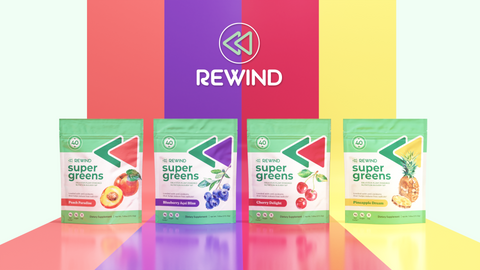
Cherry Delight
$39.99
Pineapple Dream
$39.99
Blueberry Acai Bliss
$39.99


