

Every summer, the detox industry has its best quarter. Juice cleanses. Activated charcoal supplements. Detox teas. Liver flush protocols. The marketing is consistent: your body has accumulated toxins, your liver and kidneys are overwhelmed, and you need a special product or protocol to clean out what has built up over months of imperfect living. The products sell. The claims are, almost without exception, not supported by research. And the millions of people who spend real money on these protocols often feel better afterward, which they then attribute to the toxin removal that never actually occurred.
This blog clears the air. It explains how the body's actual detoxification systems work, why the detox product industry's framing is scientifically inaccurate, what a greens powder genuinely does and does not do in relation to liver and elimination health, and why the honest version of what plant nutrition contributes to the body's natural processing capacity is more interesting and more useful than the mythology that surrounds it.
The liver is the body's primary chemical processing facility. Every substance absorbed from the gut, including nutrients, medications, alcohol, food additives, environmental chemicals, and the byproducts of normal metabolism, passes through the liver before reaching systemic circulation. The liver processes these compounds through a two-phase enzymatic system. Phase I reactions, mediated primarily by the cytochrome P450 enzyme family, oxidize, reduce, or hydrolyze compounds to prepare them for the next step. Phase II reactions then conjugate these modified compounds with water-soluble molecules like glucuronic acid, sulfate, or glutathione, making them polar enough to be excreted through urine via the kidneys or bile via the intestines.
This system is extraordinarily efficient. The liver processes essentially every foreign compound that enters the bloodstream, generating more than 500 distinct chemical transformations per day. It does not accumulate a backlog of unprocessed toxins that builds up over months and requires a special cleanse to clear. The detox industry's premise that the liver needs periodic rescue from accumulating toxic burden is inconsistent with the known physiology of hepatic function. A healthy liver with adequate nutritional support performs its detoxification role continuously and reliably without periodic intervention.
The liver does not work alone. Water-soluble compounds processed by the liver are passed to the kidneys for filtration and urinary excretion. The kidneys filter approximately 180 liters of blood per day, eliminating waste products including urea, creatinine, drug metabolites, and excess minerals. Fat-soluble compounds conjugated in Phase II liver processing are secreted into bile, which is released into the small intestine and carries these compounds for excretion in stool. The gut microbiome participates in this process, metabolizing bile acids and conjugated compounds that are then either excreted or potentially reabsorbed through enterohepatic circulation.
What the body's elimination system needs to function optimally is not a periodic intensive cleanse. It needs adequate hydration for kidney filtration, adequate fiber for bowel regularity that prevents excessive reabsorption of conjugated compounds, adequate glutathione and antioxidant support for Phase II liver function, and adequate vitamins and minerals as cofactors for the Phase I and Phase II enzyme systems. These are daily nutritional requirements that a consistent diet and daily supplement habit address far more effectively than any periodic cleanse protocol.
The specific claim that toxins from diet and environment accumulate in fat tissue, organs, or blood until they are periodically purged by a cleanse is not supported by evidence. The liver's Phase I and Phase II processing converts fat-soluble compounds to water-soluble forms for excretion on an ongoing basis. There is no documented physiological mechanism by which processed toxins accumulate in a reversible pool that responds specifically to cleanse interventions.
This does not mean environmental chemical exposure is irrelevant. Certain persistent organic pollutants and heavy metals do accumulate in fatty tissue and bone over years of chronic low-level exposure, and this is a genuine public health concern. But these accumulations are not addressed by juice cleanses, activated charcoal, or detox teas. Persistent organic pollutants require very long-term dietary modifications to reduce, and heavy metal accumulation requires specific medical interventions when clinically significant. The detox products marketed for periodic cleansing do not produce the heavy metal or persistent pollutant elimination they imply.
The feeling of improved wellbeing that many people report following a cleanse protocol is real, even when the mechanism is not toxin removal. Several genuine factors typically account for it. Caloric restriction during juice cleanses produces initial rapid fluid weight loss and the mild euphoria associated with fasting-induced ketosis in some people. Elimination of alcohol, ultra-processed foods, and excessive caffeine for the duration of the cleanse removes the actual contributors to the heavy, sluggish feeling that precedes most cleanses. Increased fluid intake improves hydration status. And the psychological sense of having taken action for one's health produces mood improvements that are real and meaningful regardless of the physiological mechanism.
The honest insight here is that the benefits people attribute to cleansing are real, but they come from temporary dietary improvement, not toxin removal. The question then becomes: why not maintain those benefits through daily nutritional habits rather than periodic cleanses that provide temporary relief before returning to the patterns that created the need for the cleanse in the first place?
Rather than claiming to cleanse or detoxify the liver, it is more accurate and more interesting to describe what specific plant compounds in a greens formula do for the genuine mechanisms of hepatic function. Milk Thistle Seed Powder contains silymarin, one of the most studied plant compounds for liver cell protection. Silymarin has documented hepatoprotective effects through multiple mechanisms: it scavenges free radicals in hepatocytes, stimulates the production of glutathione (the liver's primary antioxidant), inhibits the inflammatory signaling that drives hepatic inflammation, and has demonstrated ability to support liver cell regeneration after chemical damage in research. These are genuine, evidence-based contributions to liver cell health, distinct from the fictional toxin-removal claims of detox marketing.
Organic Broccoli Powder and other cruciferous ingredients in a greens formula contain glucosinolates that are converted in the gut to sulforaphane and indole-3-carbinol. These compounds are among the most extensively studied dietary factors for supporting Phase II liver detoxification enzymes, particularly the glutathione S-transferase family that conjugates processed compounds for elimination. Research has documented that cruciferous vegetable consumption measurably increases Phase II enzyme activity, genuinely supporting the liver's own detoxification machinery through nutritional means.
Spirulina has been studied specifically in the context of liver health and has demonstrated hepatoprotective properties in research, including protection against chemically induced liver damage through antioxidant mechanisms and reduction of hepatic fat accumulation. Its phycocyanin reduces oxidative stress in liver tissue and its comprehensive mineral profile provides cofactors for the enzymatic systems of both Phase I and Phase II liver processing. Spirulina's iron and B vitamins support the overall metabolic function that the liver depends on for its processing capacity.
Spirulina has also been studied for its ability to bind certain heavy metals in the gut, potentially reducing absorption of lead and other heavy metals from food. This is a genuine but modest contribution to reducing heavy metal exposure from diet, distinct from claims about removing accumulated metals from tissue.
The most meaningful contribution of a daily greens drink to the body's natural elimination systems is not acute or dramatic. It is the consistent daily supply of the antioxidants, cofactors, and plant compounds that keep the Phase I and Phase II enzyme systems running at their designed efficiency, the glutathione support from Acerola Vitamin C and plant polyphenols that maintains the liver's primary antioxidant reserve, and the anti-inflammatory inputs that prevent the chronic hepatic inflammation that impairs processing efficiency over time. This is daily maintenance nutrition for a biological system that requires continuous support, not periodic rescue.
The science of liver function, hepatoprotective nutrition, and the evidence base for detox product claims is well-established in the research literature.
The detox industry sells an appealing but inaccurate narrative: toxins are accumulating, your liver needs help, and a special cleanse will fix what daily living has broken. The reality is more nuanced and ultimately more hopeful. Your liver is not overwhelmed. It is an extraordinarily sophisticated processing system that works continuously and effectively when it has the nutritional support it needs. It does not require periodic rescue. It requires daily nutrition.
A daily greens drink provides that daily nutrition in a genuinely meaningful way. The Milk Thistle silymarin supports hepatocyte antioxidant defense and regeneration. The Broccoli Powder cruciferous compounds support Phase II detoxification enzyme activity. The Spirulina provides the micronutrient cofactors that the processing enzymes depend on. The comprehensive plant polyphenol network reduces the oxidative and inflammatory burden that impairs liver function over time. None of this is a cleanse. All of it is daily support for a biological system that deserves consistent care, not periodic crisis intervention.
Research does not support the claim that juice cleanses produce measurable toxin removal beyond what normal liver and kidney function accomplishes daily. The improved wellbeing reported after cleanses most likely reflects the elimination of alcohol, processed foods, and excess caffeine during the cleanse period rather than any specific detoxification mechanism. These same benefits are achievable and more sustainable through consistent daily dietary improvements rather than periodic intensive protocols.
Milk Thistle Seed Powder at the doses present in a greens formula provides meaningful daily hepatoprotective antioxidant and anti-inflammatory support as part of a complete nutritional approach to liver health. For individuals with diagnosed liver conditions or significant ongoing alcohol consumption, higher therapeutic doses under medical supervision may be appropriate. A greens powder is a daily wellness tool for the generally healthy person, not a medical treatment for liver disease.
No. There is no physiological basis for a preparatory cleanse before beginning a daily nutrition habit. The greens habit itself provides far more genuine liver and elimination support than any cleanse protocol through consistent daily Milk Thistle, antioxidant polyphenols, and micronutrient cofactors for detoxification enzyme activity. Starting the habit directly is more effective than a cleanse followed by a habit.
Yes, through the documented hepatoprotective mechanisms of its ingredients. Milk Thistle silymarin reduces oxidative stress in liver cells processing alcohol metabolism byproducts. Green Tea Extract EGCG supports hepatic antioxidant function. Acerola Vitamin C helps regenerate glutathione depleted by alcohol processing. These are genuine contributions to the liver's recovery from occasional alcohol exposure, operating through the same antioxidant mechanisms that make these ingredients beneficial for liver health broadly.
A greens powder provides different and in some ways more comprehensive liver support than a standard multivitamin, including plant polyphenols and Milk Thistle that multivitamins do not contain. It does not provide Vitamin D, which some people require as a separate supplement, and its Vitamin B12 form may be less bioavailable than supplemental forms for some individuals. For most people in good general health, a daily greens drink provides a more complete nutritional foundation for liver and overall health than a standard multivitamin alone.
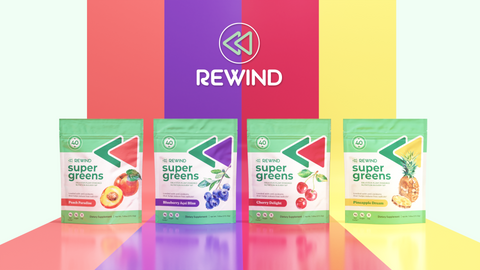
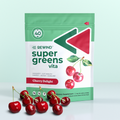
Cherry Delight
$39.99
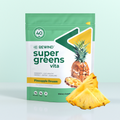
Pineapple Dream
$39.99
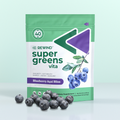
Blueberry Acai Bliss
$39.99


