

A well-planned plant-based diet is one of the most health-promoting dietary approaches available. The research on plant-rich eating and long-term disease risk is extensive and largely positive: lower rates of cardiovascular disease, better metabolic markers, reduced cancer risk in multiple categories, and generally longer healthspans in populations who eat predominantly plant foods. These benefits are real and well-documented.
What is also real and well-documented, though less often discussed in the enthusiasm for plant-based eating, is that poorly planned or even moderately planned plant-based diets consistently come up short on several specific nutrients that are either absent from plant foods, present in less bioavailable forms, or present in adequate amounts only if the dietary diversity and volume are precisely managed. Iron, B vitamins (particularly B12), calcium, zinc, and iodine are the most commonly deficient. The consequences of these gaps, when they are not addressed, include fatigue, impaired cognitive function, bone density loss, and immune vulnerability.
A daily super greens powder is one of the most practical nutritional tools available for plant-based eaters precisely because it directly targets the nutrient categories where plant-based diets most consistently fall short. This blog explains where those gaps are, why they occur, and how specific ingredients in a greens formula address them in ways that are meaningful and evidence-supported.
Plant foods do contain iron, often in quite significant amounts. Legumes, dark leafy greens, fortified grains, seeds, and nuts are all reasonable sources. The problem is not primarily the quantity of iron in plant-based diets but its bioavailability. Plant foods contain non-heme iron, while animal foods contain heme iron. Heme iron is absorbed at rates of 15 to 35 percent. Non-heme iron is absorbed at rates of 2 to 20 percent, depending heavily on the presence of dietary factors that either enhance or inhibit absorption.
Vitamin C dramatically enhances non-heme iron absorption when consumed at the same meal, which is why pairing plant iron sources with Vitamin C-rich foods is a standard dietary recommendation for plant-based eaters. Phytates and polyphenols in plant foods, including the tannins in tea and coffee and the phytates in legumes and whole grains, inhibit non-heme iron absorption. This absorption competition means plant-based eaters effectively need significantly higher total dietary iron intake than omnivores to achieve equivalent absorbed iron, and many do not compensate adequately. Iron deficiency anemia and low iron stores without frank anemia are both meaningfully more common in vegetarian and vegan populations than in omnivores.
Vitamin B12 is produced by microorganisms and found in the diet almost exclusively in animal-sourced foods: meat, poultry, fish, dairy, and eggs. Algae and fermented plant foods contain B12-like compounds, but many are B12 analogues that cannot be utilized by the human body and may actually interfere with B12 absorption and metabolism. This makes Vitamin B12 deficiency the single most predictable nutritional consequence of a vegan diet without supplementation or fortified food consumption.
B12 deficiency develops slowly, because the liver stores substantial reserves, but the neurological and hematological consequences when those stores are depleted are serious: megaloblastic anemia, peripheral neuropathy, cognitive decline, and elevated homocysteine with associated cardiovascular risk. Systematic reviews have found that over 40 percent of vegans are B12 deficient and a further significant proportion have borderline status. Nori Seaweed in a greens formula contains naturally occurring marine-source B12 in a form that is more bioavailable than the B12 analogues in most other plant sources, making it a meaningful contribution to plant-based B12 supply.
Calcium is abundant in dairy products, which are excluded by vegans and reduced in many other plant-based approaches. While plant foods including leafy greens, legumes, fortified non-dairy milks, tofu, and almonds do contain calcium, the amount bioavailable from most plant sources is lower than from dairy due to the presence of oxalates and phytates that bind calcium and reduce its absorption. Spinach, for example, is calcium-rich on paper but has very high oxalate content that makes much of its calcium inaccessible for absorption.
The practical consequence is that plant-based eaters need either very high calcium intake from lower-oxalate plant sources or deliberate fortified food and supplement strategies to match the calcium absorption that omnivores achieve through dairy. Studies have found lower bone mineral density in vegan populations compared to omnivores, with the most robust finding being that vegans who do not actively manage their calcium and Vitamin D intake have meaningfully higher fracture risk. The Inulin in a greens formula enhances the absorption of the calcium that plant-based eaters do consume by lowering colonic pH and improving calcium bioavailability at the intestinal wall.
Zinc is present in plant foods including legumes, nuts, seeds, and whole grains, but again the phytate content of many plant zinc sources reduces its bioavailability significantly. Research consistently finds that plant-based eaters have lower zinc status than omnivores despite often adequate total dietary zinc intake. Low zinc impairs immune function, slows wound healing, reduces testosterone production, and impairs the enzymatic processes of over 300 metabolic reactions.
Iodine is particularly challenging because the iodine content of plant foods is almost entirely dependent on the iodine content of the soil in which they were grown, which varies enormously. The primary reliable iodine source in Western diets is iodized salt and dairy products, both of which are reduced or eliminated in some plant-based approaches. Nori Seaweed is a natural source of iodine in a bioavailable form, making it genuinely valuable for plant-based eaters whose primary reliable iodine source would otherwise be limited.
Spirulina is arguably the most nutritionally concentrated single plant food available, and its profile maps almost precisely onto the gaps that plant-based diets create. It is approximately 60 to 70 percent protein by dry weight and contains all essential amino acids, making it a complete plant protein in a concentrated form. It is one of the richest plant-source iron foods available, with high enough iron density that it provides meaningful support for non-heme iron status alongside Vitamin C from Acerola Extract that enhances the absorption of that iron.
Spirulina's B-vitamin profile, including B1, B2, B3, and B6, directly addresses the B-vitamin insufficiency common in plant-based diets beyond B12 itself. Its phycocyanin pigment provides potent anti-inflammatory and antioxidant protection. And its mineral density, including zinc and magnesium, contributes to the two minerals most commonly low in plant-based populations. For a vegan or vegetarian taking a daily greens drink, the Spirulina contribution alone addresses more nutritional gaps than virtually any other single plant food or supplement available.
Nori Seaweed is one of the few plant foods with documented bioavailable B12 content rather than B12 analogues. It also provides iodine, another nutrient that plant-based diets consistently underprovide, along with iron, calcium, and plant-source omega-3 fatty acids. The marine origin of Nori means its micronutrient profile reflects the mineral richness of seawater rather than the highly variable mineral content of agricultural soils, making it a reliable and consistent source of several nutrients that are geographically variable in land-grown plant foods.
The single most important dietary strategy for improving non-heme iron absorption is simultaneous Vitamin C intake. Research has found that Vitamin C at the same meal can increase non-heme iron absorption by up to six times, depending on the amount of Vitamin C and the presence of absorption inhibitors. Acerola Extract in a greens formula delivers a highly bioavailable, food-matrix Vitamin C. When the greens powder is taken in the morning as part of a meal or before iron-rich plant foods, the Vitamin C present specifically supports the iron absorption that plant-based eaters depend on from every plant iron source throughout the day.
Barley Grass Powder and Wheatgrass Powder both provide meaningful amounts of calcium, magnesium, and potassium in food-matrix form. For plant-based eaters managing calcium intake without dairy, the calcium in these grass powders, while not a full daily replacement for dietary calcium, adds to the daily total from a reliable, consistent source. More importantly, the magnesium content of both grasses supports the parathyroid regulation and intestinal calcium transporter activity that determines how efficiently the calcium from all plant food sources is actually absorbed and retained.
Morning, before or with breakfast, is the optimal timing for several specific reasons relevant to plant-based nutrition. Taking the greens drink alongside or just before iron-rich plant foods at breakfast, such as fortified cereals, legumes, or seeds, means the Vitamin C from Acerola Extract is present in the digestive tract when iron arrives, maximizing absorption. Morning timing also establishes the daily nutritional habit that ensures the B-vitamin, mineral, and antioxidant contributions from the greens formula are available throughout the most cognitively and physically active part of the day.
No. A greens powder with Nori Seaweed provides meaningful supplementary B12 from a natural plant source, but the level of B12 provided is not sufficient to fully replace a dedicated B12 supplement for someone who is strictly vegan with no other B12 sources. Vegans should work with a healthcare provider to ensure adequate B12 status through supplementation and periodic blood testing. The Nori Seaweed contribution from a greens formula is a valuable daily addition to that strategy, not a standalone solution.
The nutritional challenges of plant-based diets are well-characterized in systematic research, as are the specific gap nutrients most consistently affected.
Plant-based eating is a genuinely health-promoting choice with a strong evidence base. The gaps it creates in iron, B vitamins, calcium, zinc, and iodine are manageable, but managing them requires deliberate nutritional strategy rather than simply eating more vegetables and hoping for the best. The research is clear that these deficiencies occur regularly in plant-based populations who are not actively addressing them, and that their consequences, from fatigue and anemia to bone density loss and neurological effects, are real and clinically significant when they accumulate over years.
A daily greens powder with Spirulina, Nori Seaweed, Acerola Extract, and the grass powders addresses the most important of these gaps: iron from Spirulina and the Vitamin C to absorb it, B vitamins from Spirulina and B12 from Nori, calcium and magnesium from the grass powders with prebiotic fiber from Inulin to enhance their absorption, and iodine from Nori. It does not close every gap, and it does not replace the need for thoughtful dietary planning and likely B12 supplementation for strict vegans. But taken every morning, it provides a consistent nutritional safety net for the most common and most consequential deficiencies that plant-based eating creates.
Yes, significantly more. Because non-heme iron from plant foods is absorbed at a much lower rate than heme iron from animal foods, plant-based eaters need approximately 1.8 times the dietary iron intake of omnivores to achieve equivalent absorbed iron. The combination of Spirulina's high iron content and Acerola's Vitamin C in a greens formula supports both iron intake and absorption efficiency simultaneously, addressing both sides of the plant-based iron challenge.
Very often yes, particularly when that fatigue is driven by the iron, B-vitamin, or magnesium deficiencies that commonly develop in the early months of plant-based dietary transition. The B vitamins and iron from Spirulina address two of the most common energy-related nutritional gaps, while the magnesium from Barley Grass and Wheatgrass supports the cellular energy metabolism and nervous system function that fatigue from these deficiencies impairs.
Yes. Spirulina contains all nine essential amino acids and is approximately 60 to 70 percent protein by dry weight, making it a complete plant protein. The protein contribution from a greens powder serving is modest, typically a few grams, and is not sufficient to replace dedicated protein sources in a plant-based diet. But it adds to the daily complete amino acid pool in a form that is fully bioavailable and easily included in a morning drink.
Nori provides bioavailable iodine in a natural food-matrix form, making it a meaningful contribution to daily iodine intake for plant-based eaters who have limited iodine sources. The amount varies by serving and processing, and strict vegans should still consider their overall iodine strategy including iodized salt use and possibly a dedicated iodine supplement if their overall intake remains uncertain. A greens drink with Nori is a valuable part of that strategy, not the entirety of it.
Yes, greens powders with plant-based ingredients are inherently compatible with vegan diets. They are typically vegan-certified with no animal-derived ingredients. For people in the early stages of a plant-based transition, starting a daily greens habit is one of the most practical first steps for addressing the nutritional gaps that tend to emerge during the transition period before a fully optimized plant-based dietary pattern has been established.
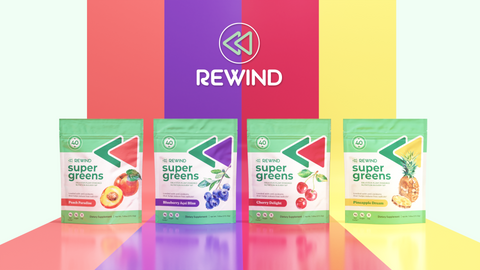
Cherry Delight
$39.99
Pineapple Dream
$39.99
Blueberry Acai Bliss
$39.99


