

Hair health is one of those things that most people think about from the outside in. Shampoos, conditioners, serums, heat protectants. The external product market for hair is enormous. But the condition of your hair, its thickness, growth rate, strength, and the amount that ends up in the shower drain, is primarily determined by what happens inside your body rather than what you apply to the outside of it. Hair follicles are among the most metabolically active structures in the human body. They require a consistent, adequate supply of specific micronutrients to cycle through their growth phases properly. When that supply is disrupted, hair quality and quantity suffer.
A daily super greens powder addresses the nutritional foundation that hair health depends on. The iron, B vitamins, zinc, Vitamin C, and antioxidants in a comprehensive greens formula directly support the cellular processes that keep hair follicles cycling, producing strong, healthy strands. This blog explains the biology of hair growth, which nutrients matter most, and how the ingredients in your daily greens drink contribute to the nutritional environment that healthy hair requires.
Each hair follicle on your scalp cycles through three phases. The anagen phase is the active growth phase, lasting two to seven years depending on genetics and nutritional status, during which the follicle divides rapidly and adds to the hair shaft. The catagen phase is a brief transitional phase of two to three weeks. The telogen phase is the resting phase, lasting about three months, after which the hair sheds and the follicle returns to anagen.
The rate and quality of growth during anagen, and the proportion of follicles in active anagen at any given time, are both sensitive to nutritional status. The matrix cells at the base of the follicle divide faster than almost any other cell type in the body, making them particularly dependent on a continuous supply of cofactors for energy production, DNA synthesis, and protein building. When key micronutrients fall short, the follicle may enter catagen and telogen prematurely, or remain in anagen but produce thinner, more brittle strands with reduced keratin density.
Because hair is not essential for survival, the body treats it as a low priority when resources become scarce. In states of nutritional deficiency, the body redirects critical nutrients toward vital organs and functions, and hair follicle activity is among the first processes to be scaled back. This is why hair loss or noticeable changes in hair quality often appear weeks to months after the onset of a nutritional deficiency, once the deficiency becomes deep enough to affect follicle function. The lag means that hair changes visible today often reflect nutritional status from two to four months ago.
Iron is essential for hair growth through two primary mechanisms. First, as a component of hemoglobin, iron supports the oxygen delivery to the actively dividing cells of the hair follicle matrix. Low oxygen delivery impairs the energy production that cell division requires. Second, ferritin, the iron storage protein, is used by hair follicles as a reservoir. When systemic iron stores fall, the body mobilizes ferritin from follicle cells, impairing their function before blood hemoglobin levels drop low enough to indicate clinical anemia.
Research has found that serum ferritin levels are significantly lower in people experiencing diffuse hair loss compared to controls, even when hemoglobin is still within the normal range. This means iron-related hair loss often begins before a doctor would diagnose iron deficiency. Spirulina is one of the highest plant-source iron foods available, providing non-heme iron in a food-matrix form alongside the Vitamin C from Acerola Extract in the same greens formula, which significantly enhances non-heme iron absorption and makes the combination particularly effective for supporting iron status.
The B vitamins, particularly B2 (riboflavin), B3 (niacin), B7 (biotin), and B12, are direct cofactors in the cellular energy pathways that the rapidly dividing hair follicle matrix cells depend on. B vitamins are required for the conversion of glucose and fatty acids to ATP, the cellular energy currency. Without adequate B vitamin supply, the energy production that drives cell division in the follicle base slows, and anagen phase duration or quality may be compromised.
While biotin receives the most marketing attention in the hair supplement space, research suggests that biotin deficiency is rare in people eating adequate diets, and the dramatic hair growth claims associated with biotin supplementation in people without deficiency are not well-supported by evidence. By contrast, B2 and B3 deficiencies, which are more common, have clearer associations with hair health outcomes. Spirulina in a daily greens powder is a concentrated plant source of B2 and B3 specifically, providing the B-vitamin cofactors with the clearest evidence base for hair follicle support.
Vitamin C contributes to hair health through several mechanisms. It is a required cofactor for the synthesis of collagen, the structural protein that forms the dermal papilla and the connective tissue surrounding each hair follicle. Without adequate Vitamin C, collagen synthesis is impaired, and the structural support that keeps follicles anchored and functional deteriorates. Vitamin C is also a potent antioxidant that protects the hair follicle from the oxidative stress that can damage follicle DNA and impair normal cycling.
Acerola Extract in a greens formula provides food-matrix Vitamin C at a high natural concentration, alongside bioflavonoids that extend its antioxidant activity and improve its bioavailability compared to synthetic ascorbic acid. For hair health, the daily Vitamin C from Acerola supports both the collagen infrastructure of the follicle and the iron absorption that oxygen delivery to the follicle depends on.
Spirulina is approximately 60 to 70 percent protein by dry weight and contains all essential amino acids, including cysteine, which is one of the primary building blocks of keratin, the structural protein that makes up the hair shaft. Without adequate amino acid supply from dietary protein, the follicle cannot synthesize the keratin that gives hair its strength and thickness. While the protein contribution of a greens powder serving is modest and not a replacement for adequate dietary protein, the complete amino acid profile of Spirulina provides a meaningful daily addition to the keratin-building substrate pool.
Oxidative stress is increasingly recognized as a significant contributor to premature follicle aging and hair loss. Free radicals generated by UV exposure, environmental pollutants, physiological stress, and normal metabolic processes can damage the DNA and mitochondria of follicle cells, impairing their function and shortening the anagen phase. The antioxidant compounds in a greens formula, including anthocyanins from Blueberry Powder, Resveratrol, EGCG from Green Tea Extract, and Quercetin Dihydrate, provide broad-spectrum free radical neutralization that reduces the oxidative burden on hair follicle cells, protecting the cellular machinery that healthy hair growth depends on.
The relationship between micronutrient status and hair health is well-documented across multiple study designs.
Hair health begins below the surface, in the nutritional environment that the hair follicle matrix cells operate within. Iron for oxygen delivery and ferritin storage. B vitamins for cellular energy and DNA synthesis. Vitamin C for collagen structure and iron absorption. Protein for keratin building. Antioxidants for follicle protection from oxidative damage. A daily greens powder that provides all of these through Spirulina, Acerola Extract, Barley Grass, Wheatgrass, Blueberry Powder, and Resveratrol addresses the hair nutrition picture at the level where it actually matters.
No supplement, whether it is a greens powder or a targeted hair supplement, can overcome genetics, hormonal imbalances, or medical conditions that drive hair loss. But for the large proportion of people whose hair quality or density is being undermined by nutritional gaps, getting the daily micronutrient foundation right makes a real and visible difference over months of consistent support.
Because the hair growth cycle operates over months rather than days, nutritional improvements typically take two to four months to produce visible changes in hair quality and shedding rate. The follicles responding to improved nutrition today will produce visibly healthier hair after completing the current growth cycle. Consistency over months matters more than optimizing any single day of intake.
A greens powder may support hair health when hair loss is being driven or worsened by nutritional deficiencies in iron, B vitamins, Vitamin C, or zinc. It is not a treatment for hair loss driven by genetics, hormonal conditions, or medical causes. Anyone experiencing significant or sudden hair loss should consult a healthcare provider to identify the underlying cause before relying on nutritional support alone.
Iron from Spirulina has the strongest evidence base for hair growth support, particularly when combined with Vitamin C from Acerola Extract for enhanced absorption. The combination addresses the most common nutritional driver of diffuse hair loss, iron deficiency, in a more bioavailable form than many dedicated iron supplements.
Yes. The stress blog in this series covers how chronic stress depletes magnesium, B vitamins, Vitamin C, and zinc, all of which are directly relevant to hair follicle function. Telogen effluvium, the form of hair loss triggered by significant physical or psychological stress, involves premature entry of follicles into the resting phase, which is exacerbated by the nutritional depletion that stress creates. Supporting the nutritional baseline during stressful periods is directly relevant to hair retention.
Not without confirmed iron deficiency from a blood test. Iron toxicity from excess supplementation is a real risk, and iron supplementation in people with adequate iron status does not improve hair growth. A greens powder with Spirulina and Acerola supports iron status as part of a whole-nutrition approach. If you suspect iron deficiency is driving your hair loss, speak with a healthcare provider for testing before adding a standalone iron supplement.
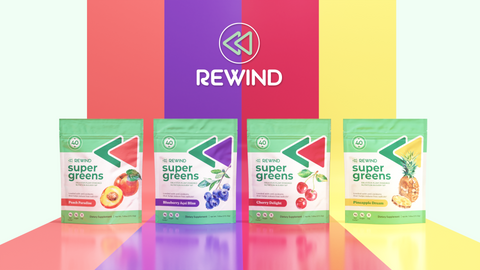
Cherry Delight
$39.99
Pineapple Dream
$39.99
Blueberry Acai Bliss
$39.99


