

Bone health rarely gets the attention it deserves until something breaks. Most people know calcium matters for bones, and many know Vitamin D helps with calcium absorption. But the nutritional story of bone health is far more complex and far more interesting than those two nutrients alone. The skeleton is a living tissue, continuously remodeled throughout your lifetime by two competing cell types: osteoblasts that build new bone and osteoclasts that break it down. The balance between these two processes, and the nutrients that regulate it, determines whether your bone density is maintained, increased, or gradually lost over time.
A daily super greens powder contains several ingredients with well-documented relevance to bone health, most notably the Vitamin K from Spinach Leaf Powder and Organic Broccoli Powder, the magnesium from Barley Grass and Wheatgrass, and the prebiotic fiber from Inulin that research has shown improves mineral absorption. This blog explains the bone biology that matters, which nutrients play the most important roles, and how a greens drink contributes to the nutritional foundation that healthy bones depend on across a lifetime.
Bone is a composite material made primarily of two components: a mineral phase dominated by hydroxyapatite crystals containing calcium and phosphate, and an organic phase dominated by collagen protein. The mineral phase provides hardness and compression resistance. The collagen phase provides flexibility and tensile strength. Strong, resilient bones require both components to be well-maintained, and the nutritional requirements for each extend well beyond calcium alone.
Calcium is the most abundant mineral in bone and is essential for the mineral phase, but its incorporation into bone depends on several cofactors. Vitamin K activates the proteins that bind calcium into the bone matrix. Magnesium regulates the enzymes that control bone mineral density and parathyroid hormone activity. Vitamin C, present in Acerola Extract in a greens formula, is a required cofactor for collagen synthesis, the organic scaffolding that calcium mineralizes onto. Without adequate levels of these supporting nutrients, calcium intake alone may be insufficient to maintain bone strength.
Bone remodeling is the continuous cycle in which osteoclasts dissolve old bone tissue and osteoblasts replace it with new. In healthy young adults, this cycle maintains bone mass with osteoblast activity roughly matching osteoclast activity. After peak bone mass is reached in the late 20s to early 30s, the balance gradually tips toward resorption, and bone density begins to decline, slowly in most people but accelerating after menopause in women and more gradually in older men.
The rate at which this decline occurs is significantly influenced by daily nutrition. Nutrients that support osteoblast activity, suppress excessive osteoclast activity, and provide the raw materials for new bone matrix formation can meaningfully slow the rate of bone density loss over years and decades. This is why bone nutrition is not just relevant for people with osteoporosis. The daily nutritional inputs that protect bone health matter most when they are maintained consistently across the decades before problems become clinically significant.
Vitamin K is required for the carboxylation of osteocalcin, the most abundant non-collagen protein in bone. Osteocalcin is produced by osteoblasts and, when properly carboxylated by Vitamin K-dependent enzymes, binds to the hydroxyapatite crystals of the bone mineral matrix and anchors them in place. Without adequate Vitamin K, osteocalcin remains undercarboxylated and cannot bind effectively, leaving the mineral phase of bone less well-organized and the matrix less structurally sound even when calcium intake is adequate.
Research measuring undercarboxylated osteocalcin as a biomarker of Vitamin K status has consistently found that higher undercarboxylated osteocalcin is associated with lower bone mineral density and higher fracture risk. Conversely, Vitamin K supplementation in multiple randomized controlled trials has been shown to improve osteocalcin carboxylation, support bone mineral density, and in some populations reduce fracture risk. The Vitamin K provided by Spinach Leaf Powder and Organic Broccoli Powder in a daily greens formula contributes to this carboxylation requirement in its natural food-matrix form.
Spinach Leaf Powder and Organic Broccoli Powder are both among the most Vitamin K-dense plant foods in the human diet. Spinach delivers primarily Vitamin K1 (phylloquinone) in concentrations that make it one of the richest dietary sources per gram. Broccoli provides both K1 and compounds including sulforaphane that have independently demonstrated osteogenic properties in research, supporting osteoblast differentiation and activity while reducing the inflammatory signaling that promotes osteoclast activation. The combination of Vitamin K from the leafy green and cruciferous vegetable ingredients in a greens powder provides a broad-spectrum plant-source Vitamin K contribution daily.
Approximately 60 percent of the body's total magnesium is stored in bone, where it sits within the crystal structure of hydroxyapatite and on the bone surface. Magnesium is required for the activity of alkaline phosphatase, a key enzyme in bone mineralization. It regulates parathyroid hormone, the primary hormonal controller of calcium metabolism, and influences the conversion of Vitamin D to its active form that drives intestinal calcium absorption. Low magnesium status impairs all of these pathways simultaneously.
Research has found consistent associations between dietary magnesium intake and bone mineral density across populations and age groups, with people in the lowest quartile of magnesium intake having significantly lower bone density than those in the highest quartile. Barley Grass Powder and Wheatgrass Powder are both rich in magnesium in food-matrix form, with the magnesium at the center of chlorophyll molecules making it one of the most efficiently delivered plant-based sources available. A daily greens drink providing these ingredients supports the magnesium baseline that bone mineral maintenance depends on.
One of the most practically important and least widely known effects of prebiotic fiber is its ability to enhance the absorption of calcium and magnesium from the diet. When Inulin is fermented by gut bacteria in the large intestine, the short-chain fatty acids produced lower the pH of the colonic environment. This increased acidity improves the solubility of calcium and magnesium salts, making them more accessible to the calcium transporter proteins in the intestinal lining.
Multiple clinical trials have documented that regular inulin-type fructan supplementation significantly increases calcium absorption from the diet, with effects measured at the level of whole-body calcium retention. For a greens formula that also delivers Vitamin K for osteocalcin activation and magnesium from grass powders, Inulin's role in ensuring better absorption of dietary calcium creates a genuine synergy: the formula not only delivers bone-relevant nutrients but also improves the absorption of the calcium from foods eaten alongside it throughout the day.
Growing research has identified the osteogenic and bone-protective properties of several plant polyphenols present in greens formulas. Green Tea Extract containing EGCG has demonstrated osteoblast-stimulating and osteoclast-suppressing activity in research models, with EGCG promoting the differentiation of stem cells toward osteoblast lineage and reducing the inflammatory cytokines that drive osteoclast activation. These effects are consistent with the epidemiological observation that populations with high green tea consumption tend to have better bone mineral density outcomes.
Quercetin Dihydrate has similarly shown osteogenic properties in cellular and animal research, stimulating bone-forming protein expression and reducing bone resorption markers. Resveratrol has been studied for its effects on SIRT1, a sirtuin that regulates osteoblast differentiation. These polyphenol contributions to the bone biology picture are not as directly quantified as the Vitamin K and magnesium data, but they represent an additional layer of plant-based bone support that operates through the oxidative stress and inflammatory pathways that drive accelerated bone loss in aging.
A greens powder is not a calcium supplement and should not be positioned as one. The primary bone nutrition role of a daily greens drink is to provide the supporting nutrients that make calcium supplementation and dietary calcium intake more effective: Vitamin K for osteocalcin carboxylation, magnesium for bone mineral density and parathyroid regulation, prebiotic fiber for enhanced calcium absorption, and plant polyphenols for osteoblast support and osteoclast suppression.
The person who takes a calcium supplement but has low Vitamin K, low magnesium, and low prebiotic fiber intake is not getting the full benefit of their calcium intake because the infrastructure for using it effectively is incomplete. A daily greens drink, taken alongside adequate dietary calcium and Vitamin D, helps complete that infrastructure in a way that is practical, food-sourced, and consistent.
The most impactful window for building bone density is adolescence through the late 20s, when peak bone mass is established. But meaningful bone-protective nutritional support remains valuable at every subsequent decade because the rate of bone loss is modifiable by nutrition throughout adulthood. Someone in their 40s who builds and maintains adequate magnesium, Vitamin K, and calcium absorption-supporting nutrition may lose bone at half the rate of someone with chronic deficiencies in these nutrients, which compounds to a significant difference in bone density and fracture risk by their 60s and 70s.
The evidence linking Vitamin K, magnesium, and prebiotic fiber to bone mineral density is well-established across multiple study designs.
Bone health is about far more than calcium alone. The skeleton is a living tissue that depends on a coordinated supply of nutrients to maintain its strength and density across a lifetime. Vitamin K from Spinach Leaf Powder and Organic Broccoli Powder activates the proteins that anchor calcium in the bone matrix. Magnesium from Barley Grass and Wheatgrass supports bone mineralization enzymes and parathyroid regulation. Inulin improves the absorption of dietary calcium from meals throughout the day. And the plant polyphenols from Green Tea Extract and Quercetin Dihydrate provide osteoblast-supporting and osteoclast-suppressing activity that complements the mineral nutrition story.
A daily greens drink does not replace a calcium-rich diet or Vitamin D supplementation in a bone health strategy. What it does is provide the supporting cast of nutrients that makes the calcium and Vitamin D you are already consuming work more effectively. Start with your greens, every morning, every day. Bones are built and maintained by what you do consistently over years and decades, not by what you do occasionally.
No. A greens powder does not provide calcium in amounts sufficient to meet daily bone needs as a standalone calcium source. Its bone health contribution is in the supporting nutrients that make dietary and supplemental calcium more effective: Vitamin K for osteocalcin carboxylation, magnesium for bone mineralization regulation, and prebiotic fiber for enhanced calcium absorption. A greens drink works best as a complement to adequate dietary calcium and Vitamin D, not as a replacement for either.
Current recommendations for Vitamin K1 intake for adults range from 90 to 120 micrograms per day, though some bone health research suggests higher intakes of 200 micrograms or more may produce greater bone mineral density benefits. Dark leafy greens including spinach are among the richest dietary sources, and a greens powder with Spinach Leaf Powder and Organic Broccoli Powder provides a meaningful daily contribution to this requirement in natural food-matrix form.
People over 50, postmenopausal women, those who eat few green vegetables, those on low-calorie diets, people who smoke, those who consume significant alcohol regularly, and anyone with digestive conditions that impair absorption are all at elevated risk for the nutrient deficiencies most associated with poor bone health. A daily greens drink that provides Vitamin K, magnesium, and prebiotic fiber is particularly valuable for these populations as a consistent, low-effort nutritional safety net.
Research has documented EGCG from Green Tea Extract stimulating osteoblast differentiation and reducing inflammatory signaling that drives osteoclast activity in cellular and animal research models. Epidemiological data from populations with high green tea consumption show associations with better bone mineral density outcomes. These effects are real but represent a supporting role to the more directly documented Vitamin K and magnesium bone contributions in a greens formula.
Bone remodeling operates on a time scale of months to years. Meaningful improvements in bone mineral density from nutritional interventions are typically measured at 12 to 24 months in clinical trials. The most important implication of this is that bone nutrition is a long-game strategy where consistent daily intake over years produces compounding protective benefit. Starting and maintaining a daily greens habit today contributes to bone health outcomes that may not be measurable for months but that build into significant protective advantage over the following decade.
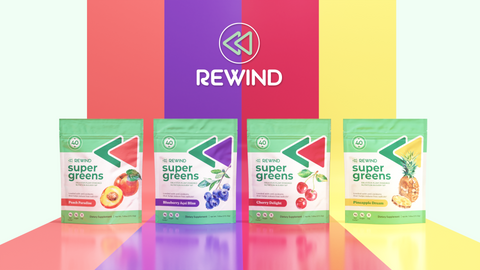

Cherry Delight
$39.99

Pineapple Dream
$39.99
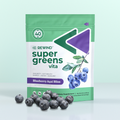
Blueberry Acai Bliss
$39.99


