

High-performance people share a paradox. They invest enormous effort in the outputs of their performance: the preparation, the execution, the follow-through, the continuous improvement. But the biological system generating those outputs, the human body running the thinking, the decisions, the physical presence, and the emotional regulation that performance demands, often receives far less intentional investment than the work itself. This creates a predictable pattern: exceptional output for a period, followed by a degradation in cognitive clarity, emotional resilience, or physical health that high achievers often attribute to the stage of their career rather than to the nutritional depletion their lifestyle creates.
High-performance environments, whether in executive leadership, medicine, law, entrepreneurship, elite athletics, or any field where sustained excellence under pressure is the expectation, create specific and documented physiological demands. Chronic stress depletes specific nutrients. Sleep compression reduces the repair time that performance sustainability depends on. Irregular meal timing and convenience food reliance create micronutrient gaps that accumulate into performance deficits. A daily super greens drink addresses the nutritional dimension of high-performance life in a format that fits the lifestyle: 30 seconds, every morning, before the day's demands arrive.
Not all stress is created equal. The stress of high-performance professional environments has specific characteristics that distinguish it from the acute, episodic stress of everyday life. It is persistent rather than episodic. It involves sustained demand on executive function, decision-making, and emotional regulation simultaneously. It typically includes high stakes, where the consequences of errors are significant, which elevates cortisol reactivity above what lower-stakes situations would produce. And it frequently involves the combination of high cognitive demand with compressed sleep, irregular eating, and limited physical activity that would make even a moderate stress load more biologically costly.
This combination creates a predictable nutritional pattern. Chronic cortisol elevation increases the renal excretion of magnesium, one of the minerals most important for nerve function, sleep quality, and the modulation of the stress response itself. High cognitive workload burns through B vitamins as cofactors for the energy pathways that neurons depend on. Immune suppression from sustained stress reduces resistance to the infections that circulate in shared offices, airports, and conference venues. And the adrenal demand of sustained cortisol production depletes Vitamin C from the adrenal glands faster than typical dietary intake replaces it.
The degradation is typically gradual and is frequently misattributed. Decision quality declines as B vitamin depletion slows the cellular energy production that prefrontal cortex function requires. Emotional reactivity increases as magnesium deficiency makes the nervous system less well-regulated and more sensitive to stressors. Cognitive endurance shortens as adaptogen deficiency allows the HPA axis to run less efficiently, producing greater fatigue from the same cognitive load. Immune function weakens as zinc and Vitamin C depletion impair the cellular defense systems that prevent viral and bacterial infections from taking hold.
The high achiever experiencing these changes typically responds by working harder, sleeping less, and consuming more caffeine, all of which worsen the underlying nutritional deficits. The solution that most conventional performance optimization conversations miss entirely is nutritional: addressing the specific micronutrient gaps that high-performance stress creates is often the most direct route to restoring the performance baseline that effort and determination alone cannot recover.
Adaptogens are a category of plant compounds with a specific and clinically documented mechanism: they raise the body's nonspecific resistance to physical, chemical, and biological stressors without producing stimulation or sedation at normal doses. This mechanism, which researchers have characterized as raising the stress threshold rather than suppressing the stress response, is uniquely suited to the high-performance context. High achievers cannot eliminate their stressors. They need to perform through them, consistently and at high level, without the oscillating energy that stimulants and sedatives create.
Siberian Ginseng (Eleutherococcus senticosus) has the most robust research base specifically in the context of performance under demanding conditions. Research published by Soviet military scientists in the mid-twentieth century, and confirmed by subsequent Western clinical trials, found that Siberian Ginseng significantly improved sustained attention, mental performance under fatigue, and physical endurance in populations subjected to sustained high-demand conditions. These effects operate through HPA axis normalization, stress hormone regulation, and mitochondrial biogenesis support, creating a broader stress resilience capacity rather than an acute stimulant effect.
Astragalus Root complements Siberian Ginseng with immune support that is particularly relevant for high achievers whose immune systems face the combined pressure of travel, sleep compression, and chronic cortisol suppression. Research has documented Astragalus's ability to support immune function even in immunologically challenged populations, and its telomere-supporting properties add a cellular longevity dimension to its acute adaptogenic benefits. Together, these two adaptogens in a daily greens formula address both the immediate performance demands and the longer-term sustainability of the high-performance biological system.
Ginkgo Biloba Powder has the most specifically documented clinical evidence for the cognitive functions most central to executive performance: sustained attention, working memory, processing speed, and cognitive flexibility. Its primary mechanism is cerebrovascular, supporting the blood flow that delivers oxygen and glucose to the prefrontal cortex and hippocampus at the rates that sustained high-level cognitive work demands. Research in working-age adults has found significant improvements in memory consolidation, attention, and cognitive processing speed from consistent Ginkgo supplementation, making it one of the most evidence-based plant compounds for cognitive performance support.
The B vitamins from Spirulina address the energy metabolism side of cognitive performance. Neurons are exclusively dependent on glucose for energy, and the efficiency with which they convert glucose to ATP depends directly on the availability of B vitamin cofactors in the energy pathway enzymes. When B vitamin status is suboptimal, which research documents is common in people under chronic high-stress conditions with imperfect diets, the efficiency of neuronal energy production declines and the subjective experience is the familiar cognitive fog of a brain running below capacity. Consistent daily B vitamin support from Spirulina maintains the metabolic efficiency on which cognitive clarity depends.
The brain consumes approximately 20 percent of the body's total oxygen use despite comprising only 2 percent of body weight. This extraordinary metabolic rate makes the brain one of the most oxidatively stressed tissues in the body, with particularly high free radical production in the mitochondria powering neuronal activity. Chronic high cognitive demand elevates this oxidative burden, and the brain's own antioxidant defense systems, while robust, are susceptible to the same depletion from chronic demand that affects other high-metabolic tissues.
The anthocyanins from Blueberry Powder and Bilberry Fruit Extract are among the most brain-relevant antioxidants available, specifically because they are able to cross the blood-brain barrier and directly scavenge free radicals in neural tissue. Research on berry anthocyanin intake and cognitive performance has found consistent benefits for memory, processing speed, and executive function in working-age adults, with the effects most pronounced in people with higher cognitive demands and baseline stress. Combined with the Ginkgo Biloba cerebrovascular support and the EGCG from Green Tea Extract, the greens formula's antioxidant network provides multilayered neurological protection for the high-performance brain.
High achievers are, by definition, people who prioritize outputs. Their time allocation reflects what produces visible results, and nutrition, which produces cumulative invisible results rather than immediate visible ones, loses consistently in that competition. The person who wakes at 5:30 AM to check market data before others are awake is the same person who skips breakfast or grabs a coffee as their only morning nutrition because they have already decided where the first 90 minutes of their day are going.
This is precisely why the 30-second morning greens habit is such a good fit for the high-achieving personality. It is not a commitment to better eating, a meal prep routine, or a dietary overhaul. It is a single daily action that requires less time than signing an email and delivers more nutritional value per unit of time than virtually any other nutritional investment available. The ROI-focused mind of the high achiever, applied to nutrition, should find the math immediately compelling: 30 seconds, 365 days a year, delivers the consistent micronutrient foundation on which all other performance investments are made.
The clinical evidence for adaptogens in the specific context of performance under sustained demand is among the most practically relevant in the plant-compound research literature.
High performance is a biological enterprise. Every decision, every presentation, every negotiation, every creative breakthrough is generated by a biological system that runs on nutrients, recovers through sleep, and degrades under sustained pressure without adequate nutritional support. The most successful professionals understand that the biological system is not separate from the professional output. It is the system producing it.
A daily greens drink addresses the nutritional dimension of high-performance sustainability with the specificity that the context demands: Siberian Ginseng and Astragalus for adaptogenic stress resilience. Ginkgo Biloba for cerebral blood flow and cognitive endurance. B vitamins from Spirulina for neuronal energy metabolism. Quercetin and Resveratrol for the antioxidant protection that sustained cognitive demand and chronic cortisol create the need for. Acerola Vitamin C for adrenal function. Thirty seconds. Every morning. Before the day claims you. The most productive investment you will make before your first meeting.
The first improvements most high achievers notice are in sleep quality and morning energy, typically within two to four weeks of consistent use. Cognitive endurance improvements, the ability to sustain high-quality thinking for longer without the same afternoon degradation, tend to emerge over four to eight weeks. The adaptogenic stress resilience effects build most noticeably over three to six months of daily use. The pattern is consistent across all nutritional interventions: the earliest improvements reflect correction of acute deficiencies, and the deeper performance benefits emerge as the adaptogenic and cumulative nutritional support compounds over time.
No. There is no nutritional substitute for adequate sleep, and anyone claiming otherwise is selling something. What consistent greens use does is improve the quality and restorative efficiency of the sleep you do get, through magnesium support for GABA-mediated sleep architecture and adaptogenic support for the cortisol regulation that determines how completely the body recovers during sleep. Better sleep quality reduces the performance deficit created by compressed sleep duration, even though it cannot eliminate the biological cost of genuine sleep deprivation.
Many high achievers discover over several weeks of consistent greens use that their dependence on multiple daily cups of coffee gradually reduces. This happens because the B vitamin and magnesium replenishment addresses some of the underlying fatigue that caffeine was masking rather than resolving, and the Green Tea Extract in the greens formula provides a moderate caffeine dose with a smoother, more sustained alertness curve than a large coffee produces. This is not a guaranteed outcome, but it is a pattern frequently reported by high-performance greens users.
Taking your greens drink in the first 20 to 30 minutes after waking, before any food or coffee, delivers the adaptogens, B vitamins, Ginkgo Biloba, and Green Tea Extract into your system during the cortisol awakening response peak, the period of highest natural cortisol that prepares the body and brain for the day. Having these compounds circulating during this cortisol peak means they are available at the moment when the day's demands begin to engage the systems they support. Morning timing also creates the most reliable habit anchor for the high-achieving personality type, where the scheduled nature of the early morning ritual supports consistency better than variable-time approaches.
Stick to the standard daily serving rather than increasing the dose during high-demand periods. The adaptogenic and nutritional benefits of a greens drink are cumulative and depend on consistent daily intake, not on dose escalation during acute high-demand windows. What should increase during especially demanding periods is the intentionality around consistency: the greens habit is most valuable precisely when the temptation to skip it because of time pressure is highest. A missed serving during a high-demand week has a cost that a double serving the following day cannot fully offset.
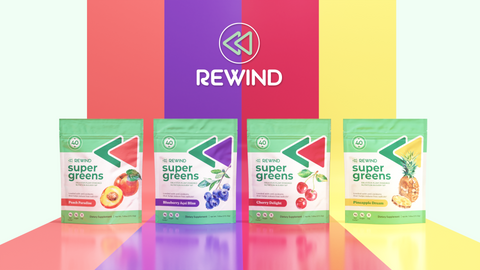
Cherry Delight
$39.99

Pineapple Dream
$39.99
Blueberry Acai Bliss
$39.99


