

Nutrition after 65 is not the same as nutrition at 35, and treating it as though it is leads to some of the most common and most preventable health declines associated with aging. The physical changes that occur in the digestive system, the kidneys, the skin, and the hormonal systems from the mid-60s onward create a nutritional reality that is genuinely different: more demands on certain nutrients, less efficient absorption of others, smaller appetite reducing total intake, and a higher baseline of chronic disease risk that makes micronutrient adequacy more rather than less important.
Research consistently documents that adults over 65 have higher rates of micronutrient deficiency than younger populations, even when caloric intake appears adequate and diet quality is reasonably good. The gap between what older adults need and what they actually absorb from food is real, well-documented, and has measurable consequences for energy, immunity, cognitive function, muscle maintenance, and bone health. A daily super greens drink addresses this gap in a format specifically suited to the nutritional reality of aging: concentrated, nutrient-dense, quick to prepare, and deliverable regardless of appetite variability or meal irregularity.
Gastric acid production declines progressively with age, reducing the ability of the stomach to release nutrients bound in food proteins and to create the acidic environment required for optimal absorption of several critical minerals including iron, calcium, zinc, and magnesium. Research has found that up to 30 percent of older adults have atrophic gastritis, a condition of chronically reduced gastric acid secretion that significantly impairs the absorption of Vitamin B12 from food, even when dietary B12 intake appears adequate.
Small intestinal function also changes with age. The surface area available for nutrient absorption decreases as intestinal villi become less dense. The transport proteins that carry nutrients across the intestinal wall decline in number and activity for several key minerals. And the transit time of food through the small intestine may change, altering the window during which maximum absorption can occur. Together these changes mean that an older adult eating the same foods as a younger adult may absorb meaningfully less of the iron, zinc, magnesium, and B vitamins from those foods.
Sarcopenia, the age-related loss of muscle mass and function, accelerates significantly after 60 and is one of the most important determinants of physical independence, fall risk, metabolic rate, and quality of life in older adults. The rate at which sarcopenia progresses is directly influenced by both protein intake and the micronutrient status that enables protein to be effectively used for muscle maintenance. Vitamin D supports muscle fiber contractility and the muscle protein synthesis response to exercise. Magnesium supports the ATP energy pathways in muscle cells. Iron maintains the oxygen delivery that muscle activity demands. And Vitamin C is required for the collagen synthesis that maintains the connective tissue infrastructure of muscle attachment.
An older adult whose micronutrient status is suboptimal in any of these categories loses muscle more rapidly than one whose nutritional foundation is intact, even when protein intake and physical activity are equivalent. This is the micronutrient dimension of sarcopenia that is frequently missed in conversations about aging and muscle health that focus primarily on protein grams per day.
Immunosenescence, the progressive decline in immune function associated with aging, has a significant nutritional component. Research has documented that older adults with deficiencies in zinc, Vitamin C, Vitamin E, selenium, and B vitamins have measurably more impaired immune responses than those with adequate status of these nutrients. The thymus, which produces naïve T cells and is central to adaptive immune function, shrinks significantly with age, reducing the immune system's capacity to mount responses to novel threats. Nutritional adequacy cannot reverse thymic involution, but it does determine how effectively the immune system that remains can function.
Zinc from Spirulina is particularly relevant here. Zinc is required for the function of over 300 enzymes in the immune system, and zinc deficiency is among the most common micronutrient deficiencies in older adults, found in studies to affect 30 percent or more of community-dwelling older adults. The consistent daily zinc contribution from Spirulina in a greens drink supports the immune enzymatic machinery that age and suboptimal nutrition are otherwise gradually impairing.
Spirulina is the single most broadly relevant ingredient in a greens formula for older adults. Its concentrated B-vitamin content supports the methylation cycle that governs DNA repair, neurotransmitter production, and homocysteine regulation, all of which become more nutritionally demanding with age. Its food-matrix iron supports oxygen delivery and energy metabolism that decline with sarcopenia and reduced physical activity. Its complete amino acid profile contributes a modest but meaningful addition to the daily protein pool required for muscle maintenance. And its comprehensive mineral content, including zinc, magnesium, and potassium, supports the multiple enzymatic and electrolyte functions that age-related dietary insufficiency frequently compromises.
Acerola Extract provides Vitamin C in a food-matrix form that research has found more bioavailable than synthetic ascorbic acid, making it particularly valuable for older adults whose gastric acid decline may impair the absorption even of synthetic supplement forms. Vitamin C's role in collagen synthesis for connective tissue maintenance, its adrenal support function, and its essential role in immune defense make it a foundational daily nutrient for older adults whose fresh fruit and vegetable intake is often below optimal.
Ginkgo Biloba Powder has the most robust body of clinical research specifically in older adult populations of any ingredient in a standard greens formula. Its mechanisms of supporting cerebral blood flow and the oxygenation of brain tissue are directly relevant to the cognitive changes associated with aging. Research has found that Ginkgo supplementation in older adults produces measurable improvements in memory, processing speed, and sustained attention, with effects more pronounced in individuals with measurably reduced cerebral circulation. For adults over 65 managing the cognitive changes that come with aging, the consistent daily Ginkgo support from a greens drink provides a genuinely evidence-based contribution to the nutritional dimension of brain health maintenance.
Siberian Ginseng and Astragalus Root address two aspects of aging physiology that are often overlooked in nutritional conversations about older adults. Siberian Ginseng supports adrenal function and physical endurance that both decline with age, and its adaptogenic support for HPA axis regulation helps moderate the cortisol dysregulation that chronic low-level stress and sleep disruption create in older adults. Astragalus Root has attracted research interest for its telomere-supporting properties, with documented activation of telomerase, the enzyme that maintains telomere length. Telomere length is a biological marker of cellular aging, and consistent Astragalus use may support the cellular renewal capacity that declines with age.
Appetite declines with age through multiple mechanisms: reduced gastric distension sensitivity, hormonal changes in appetite regulation, and medication effects that reduce hunger. The consequence is that older adults typically eat less food by volume than younger adults while having equal or higher requirements for several key micronutrients. This creates a genuine nutritional density challenge: more nutrients needed from less food.
A greens drink solves this challenge more efficiently than any equivalent volume of whole food. A single 8-ounce serving delivers a concentrated array of plant compounds, vitamins, minerals, and adaptogens that would require consuming many times its volume in whole food to approximate. For older adults managing reduced appetite, limited mobility that makes food preparation more difficult, or simply the practical challenges of eating well consistently at this stage of life, the concentrated convenience of a daily greens drink is not merely a preference. It is a genuinely meaningful practical advantage.
Yes. Because gastric acid declines with age and may impair the release of some nutrients from food matrices, taking a greens powder with a small amount of food rather than on an empty stomach may support more complete absorption, particularly for the fat-soluble components of the formula including Lutein and Carrot Powder beta-carotene. Adding a small amount of dietary fat, even just a handful of nuts or a tablespoon of nut butter, with the morning greens drink improves the absorption of these fat-soluble plant compounds meaningfully. This is a simple adaptation that can noticeably improve the nutritional value of the daily habit.
The nutritional vulnerability of older adults and the importance of daily micronutrient support for healthy aging are among the most consistently documented findings in nutritional gerontology.
Aging changes nutrition in ways that most people are not prepared for. The digestive efficiency that made food an adequate source of all required nutrients in younger years declines with age, creating gaps between what is needed and what is absorbed that accumulate silently until they produce measurable consequences in energy, immunity, muscle function, cognitive clarity, and bone health. These gaps are common, well-documented, and largely preventable with the right nutritional support.
A daily greens powder is one of the most practical and nutritionally comprehensive tools available for addressing these gaps at any age, but it is particularly well-matched to the needs of adults over 65. Concentrated nutrients in a format that requires no cooking and takes 30 seconds to prepare. Spirulina's B vitamins, iron, and zinc addressing the exact micronutrients most commonly deficient in older adults. Ginkgo Biloba supporting cerebral blood flow and cognitive function. Astragalus providing cellular support. Acerola Vitamin C maintaining the collagen and immune systems that aging steadily challenges. One serving. Every morning. The nutritional foundation that good aging depends on.
Most adults over 65 take one or more prescription medications, and checking for potential interactions is appropriate before adding any daily supplement. The most relevant interaction to be aware of involves Vitamin K from leafy green ingredients and warfarin, a common blood thinner. Anyone taking warfarin should consult their physician before starting a daily greens drink, as the Vitamin K content may affect anticoagulation management. For most other common medications in older adults, no significant interaction with greens powder ingredients has been documented.
Greens powder provides a modest protein contribution, primarily from Spirulina which is approximately 60 to 70 percent protein by dry weight. A standard serving typically provides 2 to 5 grams of complete plant protein, which adds meaningfully to the daily protein pool but is not sufficient as a primary protein source. Older adults aiming for 1.2 grams of protein per kilogram of body weight daily should ensure they have dedicated protein sources at meals alongside the greens drink, rather than relying on it for their protein needs.
Yes, in cases where that fatigue has a nutritional component, which research suggests is common in older adults. Iron deficiency reduces oxygen delivery and produces fatigue that sleep cannot fix. B-vitamin deficiencies slow the cellular energy pathways that determine metabolic efficiency. Magnesium deficiency impairs the ATP energy cycle. Addressing all of these through the consistent daily Spirulina, Barley Grass, and Wheatgrass inputs of a greens drink can meaningfully improve energy levels over weeks of consistent use in older adults whose fatigue is partly rooted in these micronutrient gaps.
No. The standard adult serving is appropriate for adults over 65 as well as younger adults. Older adults do not need a higher dose, but they may benefit from closer attention to the absorption-supporting practice of taking the greens drink with food containing some dietary fat, which improves the bioavailability of fat-soluble plant compounds. The daily consistency of use matters far more than the dose size for achieving meaningful nutritional benefit.
A greens drink differs from a standard multivitamin in several important ways. It delivers nutrients in food-matrix form from whole plant sources rather than as isolated synthetic compounds, which research suggests may support better bioavailability for some nutrients. It provides plant polyphenols, antioxidants, and adaptogenic compounds that multivitamins do not contain. And it provides its nutritional contribution in a liquid format that may be easier for older adults with swallowing difficulties than multiple capsules. A greens drink is not an exact multivitamin substitute, but it addresses many of the same micronutrient gaps through a more food-based nutritional approach.
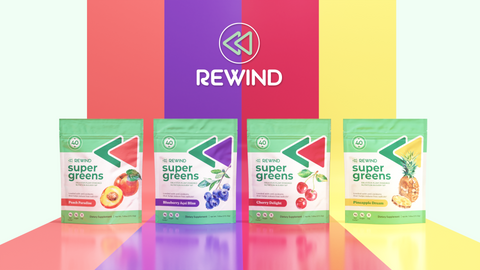
Cherry Delight
$39.99

Pineapple Dream
$39.99
Blueberry Acai Bliss
$39.99


