

Hormones are the chemical messengers that coordinate virtually every process in the human body. Energy metabolism, sleep cycles, reproductive function, stress response, mood, appetite, and immune activity are all regulated by hormones or by the signaling networks that hormones control. When hormonal balance is disrupted, the effects ripple across multiple systems simultaneously, which is why hormonal imbalances rarely produce single, isolated symptoms. They tend to create clusters of changes in energy, mood, body composition, sleep quality, and overall resilience that can be difficult to trace back to their source.
Nutrition is deeply involved in hormonal health. Specific micronutrients are required cofactors for hormone synthesis. Macronutrient balance affects the insulin and glucagon dynamics that regulate glucose and fat metabolism. Plant compounds including adaptogens and polyphenols interact with the hormonal signaling systems in ways that are increasingly well-documented in research. This blog explains the honest, evidence-based connection between daily plant nutrition from a greens powder and the hormonal systems that matter most to everyday wellbeing.
Hormone synthesis and regulation depend on a precise supply of specific micronutrients at every stage of the process. Zinc is required for the production of over 300 enzymes involved in hormone metabolism, including the synthesis and conversion of testosterone and estrogen. Research has documented direct associations between zinc status and sex hormone levels in both men and women, with zinc deficiency consistently associated with impaired reproductive hormonal function. The Spirulina in a daily greens powder is one of the most zinc-dense plant foods available, providing meaningful zinc support as part of a daily routine.
Magnesium is required for the hypothalamic-pituitary-adrenal axis regulation that controls cortisol, the primary stress hormone. When magnesium falls, cortisol regulation becomes less precise, with cortisol tending to run higher and longer than the stress situation warrants. High chronic cortisol suppresses the reproductive hormones estrogen, progesterone, and testosterone, disrupts thyroid function, and impairs insulin sensitivity. Barley Grass and Wheatgrass in a greens powder provide food-matrix magnesium that supports the HPA axis calibration that underlies healthy hormonal balance across all systems.
Hormones are synthesized in specialized tissues, primarily the adrenal glands, gonads, and thyroid, that are among the most metabolically active and therefore the most exposed to oxidative stress in the body. Excessive oxidative stress in these tissues impairs the enzymatic processes of hormone synthesis, reduces the sensitivity of hormone receptors in target tissues, and accelerates the breakdown of circulating hormones. The antioxidant-dense ingredients in a greens formula, including Acerola Extract for Vitamin C, Green Tea Extract for EGCG catechins, Resveratrol, Quercetin, and Blueberry Powder anthocyanins, collectively reduce the oxidative burden on the endocrine tissues responsible for hormone production.
Cortisol is the most nutritionally sensitive hormone in the body because its synthesis depends directly on Vitamin C, which the adrenal glands concentrate at the highest tissue levels in the body for exactly this purpose. When daily Vitamin C intake is insufficient, adrenal function becomes less efficient, and cortisol production and clearance become less well-regulated. The Acerola Extract in a daily greens powder provides food-matrix Vitamin C daily, supporting the adrenal function that underlies precise cortisol regulation.
Beyond Vitamin C, the adaptogenic herbs Siberian Ginseng and Astragalus Root both demonstrate HPA axis regulatory effects in research, specifically supporting the feedback mechanisms that prevent cortisol from remaining chronically elevated after the stressor has passed. This regulatory, normalizing effect on cortisol is particularly relevant for the downstream hormonal balance that cortisol disrupts when it runs chronically elevated, including the suppression of thyroid hormone conversion, the blunting of reproductive hormones, and the impairment of growth hormone release during sleep.
The body operates a hormonal hierarchy in which survival-related hormones like cortisol take priority over reproductive hormones when resources are perceived as scarce. Under chronic stress, with cortisol persistently elevated, the body downregulates estrogen, progesterone, and testosterone production as part of a resource allocation that prioritizes the perceived emergency. This is why chronic stress is one of the most consistent drivers of disrupted menstrual cycles in women, low libido and testosterone decline in men, and impaired fertility in both sexes.
Addressing cortisol dysregulation through the combined approach of magnesium adequacy, Vitamin C adrenal support, and adaptogenic HPA axis regulation represents the most practical plant-nutrition strategy for supporting downstream reproductive hormonal balance. A greens powder does not directly raise or lower sex hormones, but it addresses the upstream cortisol dynamics that create the suppressive hormonal environment that chronic stress produces.
The gut microbiome plays a direct role in hormonal metabolism through several mechanisms. The estrobolome, the collection of gut bacteria that metabolize estrogens, regulates the enterohepatic circulation of estrogen, determining how much is reactivated and recirculated versus excreted. Gut dysbiosis with reduced estrobolome diversity is associated with estrogen imbalance, with some research finding associations with both estrogen deficiency and estrogen dominance patterns depending on the specific dysbiosis involved.
The prebiotic fiber from Inulin and Apple Pectin in a daily greens powder supports beneficial gut bacteria, including the Lactobacillus and Bifidobacterium species most involved in healthy estrogen metabolism. By supporting microbiome diversity and composition through consistent daily prebiotic intake, a greens routine contributes to the gut-based hormonal regulation that most nutritional approaches overlook entirely.
Yes, through two documented mechanisms. First, the gut microbiome is involved in the conversion of inactive T4 thyroid hormone to active T3, the form that actually acts on target tissues throughout the body. Gut dysbiosis can impair this conversion, contributing to symptoms of thyroid under-activity even in people with normal blood T4 levels. Second, gut permeability, maintained by the prebiotic support of beneficial bacteria, protects against the leakage of bacterial fragments into the bloodstream that triggers immune activation potentially targeting thyroid tissue. A well-supported gut microbiome from consistent prebiotic intake is therefore a meaningful indirect contribution to thyroid hormonal health.
The relationship between dietary micronutrients and hormonal function is documented across multiple clinical populations.
Hormonal health is nutritionally upstream from almost every aspect of daily wellbeing. Energy, mood, sleep quality, metabolic rate, body composition, resilience, and reproductive function are all shaped by the hormonal signals that nutrition directly influences. A daily greens powder does not act as a hormonal therapy or a pharmaceutical intervention in any hormonal system. What it does is provide the micronutrient cofactors that hormone synthesis requires, the oxidative protection that endocrine tissues need to function optimally, the adaptogenic support that moderates chronic cortisol dysregulation, and the prebiotic fiber that supports the gut microbiome's role in hormonal metabolism.
This is the kind of nutritional support that works quietly, cumulatively, and foundationally. Not as a dramatic hormonal reset, but as the daily nutritional foundation that keeps the systems responsible for hormonal balance properly resourced to do their jobs well.
A greens powder provides nutritional support for the systems involved in hormone production and regulation, which may be beneficial as part of a broader approach to hormonal wellbeing. It is not a treatment for diagnosed hormonal conditions, and anyone experiencing significant hormonal symptoms should consult their healthcare provider for appropriate evaluation and treatment. Nutritional support works best as a foundation alongside, not as a replacement for, medical care where needed.
Research on Siberian Ginseng as an adaptogen has documented its ability to support the HPA axis feedback mechanisms that regulate cortisol, helping to prevent cortisol from remaining chronically elevated after stress. This normalizing rather than suppressing effect on cortisol is more appropriate for long-term daily use than supplements that directly block cortisol production. The effects build over several weeks of consistent daily use.
Magnesium plays several important roles in female hormonal health, including supporting progesterone production, modulating the prostaglandins that influence menstrual discomfort, and supporting the HPA axis regulation that prevents cortisol from suppressing estrogen and progesterone. Research has found associations between low magnesium status and premenstrual symptoms, and supplemental magnesium has shown modest benefits for mood-related premenstrual symptoms in clinical trials.
Indirectly, through several mechanisms. The prebiotic fiber from Inulin supports the gut microbiome involved in T4 to T3 thyroid hormone conversion. The antioxidant compounds in the formula reduce oxidative stress in thyroid tissue. The selenium-containing ingredients may support thyroid peroxidase enzyme function. However, a greens powder is not a thyroid supplement and anyone with diagnosed thyroid conditions should consult their healthcare provider about appropriate nutritional support.
Yes. Men's hormonal health, particularly testosterone maintenance, cortisol regulation, and the HPA axis balance that underpins both, depends on the same micronutrient foundations. Zinc adequacy is directly linked to testosterone levels in men, and research has found that zinc supplementation raises testosterone in men who were zinc-deficient. The magnesium, Vitamin C, and adaptogenic support in a greens formula are equally relevant to the cortisol-testosterone balance that determines male energy, body composition, and reproductive hormonal health.
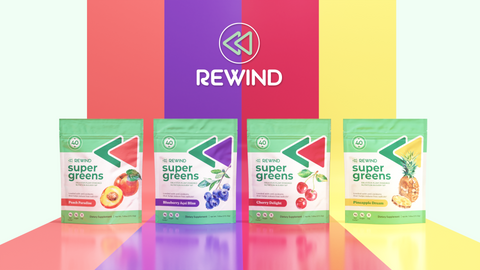

Cherry Delight
$39.99

Pineapple Dream
$39.99
Blueberry Acai Bliss
$39.99


