

Probiotics have become one of the most widely purchased supplements in the world. Billions of people take them daily in capsule form, through fermented foods like yogurt and kefir, and through an expanding range of functional food products. The interest makes sense. The research connecting gut bacteria to health outcomes far beyond the digestive tract has transformed how the medical community thinks about the gut, and the finding that specific bacterial strains can influence everything from immune function to mood to metabolic health has made probiotics a mainstream wellness priority.
What most probiotic users do not fully consider is the role that the broader gut environment plays in determining whether their good bacteria survive, multiply, and exert the health effects research has associated with them. Probiotic bacteria do not exist in isolation. They live in an ecosystem shaped by diet, stress, inflammation, and the compounds the gut encounters every day. A daily super greens drink is not a probiotic product, but it does influence the gut environment in ways that research has found directly relevant to the health and activity of beneficial bacterial populations. This blog explains what probiotics actually do, why the gut environment matters for their effectiveness, and which specific compounds in a greens formula support the conditions where good bacteria are most likely to thrive.
Probiotics are live microorganisms that, when consumed in adequate amounts, confer health benefits on the host. The most studied genera are Lactobacillus and Bifidobacterium, with specific strains within each genus having distinct documented effects. These bacteria exert their benefits through several mechanisms: competing with and displacing pathogenic bacteria for adhesion sites on the intestinal wall; producing short-chain fatty acids, particularly butyrate, that fuel colonocytes and maintain intestinal barrier integrity; modulating immune responses through direct interaction with gut-associated immune tissue; producing antimicrobial compounds called bacteriocins that suppress pathogenic bacterial growth; and generating neurotransmitter precursors that influence the gut-brain axis.
The effectiveness of probiotics, however, is not simply a matter of consuming enough of the right strains. The gut environment into which probiotic bacteria are delivered determines how well they adhere to the intestinal wall, how effectively they compete with existing microbial populations, and whether the local conditions allow them to multiply and remain active. A gut environment characterized by high oxidative stress, chronic inflammation, or a dominance of pathogenic microorganisms is less hospitable to probiotic activity than one with lower inflammation and a balanced existing microbial community.
The gut-brain axis is a bidirectional communication network connecting the enteric nervous system, the gut immune system, the gut microbiome, and the central nervous system through neural, endocrine, immune, and metabolic pathways. Beneficial gut bacteria influence this axis primarily by producing short-chain fatty acids, modulating the vagus nerve signaling that runs between the gut and brain, and producing or influencing the production of neurotransmitter precursors including serotonin, GABA, and dopamine.
Research has found that the composition of the gut microbiome measurably influences anxiety, mood, stress reactivity, and even cognitive performance through gut-brain axis signaling. This is why supporting the conditions for beneficial bacteria to thrive has implications that extend well beyond digestive comfort. When probiotic bacteria are active and effective, the gut-brain signals they generate contribute to the emotional and cognitive dimensions of wellbeing, making the gut environment a factor in mental resilience as well as physical health.
Yes, and this is one of the most important and underappreciated nutritional findings of the past decade. Dietary polyphenols, which reach the large intestine largely unabsorbed because most are not directly taken up in the small intestine, are metabolized by specific gut bacteria. This creates a selective nutritional relationship: the bacteria that have the enzymatic capacity to metabolize specific polyphenols are enriched by consistent dietary polyphenol intake, while those that cannot metabolize them are not selectively enriched.
The polyphenols that research has most consistently associated with supporting beneficial bacterial populations include quercetin, resveratrol, EGCG from green tea, and anthocyanins from blueberry and bilberry. Bifidobacterium and Lactobacillus, the two genera most consistently associated with health benefits and most commonly used in probiotic products, have demonstrated capacity for quercetin and resveratrol metabolism in research. Consistent daily intake of these polyphenols from a greens formula creates a gut environment where the polyphenol metabolizers, which are the same bacteria used as probiotics, are selectively enriched through nutritional means rather than supplemental delivery alone.
Green Tea Extract's EGCG catechins have documented selective effects on gut bacterial populations. Research has found that EGCG inhibits the growth of certain pathogenic bacteria including Clostridium difficile, Fusobacterium nucleatum, and several Enterobacteriaceae species, while having a neutral or mildly stimulatory effect on Lactobacillus and Bifidobacterium. This selective antimicrobial activity shifts the gut microbiome toward a higher ratio of beneficial to pathogenic species without the broad-spectrum disruption that conventional antibiotics produce.
EGCG also reduces the oxidative stress within the gut environment that impairs the activity and survival of beneficial bacteria. The gut epithelium, particularly in the colon, is a high-metabolic-rate tissue with significant oxidative stress exposure. When that oxidative burden is reduced by dietary antioxidants, the conditions that beneficial bacteria operate in become more stable and hospitable, supporting their colonization and activity. This makes the antioxidant effect of Green Tea Extract relevant to gut bacterial health in a way that extends beyond its better-known systemic antioxidant actions.
Spirulina's contribution to the gut bacterial environment operates through several pathways. Its phycocyanin pigment has documented anti-inflammatory effects in the gut, reducing the pro-inflammatory cytokine signaling that creates conditions hostile to beneficial bacterial populations. Research has also found that Spirulina polysaccharides promote the growth of Lactobacillus and Bifidobacterium populations in the large intestine, acting through a nutritional mechanism rather than a prebiotic fiber pathway.
Spirulina's antimicrobial properties work selectively against pathogenic bacterial species while supporting the growth of beneficial populations. Studies examining Spirulina supplementation have found increases in Lactobacillus abundance and reductions in potentially pathogenic Bacteroides and Clostridium species in the gut microbiome. For someone supplementing with probiotic products, the Spirulina contribution to a greens drink helps create a gut environment where the probiotic strains being delivered have a greater likelihood of establishing themselves effectively.
Both Resveratrol and Quercetin Dihydrate influence gut bacterial populations through their polyphenol-metabolizing bacterial interactions. Resveratrol is metabolized in the large intestine by specific bacterial species, and consistent Resveratrol intake has been found in research to increase Bifidobacterium longum and Lactobacillus acidophilus populations while reducing potentially inflammatory Bacteroides species. This effect operates through a direct nutritional enrichment of the bacterial populations most closely associated with gut barrier integrity and anti-inflammatory short-chain fatty acid production.
Quercetin Dihydrate reduces the gut inflammatory environment through NF-kB inhibitory mechanisms in gut epithelial cells, creating a lower-inflammation gut lining that is more supportive of beneficial bacterial colonization. It also has direct inhibitory effects on some pathogenic gut bacteria through disruption of bacterial cell membrane integrity, creating space for beneficial species to establish. The combined effect of Resveratrol and Quercetin operating together in a daily greens formula represents a multi-mechanism approach to supporting the gut conditions where probiotic bacteria are most effective.
The logic is straightforward. A probiotic supplement delivers live beneficial bacteria to the gut in large numbers. Whether those bacteria survive the gastric environment, adhere to the intestinal wall, and establish themselves in meaningful numbers depends heavily on the gut environment they encounter. A greens drink taken daily creates a gut environment with lower oxidative stress, reduced pathogenic bacterial competition, and higher concentrations of the polyphenol substrates that beneficial bacteria preferentially metabolize. The two products work through different mechanisms that are additive rather than overlapping.
Timing matters for this combination. Taking your greens drink in the morning and your probiotic supplement at a consistent time each day, typically either morning or evening depending on the specific product instructions, ensures that the gut environment benefits of the greens formula are continuously maintained. The polyphenol-modulated gut environment created by daily greens use provides the conditions in which probiotic bacteria are most likely to exert the health effects that research has documented for them.
No. A greens drink does not deliver live bacterial cultures and therefore cannot replace the specific strain-dependent probiotic effects of a dedicated probiotic supplement. What it does is support the gut conditions that make both your body's native beneficial bacteria and any supplemental probiotic bacteria more effective. Think of the greens as environmental management for your gut and the probiotic supplement as the specific bacterial input. Both have distinct roles, and neither replaces the other.
The relationship between probiotic bacteria, gut microbiome health, and the gut-brain axis is supported by an extensive and growing body of research.
Probiotics are a valuable and evidence-based tool for gut health. They deliver live bacterial cultures that support digestion, immune function, gut barrier integrity, and the gut-brain axis signals that influence mood, cognition, and stress resilience. Getting the most from probiotic supplementation, however, depends on more than choosing the right strains at the right dose. It depends on the gut environment those bacteria are delivered into.
A daily greens drink supports that environment through complementary mechanisms: Green Tea Extract EGCG selectively suppresses pathogenic bacteria while maintaining an environment favorable to beneficial species. Spirulina polysaccharides and anti-inflammatory phycocyanin reduce the gut inflammatory burden. Quercetin and Resveratrol selectively enrich the polyphenol-metabolizing bacterial populations most associated with gut health. And the comprehensive antioxidant network of the formula reduces the oxidative stress in gut tissue that undermines beneficial bacterial survival and colonization. Take your probiotic. Drink your greens. Let both work together in the ecosystem they share.
Yes. There is no documented interaction between greens powder ingredients and probiotic supplement bacteria that would reduce the effectiveness of either. Some people find it convenient to take both at breakfast, while others prefer to take their greens in the morning and their probiotic at a separate time as specified on the probiotic product. Either approach is compatible. Consistency of daily timing for both matters more than the exact schedule.
Research on probiotic and dietary interventions for gut health generally shows measurable changes in gut microbiome composition within two to four weeks of consistent daily use, with functional improvements in digestion, immune markers, and mood-related outcomes typically emerging over six to twelve weeks of sustained use. The gut environment improvements from daily greens use develop cumulatively over the same timeframe. Patience and consistency with both habits are the most important factors in achieving meaningful results.
Yes, the gut environment support that a greens drink provides is equally relevant for probiotic bacteria delivered through fermented foods. Whether your Lactobacillus and Bifidobacterium come from a capsule, yogurt, kefir, or other fermented foods, the gut conditions shaped by daily polyphenol and anti-inflammatory plant compound intake influence how effectively those bacteria establish themselves and function. A greens drink in the morning alongside a yogurt or fermented food-rich diet creates a comprehensive probiotic-supportive nutritional approach.
Yes to both. Chronic psychological stress alters gut motility, changes gastric acid secretion, increases intestinal permeability, and significantly disrupts gut microbiome composition, often reducing Lactobacillus and Bifidobacterium populations specifically. The adaptogenic support from Siberian Ginseng and Astragalus Root in a greens formula helps moderate the HPA axis stress response, and the anti-inflammatory polyphenols reduce the gut inflammatory consequences of stress. This stress-resilience support makes a greens drink particularly valuable for people whose gut health suffers during high-stress periods.
Green Tea Extract EGCG has the most directly documented selective antimicrobial action favoring beneficial over pathogenic gut bacteria. Spirulina polysaccharides have demonstrated specific enrichment of Lactobacillus and Bifidobacterium in research. Quercetin Dihydrate and Resveratrol create the polyphenol substrate environment that beneficial bacteria preferentially metabolize. And the broader anti-inflammatory antioxidant network of the formula supports the gut tissue environment where all of these bacteria operate. Together they provide a multi-mechanism gut environment support package rather than a single active ingredient.
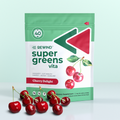
Cherry Delight
$39.99
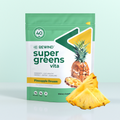
Pineapple Dream
$39.99
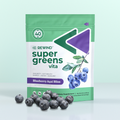
Blueberry Acai Bliss
$39.99


