

Summer outdoor activity pushes the body in ways that a comfortable indoor workout does not. When you are hiking in July heat, cycling on an exposed trail, kayaking on a sun-drenched lake, or playing a full day of recreational sports in 90-degree weather, the physiological demands extend well beyond the muscles doing the work. Heat regulation, electrolyte balance, hydration, and the management of exercise-induced oxidative stress all become significantly more demanding under high-temperature conditions, and the nutritional baseline you bring into the day has a real and measurable effect on how well your body handles all of them.
A daily super greens drink is not a sports supplement in the traditional sense. It does not deliver the acute electrolytes of a sports drink, the creatine of a strength supplement, or the stimulants of a pre-workout product. What it does provide is the consistent daily nutritional foundation that determines how well your body manages the physiological demands of summer outdoor activity over the whole season. This blog explains what hot-weather exercise actually does to the body's nutritional systems, which specific compounds in a greens formula are most relevant to outdoor performance and recovery, and how to build a daily nutrition approach that supports an active summer lifestyle.
Exercise in high temperatures creates demands that go beyond the normal metabolic cost of the same workout in cool conditions. The body must simultaneously power working muscles and manage core temperature, and the thermoregulatory demand competes with muscular demand for blood flow and cardiac output. As core temperature rises, blood flow is redistributed toward the skin for cooling through sweating and radiation, reducing the blood available for muscle oxygen delivery. Heart rate rises to compensate, and if the heat stress exceeds the body's cooling capacity, core temperature climbs further, creating a cascade of physiological effects on performance and safety.
Sweat rate increases significantly in hot conditions, and with it the loss of electrolytes including sodium, potassium, magnesium, and zinc. Research has found that sweat magnesium losses during prolonged exercise in the heat can be substantial, and that magnesium deficiency significantly impairs both cardiovascular efficiency and muscle contractile function. The Barley Grass Powder and Wheatgrass Powder in a daily greens drink provide consistent daily magnesium from food-matrix chlorophyll-bound sources, helping maintain the magnesium baseline that hot-weather performance depends on.
Every bout of physical exercise generates reactive oxygen species as a byproduct of the accelerated oxygen consumption in working muscles. The mitochondria producing ATP for muscle contractions leak a small fraction of their oxygen input as superoxide radicals, and this fraction increases with exercise intensity. At moderate exercise intensities, this oxidative burst is beneficial, acting as a signaling molecule that drives beneficial adaptations including increased antioxidant enzyme production and mitochondrial biogenesis. At high intensities, particularly sustained ones, the free radical production can outpace the endogenous antioxidant defense system and produce net oxidative damage to muscle proteins, cell membranes, and DNA.
Heat amplifies this oxidative burden through two mechanisms. First, elevated body temperature increases the rate of metabolic reactions including ROS-generating pathways, raising the baseline oxidative load above what the same exercise intensity would produce in cool conditions. Second, the UV radiation of outdoor activity generates additional cutaneous oxidative stress through photoexcitation of chromophores in skin tissue. The combined effect means that a day of outdoor summer activity creates a significantly higher total oxidative burden than equivalent indoor exercise, making the daily antioxidant support of a greens formula more, not less, important on high-activity summer days.
The antioxidant network in a comprehensive greens formula addresses exercise-induced oxidative stress through several complementary mechanisms. Quercetin Dihydrate has documented specific relevance to exercise oxidative stress management, with research finding that consistent Quercetin supplementation significantly reduces biomarkers of oxidative damage following endurance exercise. Its mechanism involves both direct free radical scavenging and activation of Nrf2, the cellular pathway that upregulates the body's own antioxidant enzyme system, which is particularly important for the sustained antioxidant protection that a full day of outdoor activity requires.
Spirulina phycocyanin has demonstrated specific anti-inflammatory and antioxidant effects in the context of exercise recovery, with clinical research finding reductions in exercise-induced inflammatory markers and oxidative stress biomarkers in supplemented athletes compared to controls. Green Tea Extract EGCG scavenges the peroxyl and hydroxyl radicals most actively generated during aerobic exercise. And the anthocyanins from Blueberry Powder and Bilberry Fruit Extract provide additional antioxidant coverage in the aqueous compartments of cells where water-soluble radical generation from exercise occurs most actively.
Lutein is the most directly sun-relevant ingredient in a greens formula for outdoor athletes and adventurers. As the primary component of the macular pigment, Lutein absorbs high-energy visible light and UV radiation before it reaches the photoreceptors of the retina, reducing the oxidative damage that sustained outdoor light exposure creates in retinal tissue. A full day of hiking, cycling, or water sports in summer sunlight represents a significant cumulative retinal light dose, and the macular pigment's density, directly determined by dietary Lutein intake, governs how much of that light is filtered rather than absorbed by sensitive photoreceptor tissue.
Consistent daily Lutein intake through a greens drink builds macular pigment density over weeks of supplementation, creating a progressively more robust natural filter against the solar light exposure that summer outdoor activity involves. This is not an acute effect from the day's dose but a cumulative benefit that builds over months of daily use, making the summer outdoor season the most nutritionally strategic time to ensure consistent daily Lutein intake.
Acerola Vitamin C serves several functions that are specifically relevant to hot-weather outdoor activity. As a water-soluble antioxidant, it provides direct free radical scavenging in the bloodstream and in the aqueous environment of cells, complementing the fat-soluble antioxidant protection of the carotenoids. Vitamin C is required for collagen synthesis, which is directly relevant to tendon and ligament health during the increased mechanical stress of hiking, running, and other high-impact summer activities. And it supports adrenal function and immune defense, both of which face increased demands from the combined physical and environmental stressors of sustained outdoor exertion in heat.
A greens drink is not a replacement for hydration during outdoor activity. The fluid and electrolyte losses from sweating in heat require active hydration throughout any session lasting more than 30 minutes, and a single morning serving of greens in water does not provide the sodium, potassium, and fluid replacement that ongoing sweat losses demand. What the greens drink does is support the mineral baseline that hydration strategies work with.
Magnesium from Barley Grass and Wheatgrass is the most relevant pre-activity mineral from a greens drink for outdoor performance, as magnesium is lost in significant quantities through sweat during hot-weather exercise and is not typically replaced by sports drinks, which prioritize sodium and potassium. Consistent daily greens intake maintains magnesium reserves above the level at which deficiency begins to impair muscle function and thermoregulation, creating a better starting point for each outdoor activity day. Take your greens in the morning before activity, hydrate actively during the session with adequate fluid and electrolyte replacement as needed, and let the greens formula's contributions operate in the background of a complete outdoor nutrition strategy.
Siberian Ginseng has been studied specifically in the context of physical endurance and performance under demanding conditions. Research on Siberian Ginseng has found consistent evidence for improved endurance performance, reduced perceived exertion, and better recovery from physical stress compared to placebo. These adaptogenic effects are particularly relevant for multi-hour outdoor adventures where sustained physical endurance and the management of cumulative fatigue are the limiting factors. The adaptogen contribution from a daily greens drink builds over weeks of consistent use, making the cumulative benefit most apparent over the course of a full active summer season rather than from a single day's dose.
The relationship between exercise-induced oxidative stress and dietary antioxidant strategies is one of the most extensively studied areas in exercise nutrition science.
Summer outdoor activity asks more of the body than indoor exercise. More heat to manage. More sweat, with more mineral loss. More UV and solar light exposure stressing the eyes and skin. More sustained physical demand on endurance and the antioxidant systems that manage the oxidative consequences of prolonged exertion. A daily greens drink does not answer all of these demands, but it addresses the nutritional foundation that determines how well your body handles them.
The Quercetin, Spirulina phycocyanin, EGCG, and anthocyanin antioxidant network provides the plant-based free radical management that hot-weather exercise demands. The Lutein builds the macular pigment that filters the summer sunlight your eyes are absorbing. The Barley Grass and Wheatgrass magnesium supports the muscle and cardiovascular function that heat stress strains. The Siberian Ginseng builds the physical endurance capacity that long outdoor adventures depend on. Take your greens every morning, all summer long. The days you feel it most will be the ones when you least expected it to matter.
Morning before activity is the most effective timing for hot-weather outdoor days. Taking your greens 30 to 60 minutes before activity ensures the antioxidants, adaptogens, and mineral contributions are circulating and available as the physical and oxidative demands of the session begin. Taking it after activity is still beneficial for recovery support but misses the opportunity to have these compounds available during the session itself. If morning timing is not possible, pre-activity remains the preferred option over post-activity alone.
Yes, though there are practical considerations. A well-sealed shaker bottle prevents leaking during active movement, and drinking greens during activity works best for lower-intensity activities like hiking rather than activities that make drinking inconvenient. The electrolyte content of a greens drink is not sufficient for active sodium replacement during prolonged hot-weather exercise, so treat it as supplementary to your primary hydration strategy rather than as a replacement for dedicated electrolyte replacement during the session.
The benefits compound over the season. The Lutein-built macular pigment density improves over weeks of consistent use, providing increasingly better solar light filtering for summer eyes. The adaptogenic support from Siberian Ginseng builds progressively greater physical endurance capacity over months. The antioxidant enzyme upregulation from consistent Quercetin and Resveratrol intake compounds over time. The person who starts their summer greens habit in June and maintains it through August arrives at late-season outdoor activities with measurably better nutritional foundations for managing heat and exertion than someone who just started.
No. The standard daily serving is the appropriate dose regardless of weather conditions or activity level. What changes with high-activity summer days is the importance of ensuring your greens habit does not slip due to schedule disruption from weekend trips or vacation travel. The consistency of the daily habit matters most during high-activity periods, not the dose size.
Individual pre-measured packets or a portable container with pre-measured scoops work well for outdoor travel and camping. Mix with cold water from a filtered water bottle, or dissolve in cold coconut water for additional natural electrolyte support. The greens powder dissolves in room temperature or cold water in about 30 seconds of stirring, requires no blender, and packs without refrigeration. Planning this ahead before multi-day outdoor adventures is the most reliable way to maintain the daily habit through the most adventure-heavy parts of summer.
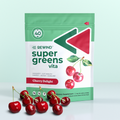
Cherry Delight
$39.99
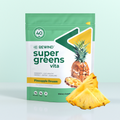
Pineapple Dream
$39.99
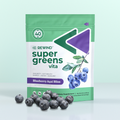
Blueberry Acai Bliss
$39.99


