

The skincare industry generates billions of dollars annually on the promise that what you apply to your skin determines how it looks and behaves. Serums, acids, retinoids, moisturizers, and a seemingly endless stream of topical innovations. Many of these products are genuinely effective for what they target. But a growing and increasingly robust body of research is pointing to something the topical skincare industry cannot fully address: much of what your skin does and how it looks begins not at the surface, but in the gut.
The gut-skin axis describes the bidirectional communication between the gut microbiome and the skin, mediated by immune signals, inflammatory molecules, neuroendocrine pathways, and circulating metabolites produced by gut bacteria. Research has now documented gut microbiome associations with acne, eczema, rosacea, psoriasis, dermatitis, and accelerated skin aging. When the gut is dysbiotic and the intestinal barrier is compromised, the systemic consequences show up on the skin in ways that no topical product can resolve from the outside in.
This blog explains the science of the gut-skin axis, which specific gut conditions produce which skin outcomes, and how the ingredients in a daily greens powder address the gut dimension of skin health that external skincare alone cannot reach.
The gut-skin connection operates through several distinct but interconnected pathways. The most clinically significant is immune-mediated: approximately 70 percent of the immune system is located in or around the gut, and the gut microbiome directly trains and regulates immune responses throughout the body including in skin tissue. When the gut microbiome is dysbiotic, the immune system tends to produce a more pro-inflammatory baseline response, which in skin tissue manifests as increased inflammatory skin conditions, impaired wound healing, and reduced barrier function.
A second pathway is metabolic: gut bacteria produce short-chain fatty acids, bile acid metabolites, and other compounds that circulate systemically and influence the inflammatory and oxidative environment throughout the body. Butyrate, the most studied short-chain fatty acid produced by fermentation of dietary fiber, has documented anti-inflammatory effects in skin tissue and has been shown to support the skin barrier function analogously to its effects on the intestinal barrier. Research has found that people with lower gut butyrate production, a consequence of reduced fiber-fermenting bacterial populations, tend to have higher inflammatory skin disease rates.
A third pathway involves the hypothalamic-pituitary-adrenal axis and the gut-brain-skin connection. Stress activates the HPA axis to produce cortisol, which both alters gut permeability and directly affects skin sebum production, collagen breakdown, and inflammatory cytokine expression in the skin. The gut microbiome influences HPA axis reactivity, meaning that gut dysbiosis can worsen the skin-relevant stress response at the neuroendocrine level.
The intestinal barrier, a single layer of epithelial cells connected by tight junction proteins, is designed to allow nutrients to pass into the bloodstream while excluding pathogens and bacterial products. When this barrier is compromised, a condition often called intestinal hyperpermeability or leaky gut, small bacterial fragments called lipopolysaccharides and peptidoglycans can enter the circulation and trigger systemic immune responses.
In skin tissue, circulating bacterial fragments stimulate toll-like receptors on skin immune cells, triggering inflammatory cascades that produce redness, sebum overproduction, impaired barrier function, and accelerated tissue degradation. This is the gut-to-skin inflammatory pathway that research has documented most clearly in acne, where elevated circulating lipopolysaccharides have been found in patients with inflammatory acne lesions, and in rosacea, where gut dysbiosis including elevated Helicobacter pylori and small intestinal bacterial overgrowth are consistently found at higher rates than in controls.
Acne, while influenced by sebum production, Propionibacterium acnes colonization, and hormonal factors, has significant gut microbiome correlates that are increasingly well-documented. People with acne have been found to have lower gut microbiome diversity, reduced populations of Bifidobacterium and Lactobacillus, and higher levels of circulating lipopolysaccharides compared to clear-skinned controls. The inflammatory cascade triggered by these circulating bacterial products stimulates the Toll-like receptor 2 and 4 pathways in sebaceous glands, increasing inflammatory sebum production and promoting the inflammatory environment in which acne lesions develop.
Atopic dermatitis, or eczema, has one of the strongest documented gut microbiome associations of any skin condition. Children and adults with eczema consistently show reduced gut microbiome diversity, particularly in early life where microbiome colonization patterns are being established. Reduced populations of Faecalibacterium prausnitzii and Akkermansia muciniphila, two key producers of butyrate and intestinal barrier-supporting metabolites, are found in eczema patients. Research has found that the abundance of these protective bacteria in early infancy predicts eczema risk in childhood, and that probiotic and prebiotic interventions that support these populations may reduce eczema severity.
Beyond specific inflammatory skin conditions, gut dysbiosis contributes to accelerated skin aging through the systemic inflammatory burden called inflammaging. The chronic low-grade inflammation associated with a dysbiotic, low-diversity gut microbiome drives increased matrix metalloproteinase activity in skin, which degrades collagen and elastin and accelerates the structural changes of skin aging. The short-chain fatty acid butyrate has shown protective effects on skin fibroblasts, supporting collagen production and reducing the oxidative damage to skin proteins that produces fine lines and loss of elasticity.
Inulin and Apple Pectin in a daily greens powder are the most directly relevant ingredients for gut-skin axis support. By feeding the Bifidobacterium and Lactobacillus populations most protective of intestinal barrier integrity and most productive of butyrate and other short-chain fatty acids, consistent daily prebiotic intake supports the gut environment from which skin health downstream flows. Research on prebiotic supplementation and skin outcomes has found associations between Inulin-type fructan intake and improved skin hydration, reduced inflammatory skin markers, and better barrier function in human subjects.
The Apple Pectin additionally forms a gel in the intestinal environment that slows gastric emptying, reduces post-meal blood glucose spikes, and supports Akkermansia muciniphila populations that produce the mucin-protecting compounds most critical for intestinal barrier integrity. Better intestinal barrier function means fewer circulating lipopolysaccharides reaching skin tissue and triggering inflammatory responses.
The antioxidant compounds in a greens powder, particularly Quercetin, Resveratrol, Green Tea Extract EGCG, and Blueberry anthocyanins, reduce the systemic inflammatory and oxidative burden that gut dysbiosis amplifies and that skin tissue bears the consequences of. When the gut-derived inflammatory signal reaching the skin is reduced by comprehensive antioxidant and anti-inflammatory plant nutrition, the skin's own repair and maintenance processes can operate against a lower inflammatory background, preserving collagen integrity, reducing reactive oxygen species in skin tissue, and maintaining the barrier function that keeps environmental insults out.
Acerola Vitamin C addresses the skin side of this equation directly: it is the essential cofactor for collagen synthesis in skin fibroblasts. As the gut-derived inflammatory burden on skin tissue increases collagen degradation through matrix metalloproteinase activity, adequate Vitamin C supports the compensating collagen synthesis that maintains skin structure. The combination of reduced degradation through anti-inflammatory inputs and supported synthesis through Vitamin C creates a more favorable net collagen balance in skin tissue.
Spirulina's contribution to gut-skin health operates through several pathways. Its phycocyanin has demonstrated anti-inflammatory activity that reduces the cytokine cascade driving skin inflammation via the gut-skin axis. Its prebiotic polysaccharides support beneficial gut bacteria that maintain intestinal barrier integrity. And its rich mineral content, particularly zinc and iron, supports the immune function and tissue repair capacity that skin health requires.
Zinc in particular is highly relevant to the gut-skin axis. Zinc deficiency is common in inflammatory skin conditions including acne and eczema, and zinc supports both gut barrier function and skin barrier function through its role in tight junction protein synthesis and the immune regulation of inflammatory skin responses. Consistent daily zinc support from Spirulina in a greens drink provides a reliable baseline that both gut and skin systems depend on.
The gut-skin axis has moved from theoretical framework to clinically documented reality in the past decade of research.
Your skin is a readout of your gut. The connection is not metaphorical. It is mechanistic, documented, and increasingly well-understood. Gut dysbiosis drives intestinal barrier dysfunction that allows bacterial fragments into the circulation. Those fragments trigger inflammatory responses in skin immune cells. Short-chain fatty acid deficiency from a fiber-poor diet reduces the butyrate that protects both gut and skin barrier function. Systemic inflammation from gut-derived sources accelerates the collagen and elastin degradation that produces premature skin aging.
A daily greens powder addresses the gut side of this equation: prebiotic Inulin and Apple Pectin to feed the beneficial bacteria most protective of gut barrier integrity, diverse plant polyphenols to reduce the systemic inflammatory burden that gut dysbiosis amplifies, Acerola Vitamin C to support skin collagen synthesis, and Spirulina minerals to support the immune and barrier functions that both gut and skin share. The most effective skin health strategy is one that works from the inside, through the gut, and then outward to the surface. Your daily greens drink is that strategy.
Gut microbiome composition begins changing within days of dietary changes, but stabilization of new microbial populations takes weeks, and the downstream skin effects of those microbiome changes take longer still to manifest visibly. Research on prebiotic and probiotic interventions for skin outcomes generally shows measurable improvements at 8 to 12 weeks of consistent use. Patience and consistency are essential; the gut-skin axis improvement is a gradual process that builds over months rather than producing immediate visible changes.
Yes, significantly. Topical skincare addresses the skin surface and can deliver active ingredients directly to skin cells. What it cannot address is the circulating inflammatory signals, immune dysregulation, oxidative burden, and collagen synthesis cofactor availability that originate in the gut and reach the skin through the bloodstream. The most effective skin health strategy combines evidence-based topical care with the internal nutritional foundation that determines what the skin is working with from the inside. Neither alone is as effective as both together.
Acne vulgaris, atopic dermatitis, psoriasis, and rosacea have the most consistent and well-documented gut microbiome associations in the current research literature. Of these, acne and eczema have the most clinical evidence for benefit from gut-targeted nutritional interventions. Skin aging and barrier dysfunction more broadly also have meaningful gut-axis connections, though these are less condition-specific.
A greens powder provides prebiotic fiber that feeds existing beneficial bacteria rather than introducing external bacterial strains. Research suggests prebiotic approaches are more effective for long-term microbiome diversity and stability than probiotic supplementation in most healthy adults. For specific skin conditions with documented probiotic evidence such as eczema, adding specific probiotic strains alongside the prebiotic support from a greens powder may be appropriate. Discuss with a healthcare provider for condition-specific guidance.
Yes, and this is among the better-documented aspects of nutritional dermatology. High-glycemic diets have been shown in randomised trials to worsen acne. Mediterranean dietary patterns have been associated with reduced skin aging markers. Polyphenol-rich diets show improvements in skin hydration and elasticity in clinical studies. The gut-skin axis research extends and deepens this picture: it is not just specific dietary compounds acting on skin directly, but the broader gut microbiome environment that dietary patterns create, determining the inflammatory and metabolic environment in which skin cells operate.
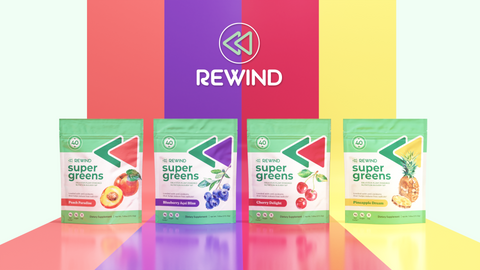
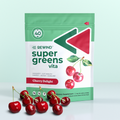
Cherry Delight
$39.99
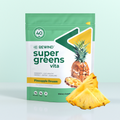
Pineapple Dream
$39.99
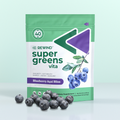
Blueberry Acai Bliss
$39.99


