

Premenstrual syndrome affects up to 85 percent of women of reproductive age to some degree, making it one of the most common cyclical health experiences in women's lives. For some, PMS means a day or two of mild bloating and mood shifts that are noticeable but manageable. For others, it means a week or more of significant physical discomfort including cramps, breast tenderness, headaches, digestive disruption, sleep problems, and fatigue, alongside emotional changes including irritability, anxiety, low mood, and the difficulty concentrating that makes the premenstrual week distinctly harder to navigate than the rest of the month.
The medical conversation about PMS often jumps quickly to pharmaceutical management, and for severe cases, medical intervention is appropriate and important. But there is a nutritional dimension to PMS that receives far less attention and that matters for the millions of women managing moderate symptoms who want to address the biological factors behind them rather than simply managing them symptom by symptom. Specific micronutrients, notably magnesium and Vitamin B6, have clinical trial evidence for reducing PMS symptom severity. Plant polyphenols with anti-inflammatory properties address the prostaglandin-driven pain and inflammation that characterizes the physical symptoms. And the adaptogenic compounds that moderate HPA axis reactivity are directly relevant to the mood and stress-tolerance changes that premenstrual hormonal shifts produce.
The menstrual cycle is divided into the follicular phase, which begins with menstruation and culminates in ovulation, and the luteal phase, which follows ovulation and ends at the next menstruation. PMS symptoms occur in the luteal phase, primarily in its second half. The hormonal environment of the luteal phase is characterized by a surge and then decline in progesterone alongside declining estrogen as the corpus luteum regresses in the absence of fertilization.
These hormonal changes produce downstream effects on multiple systems simultaneously. The decline in progesterone reduces its GABA-A receptor modulating activity, effectively reducing the calming influence of progesterone on the nervous system and increasing sensitivity to stress, pain, and emotional triggers. Prostaglandin production increases as the uterine lining prepares to shed, driving the cramping, bloating, and pain that characterize physical PMS. Serotonin fluctuates with estrogen levels, producing the mood changes, food cravings, and sleep disruption that many women recognize as the psychological dimension of PMS. And fluid retention from hormonal changes on the kidney's aldosterone response produces the bloating and breast tenderness that are among the most commonly reported symptoms.
The same hormonal fluctuations occur in virtually all ovulating women, but the severity of PMS symptoms varies dramatically between individuals. Research has identified several factors that modulate how severely the luteal hormonal shift affects each person: nutritional status is among the most consistently documented modifiable factors. Women with low magnesium status have measurably worse luteal phase mood symptoms and more severe dysmenorrhea. Women with low Vitamin B6 status have impaired serotonin synthesis during the phase when estrogen-driven serotonin fluctuation is already challenging mood stability. Women with poor antioxidant status experience more severe prostaglandin-driven inflammation. These nutritional factors do not cause PMS, but they determine how well or poorly each woman's system handles the hormonal changes that the luteal phase reliably creates.
Magnesium occupies a central position in PMS nutritional research for several distinct reasons. It is required for the enzymes that synthesize prostaglandins, the inflammatory mediators that drive menstrual cramps, and adequate magnesium may help moderate the prostaglandin overproduction that produces dysmenorrhea. It supports GABA receptor function, the inhibitory neurotransmitter system whose progesterone-related decline in the luteal phase is a primary driver of the anxiety and mood instability characteristic of PMS. And it is a required cofactor for more than 300 enzymatic reactions that collectively support the nervous system regulation, sleep architecture, and stress response modulation that PMS challenges.
Research has found that women with PMS have significantly lower magnesium levels in erythrocytes and plasma compared to women without PMS, suggesting that magnesium insufficiency may be both common in this population and mechanistically relevant to symptom severity. Clinical trials of magnesium supplementation for PMS have found significant reductions in mood-related PMS symptoms, improvements in fluid retention, and reductions in menstrual cramping compared to placebo. The magnesium from Barley Grass Powder and Wheatgrass Powder in a daily greens formula provides consistent daily food-matrix magnesium that helps maintain the magnesium status that PMS management depends on throughout the entire cycle, not just during symptom flare.
Vitamin B6 is required as a cofactor for the enzyme that converts tryptophan to serotonin. During the luteal phase, when estrogen levels are declining and serotonin fluctuates, adequate B6 supports the synthesis pathway that maintains serotonin availability for mood regulation. Research on B6 and PMS has consistently found benefits for the psychological symptoms of PMS including mood, irritability, and anxiety, with meta-analyses supporting a meaningful effect of B6 supplementation on these domains. The combination of magnesium and B6 together has shown stronger effects in clinical trials than either alone, suggesting synergistic activity in supporting both the GABA and serotonin dimensions of PMS mood symptoms.
Spirulina in a daily greens formula provides a comprehensive B-vitamin complex including B6, B2, B3, and folate, in food-matrix form. The B6 from Spirulina contributes to the serotonin synthesis support that PMS mood management requires, while the full B-complex supports the broader metabolic pathways that the hormonal and energetic demands of the luteal phase place on the body. Consistent daily greens intake ensures that B vitamin status is maintained throughout the full cycle rather than being depleted by the time the luteal phase's demands peak.
Dysmenorrhea, the cramping pain of menstruation, is driven primarily by prostaglandins, particularly PGE2 and PGF2-alpha, which are produced from arachidonic acid in the uterine lining by the enzymes cyclooxygenase-2 and 5-lipoxygenase. Quercetin Dihydrate in a greens formula inhibits both cyclooxygenase enzymes through a mechanism similar to non-steroidal anti-inflammatory medications, though at a much lower potency. Consistent daily Quercetin intake maintains a sustained anti-inflammatory input that may modestly reduce the prostaglandin overproduction that peaks around menstruation.
Green Tea Extract EGCG similarly inhibits cyclooxygenase activity and reduces the inflammatory signaling that amplifies prostaglandin-driven pain and the systemic inflammatory symptoms, including bloating, breast tenderness, and headaches, that many women experience in the premenstrual week. Spirulina phycocyanin reduces TNF-alpha and IL-6, the inflammatory cytokines that contribute to the generalized inflammatory state of the luteal phase in women with significant PMS. These anti-inflammatory mechanisms are not acute pain relief in the way that ibuprofen is. They are the sustained, daily anti-inflammatory input that maintains a lower inflammatory baseline from which the prostaglandin surge of menstruation begins.
Vitamin C's relevance to PMS operates through several mechanisms. As a cofactor for the enzymes that convert progesterone precursors into progesterone itself, adequate Vitamin C status may support the progesterone synthesis that the corpus luteum depends on in the early luteal phase, when adequate progesterone levels are associated with less severe PMS symptoms. As a potent antioxidant, Vitamin C reduces the oxidative stress that amplifies prostaglandin-driven inflammation in uterine tissue. And as an adrenal support nutrient, Vitamin C supports the cortisol regulation that the premenstrual period's heightened stress reactivity demands, helping moderate the HPA axis overreactivity that many women notice in the days before their period.
Menstruation involves blood loss that depletes iron on a monthly basis. For women with heavy periods, this loss can be substantial and may produce iron insufficiency that accumulates over months if dietary and supplemental iron intake does not compensate. Even for women with average flow, the monthly iron expenditure means that maintaining adequate ferritin levels requires consistent daily attention to iron intake across the full cycle, not just during or after menstruation.
Low ferritin is associated with fatigue, poor mood regulation, impaired concentration, and reduced exercise tolerance, all of which overlap with and worsen PMS symptoms when they coincide with the luteal phase's other challenges. Women who enter the premenstrual week with already-depleted iron reserves experience a compounding of nutritional-fatigue and PMS-fatigue that makes the week significantly harder than it needs to be. The plant-source iron from Spirulina in a daily greens drink, combined with Vitamin C from Acerola for absorption enhancement, supports ongoing iron replenishment across the cycle rather than addressing the deficit only after blood loss has occurred.
The premenstrual phase is characterized by reduced stress tolerance, a phenomenon that is biologically grounded in the progesterone-GABA changes described above. Women who manage stress well during the rest of their cycle often notice that the same stressors feel disproportionately difficult to handle in the days before menstruation. This is not a psychological weakness. It is the predictable consequence of reduced GABA receptor modulation combined with serotonin fluctuation producing a nervous system that is genuinely less buffered against stress during this phase.
Siberian Ginseng and Astragalus Root, the adaptogenic components of a daily greens formula, support HPA axis calibration over weeks of consistent daily use. By building the HPA axis's adaptive capacity for proportionate cortisol responses to stressors, these adaptogens may reduce the exaggerated stress reactivity that the premenstrual phase typically produces. This is not a luteal phase-specific effect. It is the cumulative adaptogenic support that is built by daily consistent use over months, making the system more resilient to the hormonal-driven stress vulnerability that PMS creates.
The nutritional support that PMS management requires operates on a full-cycle basis rather than being most effective when started at the onset of symptoms. Magnesium status, B-vitamin levels, iron reserves, and adaptogenic HPA axis calibration all need to be maintained across the full 28 to 35 days of the cycle to be well-established by the time the luteal phase creates its increased demands on these systems. Starting magnesium supplementation the week before a period, when symptoms are already developing, provides some benefit but misses the opportunity to prevent the deficiency-worsening pattern from establishing itself in the first place.
The most effective nutritional approach to PMS is the same as the most effective nutritional approach to general health: consistent daily support throughout the full cycle, every day, as a non-negotiable morning habit rather than a reactive response to symptoms. A daily greens drink taken every morning from the first day of one period to the first day of the next maintains the magnesium, B vitamins, iron, antioxidants, and adaptogenic support at consistent levels throughout the cycle, providing the best possible nutritional environment for each luteal phase's demands.
The nutritional evidence for PMS management through micronutrients, plant compounds, and dietary approaches has grown substantially in recent years.
PMS is predictable, cyclical, and to a meaningful degree nutritionally modifiable. The luteal phase's hormonal changes create increased demands on magnesium for GABA and nerve regulation, on B6 for serotonin synthesis, on antioxidants for prostaglandin-driven inflammation management, on iron for recovery from monthly blood loss, and on adaptogenic support for the heightened stress reactivity that reduced progesterone-GABA modulation produces. None of these demands are addressed by topical treatments, rest alone, or managing symptoms in isolation.
A daily greens drink, taken every morning throughout the full cycle, builds the nutritional foundation that the luteal phase needs to be less disruptive. The Barley Grass and Wheatgrass magnesium for GABA and nerve support. The Spirulina B vitamins for serotonin synthesis and metabolic energy. The Quercetin and Green Tea Extract for prostaglandin-driven inflammation reduction. The Acerola Vitamin C for adrenal and antioxidant support. The adaptogenic support for HPA axis resilience through the hormonal fluctuations of the premenstrual week. Start taking it every morning. By the time your next cycle arrives, the nutritional foundation will already be better than the one that made last month harder.
A greens powder is a nutritional supplement, not a medical treatment. It provides the micronutrients and plant compounds that address the biological mechanisms underlying PMS symptoms, which may reduce severity for some women who have nutritional deficiencies contributing to their symptom burden. For severe PMS or premenstrual dysphoric disorder (PMDD), medical evaluation and treatment are appropriate. Nutritional support works best as a complement to overall health care rather than a substitute for it.
Start immediately and take it every day throughout the full cycle. The nutritional benefits of a greens habit build over weeks of consistent daily use, meaning that the magnesium, B-vitamin, and adaptogenic reserves need to be built up throughout the cycle to be well-established when the luteal phase's demands arrive. Starting only in the premenstrual week provides some benefit but misses the cumulative foundation-building that makes the full-cycle approach most effective.
The magnesium from Barley Grass and Wheatgrass may reduce fluid retention by supporting normal electrolyte balance and kidney function regulation. The anti-inflammatory polyphenols from Quercetin and Green Tea Extract may reduce the prostaglandin-driven inflammation that contributes to GI bloating symptoms. However, PMS bloating is partly driven by hormonal fluid retention that nutritional support addresses partially rather than completely. Reducing sodium intake, staying well hydrated, and maintaining gentle physical activity during the premenstrual week complement the nutritional support from a greens drink.
PMS sugar and carbohydrate cravings are partly driven by serotonin fluctuation, as carbohydrate intake temporarily boosts serotonin availability, and partly by the blood glucose instability that the hormonal changes of the luteal phase can produce. The B vitamins from Spirulina support serotonin synthesis pathways, potentially reducing the neurochemical drive behind carbohydrate cravings. A greens drink taken with a protein-containing breakfast creates the most stable blood glucose starting point for the day, reducing the glucose-driven cravings that inadequate morning nutrition amplifies in the premenstrual week.
Most research on nutritional interventions for PMS uses periods of two to four menstrual cycles to assess benefit, reflecting the time needed for micronutrient levels to reach new equilibria and for the body to reflect improved nutritional status across a full cycle. Many women notice meaningful improvements in mood-related PMS symptoms within one to two cycles of consistent daily nutritional support, while physical symptoms like cramping may take two to three cycles to show clear improvement. Consistent daily use for at least three months is the appropriate timeframe for evaluating whether nutritional support is producing meaningful change.
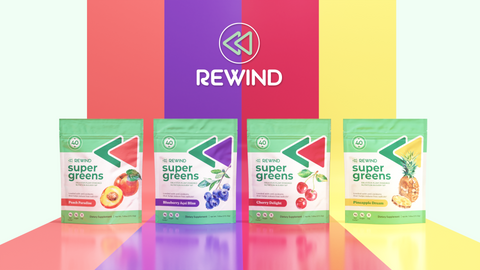

Cherry Delight
$39.99

Pineapple Dream
$39.99
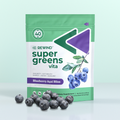
Blueberry Acai Bliss
$39.99


