

The intestinal barrier is one of the most important and least discussed structures in the human body. A single layer of epithelial cells connected by specialized protein junctions, it lines the entire length of the small and large intestine and performs a task of extraordinary complexity: selectively allowing nutrients, water, and beneficial compounds to pass into the bloodstream while blocking the passage of bacteria, toxins, undigested food particles, and pathogenic microorganisms. When this barrier functions well, it is the foundation of gut health, immune calibration, and the prevention of the systemic inflammatory conditions that research increasingly connects to gut-origin causes.
When it does not function well, the consequences are felt throughout the body. Increased intestinal permeability, commonly called leaky gut, allows bacterial fragments called lipopolysaccharides and other gut-origin compounds into the bloodstream, triggering immune responses and chronic low-grade inflammation that has been associated with cardiovascular disease, metabolic syndrome, autoimmune conditions, cognitive decline, skin conditions, and mood disorders. Understanding intestinal permeability and the dietary factors that most powerfully influence it is one of the most practically relevant nutritional conversations available.
The intestinal epithelium is a single-cell layer of specialized cells called enterocytes, connected to each other by complexes of proteins called tight junctions, adherens junctions, and desmosomes. Tight junctions are the primary gatekeepers of paracellular permeability, the passage of substances between cells rather than through them. The tight junction complex includes proteins such as occludin, claudins, and zonula occludens proteins that form a selectively permeable seal between adjacent epithelial cells.
The gut barrier is not static. Tight junction protein expression and function are dynamically regulated by nutrients, the microbiome, inflammatory signals, and hormones. When tight junction integrity is maintained, the barrier functions as designed. When tight junction proteins are downregulated by inflammation, oxidative stress, certain dietary components, or dysbiosis-derived signals, paracellular permeability increases and larger molecules including bacterial lipopolysaccharides, undigested food proteins, and microbial metabolites can pass into the lamina propria below the epithelium and from there into the bloodstream.
Zonulin is a protein produced by intestinal epithelial cells that modulates tight junction opening in response to specific signals, most notably the presence of certain bacteria in the small intestine and the protein gliadin from wheat. When zonulin is chronically elevated, as occurs in conditions including celiac disease, inflammatory bowel disease, and in response to certain dietary and microbial triggers, tight junctions become chronically loosened and intestinal permeability increases persistently. Elevated serum zonulin is now recognized as a biomarker of increased intestinal permeability, and research has found elevated zonulin in the blood of people with diverse inflammatory conditions including type 1 and type 2 diabetes, non-alcoholic fatty liver disease, multiple sclerosis, schizophrenia, and many others, suggesting that gut barrier dysfunction may be a contributing mechanism across these varied conditions.
The dietary factors most consistently associated with increased intestinal permeability share a common nutritional profile: high in refined sugars that promote pathogenic bacterial overgrowth, high in processed food emulsifiers including carboxymethylcellulose and polysorbate 80 that directly disrupt the mucus layer protecting epithelial cells, high in saturated and industrial seed oil fats that trigger inflammatory signaling in the gut epithelium, and low in the plant fiber and polyphenols that feed the beneficial bacterial populations most protective of tight junction integrity.
Beyond diet, chronic stress increases intestinal permeability through cortisol-mediated effects on tight junction proteins. Excessive alcohol consumption disrupts the epithelial tight junction complex directly. Prolonged strenuous exercise, particularly in heat, can transiently increase gut permeability through thermal and blood flow effects. And certain medications including non-steroidal anti-inflammatory drugs have documented effects on gut barrier function. The common thread is that the gut barrier is continuously under pressure from multiple directions, and the nutritional support it receives determines how well it maintains its function under this combined challenge.
Quercetin Dihydrate is one of the most extensively studied dietary compounds for gut barrier support. Research has specifically documented that Quercetin increases the expression of claudin-4, a tight junction protein, in intestinal epithelial cells and reduces the zonulin-induced increase in paracellular permeability. Its mechanism involves both direct effects on tight junction protein expression and its anti-inflammatory activity that reduces the cytokine-driven disruption of tight junctions by TNF-alpha and IL-6. Clinical research has found that Quercetin supplementation reduces markers of intestinal permeability in populations with elevated baseline permeability, supporting its role as a genuine dietary gut barrier-protective compound.
Green Tea Extract EGCG has similarly documented gut barrier-protective properties. Research has found that EGCG reduces lipopolysaccharide-induced intestinal permeability, restores tight junction protein expression after inflammatory challenge, and reduces the oxidative stress in intestinal epithelial cells that is one of the primary mechanisms of tight junction dysfunction. The polyphenol antioxidant activity of EGCG in the intestinal environment, where the concentration of these compounds is highest as they pass through the gut rather than being absorbed, provides direct protection to the epithelial cells whose function the barrier depends on.
Spirulina contributes to gut barrier health through multiple simultaneous mechanisms. Its phycocyanin reduces the intestinal inflammatory cytokines, particularly TNF-alpha and IL-6, that directly disrupt tight junction protein expression. Research on Spirulina supplementation has found reductions in markers of gut permeability and intestinal inflammation in populations with compromised gut barrier function. Its comprehensive zinc content is also relevant: zinc is required for the synthesis and maintenance of tight junction proteins, and zinc deficiency is one of the most consistently documented nutritional contributors to impaired gut barrier integrity.
The protein content of Spirulina provides glutamate, an amino acid precursor to glutamine, which is the primary fuel for intestinal epithelial cells and is directly required for their maintenance and renewal. While the greens formula does not provide therapeutic doses of glutamine, the regular amino acid contribution from Spirulina supports the energy substrate availability for the rapidly renewing epithelial cells of the gut lining.
Plant polyphenols exert their gut barrier effects through several mechanisms that are partially independent of antioxidant activity. They modify the gut microbiome composition toward populations that produce butyrate and other short-chain fatty acids that feed enterocytes and support tight junction expression. They activate Nrf2, the transcription factor that upregulates antioxidant and cytoprotective genes in intestinal epithelial cells, improving the cellular stress resistance that maintains barrier function under challenge. And they reduce the NF-kB-driven inflammatory signaling that is the primary mechanism of cytokine-induced tight junction disruption.
The daily consistent delivery of diverse plant polyphenols through a greens formula, including Quercetin, Resveratrol, EGCG, Blueberry anthocyanins, Grapeseed proanthocyanidins, and Spirulina phycocyanin, provides a comprehensive daily gut barrier maintenance input that addresses the multiple mechanisms of tight junction regulation simultaneously. Each dose is delivered to the gut epithelium at the highest local concentration before systemic absorption occurs, maximizing the direct protective effect at the site of barrier function.
Research on intestinal permeability has established connections between chronic gut barrier dysfunction and a remarkably diverse range of systemic conditions. Metabolic endotoxemia, the entry of bacterial lipopolysaccharides into the circulation through a leaky gut, produces a chronic low-grade inflammatory state that impairs insulin signaling and promotes the development of insulin resistance, metabolic syndrome, and type 2 diabetes. The same gut-origin inflammatory signal contributes to the atherosclerotic inflammation that drives cardiovascular disease. Research has found that gut permeability is measurably elevated in conditions including rheumatoid arthritis, ankylosing spondylitis, multiple sclerosis, Parkinson's disease, and mood disorders, suggesting that gut barrier dysfunction is a general contributor to chronic inflammatory disease rather than a cause specific to any single condition.
The science of intestinal permeability and the nutritional factors that influence it is one of the most rapidly developing areas in gastroenterology and nutrition research.
The intestinal barrier is not a passive bystander in your health. It is an active, dynamic structure whose function determines whether the bacteria and their products in your gut stay where they belong or enter the bloodstream to drive chronic inflammatory conditions throughout the body. The tight junction proteins that seal this barrier are continuously regulated by the nutritional environment they operate in, and the plant polyphenols, zinc, B vitamins, and antioxidants in the diet are among the most powerful regulators available.
A daily greens drink addresses gut barrier maintenance through Quercetin's documented tight junction-protective effects, Green Tea Extract EGCG's barrier-restoring properties, Spirulina's zinc and anti-inflammatory phycocyanin, and the comprehensive polyphenol network that continuously enriches the gut bacteria most protective of barrier integrity. Thirty seconds every morning. The barrier that protects your entire body from the microbial world inside your intestine is worth thirty seconds.
Increased intestinal permeability is not definitively diagnosed by symptoms alone, as many of its consequences are systemic and non-specific. Clinical testing includes serum zonulin levels and lactulose/mannitol urinary ratio tests that measure how much of these test substances cross the intestinal barrier. However, these tests are not universally standardized, and results should be interpreted by a healthcare provider in the clinical context. Many people with elevated permeability are unaware of it because the systemic consequences accumulate gradually and are attributed to other causes.
Research on polyphenol interventions for intestinal permeability has found reductions in permeability markers in populations with elevated baseline permeability, suggesting that consistent daily plant polyphenol intake can partially restore tight junction function over weeks of use. The restoration is not instantaneous and depends on the extent and duration of prior permeability increase. Supporting the barrier with consistent daily plant nutrition while reducing the dietary and lifestyle factors that disrupt it creates the conditions for meaningful recovery over months of consistent effort.
High intake of ultra-processed foods, particularly those containing emulsifiers carboxymethylcellulose and polysorbate 80, is consistently associated with increased intestinal permeability through direct disruption of the mucus layer. High refined sugar intake promotes the overgrowth of pathogenic bacterial populations that release tight junction-disrupting metabolites. Excessive alcohol consumption directly disrupts the tight junction complex. And low dietary plant fiber starves the beneficial bacteria most protective of barrier integrity. Reducing these inputs while increasing plant food diversity and polyphenol intake represents the most evidence-supported dietary approach to gut barrier maintenance.
Yes. Increased intestinal permeability is a well-documented physiological phenomenon with measurable molecular mechanisms, validated clinical measurement methods including zonulin testing and sugar permeability testing, and documented associations with diverse inflammatory conditions. The term leaky gut is informal but refers to a genuine and clinically significant state. Where scientific caution is appropriate is in the attribution of specific diseases to leaky gut without establishing whether the permeability is causal or consequential, and in the marketing of unproven proprietary treatments for it. The nutritional factors that support tight junction integrity are genuinely evidence-based.
Yes. Psychological stress increases intestinal permeability through multiple mechanisms: cortisol increases tight junction protein degradation, stress-induced mast cell activation in the gut releases inflammatory mediators that disrupt the barrier, and stress-related changes in gut motility alter the bacterial environment in ways that further compromise barrier function. The adaptogenic support from Siberian Ginseng and Astragalus Root in a greens formula moderates the HPA axis stress response that drives these mechanisms over weeks of consistent use, and the magnesium from grass powders supports the nerve regulation that moderates the gut-specific effects of chronic stress.
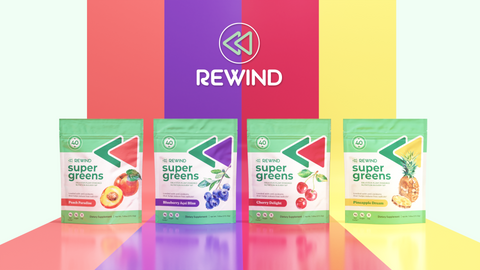
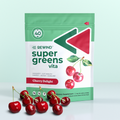
Cherry Delight
$39.99
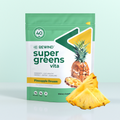
Pineapple Dream
$39.99
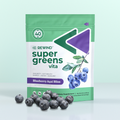
Blueberry Acai Bliss
$39.99


