

Eczema, or atopic dermatitis, is one of the most common chronic inflammatory skin conditions in the world, affecting approximately 15 to 20 percent of children and 1 to 10 percent of adults globally. It presents as patches of dry, itchy, inflamed skin that flare unpredictably, often cycling through periods of relative calm and significant exacerbation. For people who live with eczema, the search for management strategies goes well beyond topical creams and prescription treatments, because flares are influenced by a complex web of triggers that includes stress, environmental exposures, and diet in ways that the conventional medical conversation often underemphasizes.
Research into eczema pathogenesis has undergone a significant shift in recent years. What was previously understood primarily as a skin barrier problem has been revealed as a whole-body immune condition with strong connections to the gut microbiome, the systemic inflammatory environment, and the dietary patterns that shape both. The gut-skin axis, the bidirectional communication between the gut microbiome and skin immune function, is now understood as a primary driver of eczema pathogenesis rather than a peripheral consideration. This means that nutritional approaches addressing gut health, systemic inflammation, and the immune environment are directly relevant to eczema management from the inside out.
Atopic dermatitis is driven by a dysregulated immune response involving overactivation of the Th2 immune pathway, which governs the allergic inflammatory response. In eczema skin, the Th2-dominant immune environment produces elevated levels of IL-4, IL-13, IL-5, and IL-31, cytokines that drive skin inflammation, itch, barrier dysfunction, and the recruitment of eosinophils into skin tissue. The skin barrier itself is often compromised, partly through genetic mutations in filaggrin, the protein that seals the outermost skin layer, and partly through inflammation-driven barrier disruption that becomes self-perpetuating.
What makes eczema particularly complex is that the immune dysregulation driving it is not confined to the skin. The same Th2-dominant immune environment and the same barrier dysfunction that characterizes eczema skin is found in the intestinal mucosa of eczema patients, connecting skin outcomes to gut immune function through shared mechanisms. The gut microbiome, which trains and regulates the Th1/Th2 immune balance, sits at the center of this connection. Early microbiome research identified that infants who later developed eczema had measurably different gut microbiome composition in the first weeks of life, before any skin symptoms appeared, establishing the gut-first nature of at least some eczema pathogenesis.
Diet influences eczema through several distinct mechanisms. Directly, specific foods act as antigenic triggers in a subset of eczema patients, most commonly eggs, dairy, wheat, soy, fish, and tree nuts, through IgE-mediated allergic mechanisms. Indirectly, dietary patterns shape the gut microbiome composition, systemic inflammatory tone, and immune polarization that determines the background level of eczema inflammation independent of specific food triggers. The Western dietary pattern, high in ultra-processed foods, refined sugars, industrial seed oils, and low in plant fiber and polyphenols, consistently produces the gut dysbiosis and elevated systemic inflammation that worsens eczema in population research. The Mediterranean dietary pattern, rich in plant foods, olive oil, fish, and diverse fiber, is associated with lower eczema rates and severity.
Research has established that the Western dietary pattern produces measurable gut dysbiosis that directly worsens eczema outcomes. High intake of refined sugars promotes the growth of inflammatory gut bacterial populations including Clostridium difficile and reduces the diversity of the gut microbiome as a whole. Low plant fiber intake starves the Bifidobacterium and Faecalibacterium prausnitzii populations most protective of gut barrier integrity and anti-inflammatory immune regulation. The gut dysbiosis produced by Western dietary patterns increases intestinal permeability, allowing bacterial fragments to enter the circulation and amplify the systemic Th2 inflammatory environment that drives eczema.
Conversely, research has documented that eczema patients whose diets are shifted toward higher plant food diversity, more fiber, and more antioxidant-rich plant foods show improvements in gut microbiome composition alongside reductions in eczema severity markers. The dietary pattern, not just individual trigger foods, is a meaningful driver of eczema inflammatory background, and addressing the overall dietary quality is as important as identifying and avoiding specific triggers.
The plant polyphenols in a daily greens formula address the eczema inflammatory picture through several mechanisms directly relevant to Th2 immune dysregulation. Quercetin Dihydrate has documented anti-allergic properties that extend beyond its general anti-inflammatory effects. Research has specifically found that Quercetin inhibits the release of histamine and pro-inflammatory cytokines from mast cells and basophils, the immune cells most active in allergic-type inflammation. It also modulates the Th1/Th2 balance in the direction of reduced Th2 dominance through effects on regulatory T cell function. This immune-modulating mechanism is directly relevant to the Th2-dominated inflammatory environment that drives eczema flares.
Green Tea Extract EGCG reduces IL-4 and IL-13 production, the Th2 cytokines most directly responsible for the allergic inflammation of eczema. Spirulina phycocyanin has documented anti-inflammatory effects that reduce the TNF-alpha and IL-6 production that amplifies the inflammatory cascades in eczema skin. And the comprehensive antioxidant network of the greens formula reduces the reactive oxygen species that activate the toll-like receptors and NF-kB pathways that amplify eczema inflammation at the skin tissue level.
Vitamin C is directly relevant to eczema through two mechanisms. First, it is required for collagen synthesis in the dermis, and the structural integrity of the dermis that underlies healthy skin barrier function depends on adequate collagen. Second, Vitamin C is the primary water-soluble antioxidant of the skin, protecting skin cells from the oxidative stress that both triggers and amplifies eczema inflammation. Research has found that eczema patients have measurably lower plasma Vitamin C levels than controls, and that Vitamin C status is associated with eczema severity, suggesting that addressing Vitamin C insufficiency may have direct relevance to skin inflammatory outcomes.
Research on the gut microbiome and eczema has identified several specific bacterial populations most protective of eczema outcomes. Bifidobacterium and Lactobacillus populations, which produce anti-inflammatory short-chain fatty acids and are most strongly associated with Th1/Th2 balance, are consistently found at lower abundance in eczema patients compared to controls. Faecalibacterium prausnitzii, the primary butyrate producer protective of gut barrier integrity, is similarly reduced in eczema populations.
The plant polyphenols in a daily greens formula support these protective bacterial populations as nutritional substrates and through selective antimicrobial effects that favor beneficial over pathogenic species. Green Tea Extract EGCG selectively inhibits the growth of pathogenic species while being neutral or mildly stimulatory to Lactobacillus populations. Quercetin and Resveratrol are selectively metabolized by Bifidobacterium and Lactobacillus species, creating a nutritional enrichment effect. Consistent daily plant polyphenol intake through a greens drink creates a gut environment that continuously favors the specific microbial populations most protective of eczema outcomes through the gut-skin axis.
A daily greens drink does not replace topical treatments, prescribed medications, or trigger identification and avoidance. These remain the primary tools of eczema management and should be guided by a dermatologist. What a daily greens drink addresses is the nutritional foundation of the systemic immune and gut environment from which eczema inflammation originates. By reducing the gut dysbiosis, systemic inflammatory tone, and Th2 immune overactivation that create the conditions for eczema flares, consistent daily plant nutrition works upstream of the skin-level interventions that manage flares once they occur.
Think of the greens habit as maintaining the background environment in which the rest of eczema management operates. A lower systemic inflammatory baseline means that the same environmental triggers that would have produced a severe flare in a higher-inflammation state produce a milder or shorter-lasting response. Consistent daily plant nutrition is not a cure for eczema. It is a meaningful contribution to the nutritional infrastructure that determines how reactive the immune system is when it encounters the unavoidable triggers of everyday life.
The connection between diet, gut microbiome, and atopic dermatitis is an active and rapidly developing area of immuno dermatological research.
Eczema is a whole-body immune condition that begins in the gut-skin axis and expresses at the skin surface. The gut microbiome dysbiosis and systemic Th2 immune overactivation that drive eczema severity are shaped by daily dietary patterns in ways that make nutrition a meaningful and evidence-supported dimension of eczema management. A Western dietary pattern depleted in plant polyphenols and fiber worsens the gut environment and systemic immune backdrop from which eczema flares. A plant-rich dietary pattern with daily anti-inflammatory polyphenols, diverse fiber, and micronutrient density addresses this background.
A daily greens drink contributes to the eczema management nutritional foundation through Quercetin's anti-allergic and Th2-modulating effects, Green Tea Extract EGCG's IL-4 and IL-13 suppression, Spirulina's systemic anti-inflammatory support, plant polyphenols that continuously enrich the gut bacteria most protective of eczema outcomes, and Acerola Vitamin C for skin antioxidant defense and barrier collagen support. It does not replace dermatological care. It nourishes the inside environment that determines how reactive and severe the skin-level condition is.
A comprehensive greens formula contains multiple plant-derived ingredients, and individuals with specific food sensitivities should review the ingredient list before beginning. Spirulina and Nori Seaweed are shellfish-related in their protein profiles for some highly sensitive individuals. Anyone with documented food allergies should discuss any new supplement with their dermatologist or allergist before starting, and may choose to introduce it gradually while monitoring for any skin response.
Research on dietary interventions for atopic dermatitis generally shows measurable changes in gut microbiome composition and systemic inflammatory markers over eight to twelve weeks of consistent dietary improvement. Visible eczema severity changes from dietary approaches typically take two to four months to emerge, reflecting the time required for gut microbiome stabilization and downstream skin immune modulation. Consistency over months is necessary to evaluate whether nutritional approaches are producing benefit.
Quercetin Dihydrate has the most specifically documented anti-allergic and Th2-immune-modulating mechanisms directly relevant to eczema pathophysiology. Green Tea Extract EGCG has documented reductions in the key eczema-driving cytokines IL-4 and IL-13. Together with the gut microbiome-supporting polyphenols and the Vitamin C from Acerola, these ingredients address the eczema inflammatory picture through multiple complementary mechanisms rather than any single active compound.
Yes, chronic stress is one of the most consistent eczema triggers, working through HPA axis activation that elevates cortisol, increases mast cell degranulation in skin tissue, and increases gut permeability. The adaptogenic support from Siberian Ginseng and Astragalus Root in a greens formula moderates HPA axis reactivity over weeks of consistent use, reducing the cortisol-driven amplification of eczema inflammatory responses during stressful periods. The magnesium from Barley Grass and Wheatgrass supports the GABA receptor modulation that is part of the stress nervous system regulation most disrupted by chronic stress.
Most plant-based greens formula ingredients are anti-inflammatory and well-tolerated by eczema patients. Green Tea Extract, Quercetin, and Spirulina are the most specifically beneficial. Anyone with documented cross-reactive food allergies, particularly to grasses, should review grass-derived ingredients including Barley Grass and Wheatgrass with their allergist. Overall, the anti-inflammatory, gut-supportive plant polyphenol profile of a well-formulated greens powder is consistent with the dietary directions most evidence identifies as beneficial for eczema.

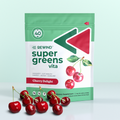
Cherry Delight
$39.99

Pineapple Dream
$39.99
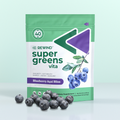
Blueberry Acai Bliss
$39.99


