

Endurance sport creates a nutritional challenge that is categorically different from the demands of general fitness. When a runner completes a marathon, a cyclist finishes a century ride, or a triathlete crosses a long-course finish line, they have placed their body under hours of continuous oxidative, inflammatory, metabolic, and structural stress that recreational exercise rarely approaches. The energy systems, micronutrient reserves, gut integrity, immune function, and antioxidant defense that sustain performance across those hours are all depleted in measurable ways that require deliberate daily nutritional management to restore.
A daily super greens drink is not an ergogenic aid in the conventional sports nutrition sense. It does not deliver the carbohydrate fuel of a sports gel, the electrolytes of a hydration drink, or the caffeine of a pre-workout. What it provides is the consistent daily micronutrient and plant polyphenol foundation that determines how effectively the endurance athlete's body handles the cumulative demands of high-volume training, and how completely it recovers between sessions. For endurance athletes, who are often the most nutritionally disciplined but also among the most nutritionally depleted due to the demands they place on their systems, a daily greens habit addresses a genuine and commonly overlooked gap.
Endurance training at high volume produces micronutrient depletion through several mechanisms that accumulate over training cycles. Sweat losses during prolonged exercise remove significant amounts of zinc, magnesium, iron, and B vitamins alongside sodium and potassium. Research has documented that sweat magnesium losses during extended endurance exercise can be substantial, and that marathon runners and triathletes frequently have lower magnesium status than recreational exercisers despite higher dietary intake. Iron losses from endurance training include foot-strike hemolysis in runners, where repeated impact destroys red blood cells, sweat losses, and the increased gastrointestinal iron loss that gut stress during prolonged exercise produces.
The energy demands of endurance training also create elevated micronutrient turnover. B vitamins are consumed faster as cellular energy production runs at high rates for hours. Antioxidant reserves are depleted by the sustained free radical production of aerobic metabolism at high intensities. And the gut stress of prolonged endurance exercise, particularly running, increases intestinal permeability and reduces the absorption efficiency of nutrients from food, creating a situation where endurance athletes may have higher nutritional requirements alongside reduced absorption capacity during and after demanding sessions.
Endurance sport produces the most prolonged and sustained elevation of exercise-induced oxidative stress of any training modality. A three-hour training run or a five-hour cycling session generates free radical production at elevated rates for the entire duration, creating an oxidative burden that exceeds what the body's endogenous antioxidant defense system can fully neutralize without dietary antioxidant support. Research has documented that markers of lipid peroxidation and oxidative DNA damage are measurably elevated after prolonged endurance exercise in ways that persist well into the recovery period, reflecting sustained oxidative stress that daily antioxidant nutrition must address.
Quercetin Dihydrate has the most specific research record among plant polyphenols for endurance performance. Systematic reviews have found evidence for modest but consistent improvements in aerobic capacity markers and reductions in perceived exertion from Quercetin supplementation in endurance athletes, with mechanisms involving mitochondrial biogenesis stimulation, Nrf2 antioxidant enzyme upregulation, and anti-inflammatory effects on the cytokine cascade that follows prolonged exercise. In a daily greens formula, Quercetin delivers this endurance-relevant polyphenol as part of a broader plant compound network that addresses multiple dimensions of the oxidative and inflammatory burden of high-volume training simultaneously.
Iron is the single most performance-relevant micronutrient for endurance athletes, and it is simultaneously one of the most commonly depleted. The direct relationship between iron status and aerobic performance operates through hemoglobin: iron is the core of hemoglobin's heme group, which binds and transports oxygen from the lungs to working muscle. An endurance athlete with iron deficiency or low ferritin has reduced hemoglobin oxygen-carrying capacity, impaired mitochondrial function in muscle cells where iron is required for the electron transport chain, and measurably worse VO2max and time-trial performance compared to when iron status is adequate.
Endurance athletes face iron depletion from multiple simultaneous pathways. Foot-strike hemolysis destroys red blood cells in distance runners with each ground contact. Sweat iron losses during prolonged exercise in heat are measurable. Increased gastrointestinal iron loss from the gut stress of running is documented. Hepcidin elevation after prolonged endurance exercise transiently reduces intestinal iron absorption for hours post-exercise. And many endurance athletes eat diets that are relatively low in animal-source iron as they prioritize carbohydrate-dense plant foods for training fuel.
The plant-source iron from Spirulina in a daily greens formula, combined with Acerola Vitamin C in the same serving to maximize non-heme iron absorption, provides a consistent daily iron input that helps maintain the ferritin reserves that endurance performance depends on. For athletes whose dietary iron is insufficient or whose iron losses are high, this daily Spirulina iron plus Vitamin C pairing is one of the most practically important components of the greens formula's endurance athlete value.
A growing body of research has examined the effects of plant polyphenols on aerobic endurance performance with encouraging findings. Systematic reviews of polyphenol supplementation in endurance athletes have found evidence for improvements in VO2max, time-trial performance, and time to exhaustion in supplemented groups, with mechanisms involving enhanced mitochondrial biogenesis through Nrf2 and AMPK pathway activation, improved oxygen delivery through nitric oxide-mediated vasodilation, and reduced perception of exertion through effects on central fatigue mechanisms.
Quercetin has shown the most consistent evidence for endurance performance benefit, with meta-analyses finding statistically significant improvements in VO2max of approximately 3 percent in supplemented athletes. Green Tea Extract EGCG has similarly shown evidence for fat oxidation enhancement during endurance exercise, potentially contributing to glycogen sparing that extends endurance capacity in trained athletes. Blueberry and Bilberry anthocyanins support the vascular function that oxygen delivery depends on and reduce the exercise-induced inflammatory cytokines that contribute to central fatigue during prolonged efforts.
Siberian Ginseng has one of the most specifically relevant research records for endurance sport of any adaptogen. Research on Siberian Ginseng in physically active populations has found improvements in endurance capacity, reduced perceived exertion during sustained effort, and better physical recovery between training sessions. The mechanisms involve HPA axis normalization that reduces the cortisol dysregulation that high-volume endurance training reliably produces, mitochondrial biogenesis support, and improvement in the aerobic energy pathway efficiency that determines sustainable pace during long-duration events.
For endurance athletes in base training who are accumulating high training volume over weeks and months, the adaptogenic support from consistent daily Siberian Ginseng intake builds the physiological stress resilience that distinguishes athletes who absorb training well from those who frequently feel overtrained, fatigued, or susceptible to injury and illness. This cumulative adaptogenic benefit is most apparent at the training volume levels that endurance sport requires.
Gastrointestinal distress during and after prolonged endurance exercise is one of the most common performance-limiting problems in marathon running and triathlon. The mechanisms include exercise-induced intestinal hypoperfusion as blood flow is redirected to working muscle, mechanical gut stress from running impact, and the systemic inflammatory signals that prolonged exercise generates. The result is increased intestinal permeability, reduced gut transit efficiency, and the nausea, cramping, and diarrhea that affect a significant proportion of endurance athletes during long events.
The Quercetin and EGCG in a daily greens formula have documented gut barrier-protective properties that reduce exercise-induced intestinal permeability increases. Consistent daily intake builds gut barrier integrity over weeks, creating a more resilient intestinal environment that is less vulnerable to the hypoperfusion-driven permeability increases of prolonged exercise. For endurance athletes whose performance is limited by gut symptoms during competition, improving gut barrier resilience through daily plant nutrition is one of the most practically relevant nutritional interventions available.
The evidence for plant polyphenols and plant-based nutrition in supporting endurance performance is growing rapidly in the exercise science literature.
Endurance sport demands more from the body's nutritional systems than general exercise, and conventional sports nutrition addressing carbohydrate, protein, and basic electrolytes leaves meaningful gaps in the micronutrient and plant compound support that endurance performance and adaptation require. Iron for oxygen delivery. Magnesium for cardiovascular efficiency and muscle function. B vitamins for the aerobic energy pathways that sustain long-duration efforts. Quercetin and plant polyphenols for oxidative stress management and mitochondrial biogenesis. Siberian Ginseng for adaptogenic stress resilience through high training volumes. Gut barrier support for the gastrointestinal health that prolonged endurance exercise repeatedly challenges.
A daily greens drink addresses all of these gaps in a 30-second morning habit that fits any training schedule. Take your fuel for your sessions. Take your protein for your recovery. And take your greens every morning for the micronutrient and plant compound infrastructure that makes both more effective, session after session, week after week, across the full training cycle and into competition.
Morning before training is the most effective timing for endurance athletes. Delivering iron, B vitamins, Quercetin, and adaptogenic compounds before a long session means they are circulating during the effort rather than after it. For morning runners and cyclists, the greens drink with breakfast or in the first 30 minutes after waking is the ideal approach. For athletes who train later in the day, morning greens still contribute to the training session through the sustained presence of these compounds in circulation.
A greens powder is not designed for mid-event consumption during endurance racing. The concentrated plant compounds are better suited to daily nutritional maintenance than acute event fuel. During long events, carbohydrate gels, electrolyte drinks, and easily digestible whole foods are the appropriate fuel sources. The greens drink supports the pre-event nutritional preparation and post-event recovery rather than in-event fueling.
For athletes with diagnosed iron deficiency or documented low ferritin, prescribed iron supplementation under medical supervision is appropriate and produces faster ferritin restoration than food-matrix iron sources alone. A greens drink's Spirulina iron provides consistent daily plant-source iron support for maintaining iron status in athletes at high ongoing risk of depletion. The two approaches are complementary rather than alternative: medical iron supplementation corrects established deficiency, while daily greens iron maintains the status that prevents depletion from recurring.
Exercise-associated muscle cramps during endurance events have a complex etiology that is not fully explained by magnesium deficiency alone, and the evidence that magnesium supplementation prevents cramping during exercise is mixed. The consistent daily magnesium from Barley Grass and Wheatgrass in a greens formula supports the overall magnesium reserve that muscle and cardiovascular function depend on throughout training. Whether this translates directly to reduced cramping during events depends on the individual's overall magnesium status and the cramping mechanisms involved.
Endurance athletes typically notice improvements in energy and recovery within two to four weeks of consistent daily greens use as micronutrient deficiencies are corrected and antioxidant status improves. Adaptogenic performance benefits from Siberian Ginseng build over six to twelve weeks of consistent use. The iron status improvements most relevant to aerobic performance take eight to twelve weeks of consistent daily iron intake to produce measurable ferritin increases. Plan for a full training cycle to evaluate the full performance impact of a consistent daily greens habit.
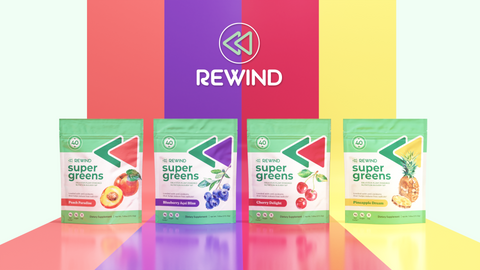
Cherry Delight
$39.99

Pineapple Dream
$39.99
Blueberry Acai Bliss
$39.99


