

Working from home sounds like the wellness dream. No commute, flexible schedule, eat when you want, move when you want. But the lived reality for millions of remote workers is quite different. The kitchen is steps away, snacking replaces proper meals, physical activity drops dramatically, the boundary between work and rest dissolves, and the social structure that used to punctuate the day with movement and human interaction is gone. Remote work, for all its genuine benefits, creates a specific set of health challenges that most people working from home do not recognize as work-related until they have been at it for months and notice they feel worse than they did in the office.
Nutritional support for remote workers is a subject that rarely comes up in conversations about work-from-home productivity and wellbeing. But nutrition is directly upstream of the cognitive performance, energy stability, and mood regulation that define a good versus a poor working day. This blog explains what remote work does to physical activity, nutrition habits, and cognitive performance, and why a daily greens powder routine is one of the most practical and effective investments a home-based worker can make in their own function and resilience.
Multiple systematic reviews conducted during and after the pandemic-era shift to remote work have documented significant reductions in daily physical activity among workers who transitioned from office to home environments. The changes are not trivial. The average office worker takes between 3,000 and 5,000 incidental steps during a typical commute and office day, steps that happen without conscious exercise. Working from home eliminates most of these entirely. A 17-meter walk to your home office replaces a 20-minute commute. A bathroom on the same floor replaces walking to a different building.
The consequence of this reduced incidental movement is not just caloric. It is metabolic. Prolonged sitting slows circulation, reduces lymphatic flow, impairs insulin sensitivity, and creates compressive load on the spine and hips. Research has found significant increases in sedentary behavior among home workers compared to office workers, with associated deterioration in metabolic and musculoskeletal health markers over time. For remote workers, deliberate movement becomes a medical necessity rather than a wellness nice-to-have.
The paradox of home working is that being near the kitchen all day does not automatically produce better eating. In many cases, it produces worse eating. The structure that a canteen, a lunchtime departure time, and social eating with colleagues provides is gone. Snacking replaces meals. High-sugar, high-caffeine foods fill the energy gaps caused by poor sleep from overwork and insufficient movement. Meal preparation falls when deadlines pile up. The remote worker who genuinely eats well is the exception, not the rule.
The specific nutritional gaps this creates are highly consistent: insufficient vegetable and mineral intake, high processed food consumption, irregular meal timing that disrupts circadian metabolic rhythms, and chronically elevated caffeine intake that masks fatigue without addressing its causes. A daily greens powder drink is a direct and practical response to this pattern. It takes 30 seconds, requires no meal planning or preparation, and delivers a concentrated serving of vegetables, minerals, antioxidants, and adaptogens in the morning before the unpredictability of the remote working day takes over.
Cognitive performance depends on a consistent supply of specific micronutrients that the brain uses for energy metabolism, neurotransmitter synthesis, and protection against oxidative stress. B vitamins, particularly B1, B2, B3, B6, and folate, are the cofactors for the metabolic pathways that convert glucose to the ATP energy that neurons run on. When B vitamins are inadequate, brain cells cannot produce energy efficiently, and the subjective experience is the familiar remote-work feeling of mental fog, difficulty concentrating, and cognitive fatigue by early afternoon despite not having done anything particularly demanding.
Iron, also present in Spirulina in a daily greens powder, is required for hemoglobin, the protein that carries oxygen to the brain in blood. Insufficient iron means reduced oxygen delivery to cerebral tissue, which directly impairs concentration, working memory, and processing speed. The connection between iron status and cognitive performance has been documented across multiple age groups and occupational populations. For remote workers, whose cognitive work is the primary output of their day, keeping iron and B-vitamin status optimal is not a health luxury. It is a direct performance investment.
The post-lunch energy dip is a universal human experience driven partly by circadian biology, but it is significantly worsened by two factors common in remote workers: poor morning nutrition and high-glycemic food choices throughout the day. When breakfast consists of coffee and toast, or is skipped entirely, the brain operates on declining blood glucose by mid-morning, which is then temporarily addressed by a high-sugar lunch, followed by a sharp insulin-driven blood glucose drop in the early afternoon. This is the afternoon crash, and it hits remote workers particularly hard because they lack the social and environmental stimulation that helps office workers push through it.
A greens powder drink in the morning as part of a protein-containing breakfast stabilizes this pattern. The mineral content from Barley Grass, Wheatgrass, and Spirulina supports stable energy metabolism. Green Tea Extract provides a moderate, catechin-buffered caffeine source that produces steadier alertness without a sharp peak and crash. Siberian Ginseng provides adaptogenic support for cognitive endurance throughout a demanding day. Taken together, these inputs create a better neurological starting point for the day than the high-caffeine, low-nutrient approach that most home workers default to.
Remote work creates a specific type of chronic stress that is different from the acute stress of office environments. It is the stress of isolation, of unclear boundaries between work and personal time, of always being accessible, of performing without the external accountability structures of a physical workplace. This low-level, persistent stress is exactly the type that adaptogens are most effective for. Siberian Ginseng and Astragalus Root, both present in a comprehensive greens formula, work by gradually raising the body's capacity to handle physiological and psychological stress without impairing it, rather than simply masking fatigue with stimulants.
For remote workers, the practical effect of consistent adaptogen intake builds over weeks. Mental endurance during long focus sessions may improve. The tendency to feel overwhelmed by accumulated demands may reduce. The quality of rest when the workday is nominally over may improve as cortisol regulation becomes more appropriate. None of this is a guaranteed or dramatic transformation. Adaptogens are subtle, cumulative, and depend on consistent daily intake for their benefits to express. But for the remote worker who feels like they are running at 70 percent capacity despite working 100 percent of their hours, they are often the missing nutritional piece.
Ginkgo Biloba in a daily greens formula is one of the most studied plant compounds for cognitive function, specifically for its effects on cerebral blood flow and the oxygenation of brain tissue. Research has documented Ginkgo's ability to support memory, processing speed, and sustained attention in adults across a range of ages. For remote workers spending long hours in focused cognitive work, maintaining optimal cerebral blood flow is directly relevant to the quality and speed of their output. Ginkgo provides this support as a daily background input, not as a nootropic drug with acute effects, but as a plant compound that consistently keeps the cerebrovascular foundation of cognition well-supplied.
The most effective morning routine for a remote worker is one that separates the start of wakefulness from the start of work. Before opening the laptop, before checking email, take your greens powder in a large glass of cold water. This creates a deliberate nutritional and behavioral anchor at the start of the day that signals to your body that the day is beginning with intention rather than urgency. Follow it with a protein-containing breakfast. Move your body, even briefly, before sitting down to work. These three steps, greens, protein, movement, create the neurological and metabolic foundation from which genuinely productive cognitive work can emerge.
The greens drink also addresses a specific remote work trap: the tendency to skip breakfast and default to caffeine. Taking your greens at the same time you make your morning coffee means the two habits merge, and the nutritional foundation provided by the greens partially compensates for coffee's tendency to mask rather than address underlying fatigue. Over weeks, as mineral status, B vitamin levels, and adaptogenic stress support build up from the daily habit, many remote workers notice they need less caffeine to achieve the same level of functional alertness.
The relationship between remote work, sedentary behavior, and nutrition has been documented extensively in post-pandemic occupational health research.
Remote work is not bad for your health by design. But by default, it tends to reduce physical movement, worsen nutrition habits, and create a specific type of low-level chronic stress that accumulates quietly over months and years. The combination of reduced incidental movement, poor morning nutrition, high caffeine dependency, and adaptogen deficiency creates a pattern of declining performance and resilience that many remote workers attribute to age or burnout rather than nutrition.
A daily greens powder drink addresses the nutritional dimension of this pattern directly and practically. Thirty seconds in the morning. Consistent every day. Before the laptop opens. It will not restructure your workday. But it keeps the biochemical infrastructure of your cognitive performance, energy, and stress resilience properly resourced for whatever the day demands.
First thing in the morning, before opening your laptop or checking messages, is the most effective and strategically valuable time. It creates a deliberate behavioral anchor that separates the start of your day from the start of your work, which is psychologically important for remote workers who tend to blur these boundaries. Morning timing also delivers the B vitamins, minerals, and Green Tea Extract when the cognitive demands of the day are just beginning.
Yes, indirectly and through consistent daily use rather than as an immediate remedy. The morning greens drink stabilizes the mineral and B vitamin baseline that underlies afternoon energy metabolism, while Green Tea Extract provides a moderate caffeine source with catechins that smooth its effect. Over weeks of consistent daily use, many remote workers report a meaningfully less severe afternoon energy crash as their nutritional foundation improves.
Research consistently documents poorer dietary quality among home workers compared to office workers, despite proximity to the kitchen. The absence of social meal structure, the accessibility of convenient snacks, irregular work hours, and high stress from boundary dissolution all contribute to patterns of high-processed-food consumption and insufficient vegetable and mineral intake. A daily greens drink provides a reliable micronutrient safety net regardless of how the rest of the day's eating unfolds.
B vitamins from Spirulina support the cellular energy pathways that neurons depend on. Ginkgo Biloba Powder supports cerebral blood flow and sustained attention. Siberian Ginseng provides adaptogenic endurance support for long cognitive work sessions. Green Tea Extract provides clean alertness. Iron from Spirulina ensures adequate oxygen delivery to brain tissue. Together these ingredients address the primary nutritional determinants of functional cognitive performance during a working day.
You do not need to replace coffee, but many remote workers find that taking their greens in the morning reduces their reliance on multiple cups of coffee as the day progresses. The Green Tea Extract in a greens powder provides a moderate caffeine source, and the adaptogenic support and mineral replenishment from the formula address underlying fatigue that caffeine was masking. Taking both together, greens in a glass of water followed by one cup of coffee, is a practical combination that maximizes the nutritional and alertness benefits of your morning routine.
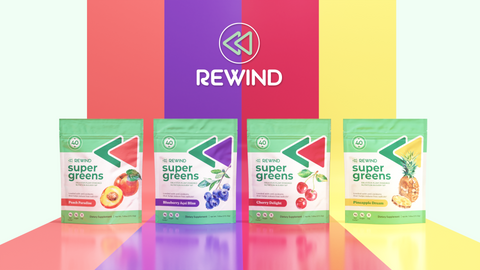

Cherry Delight
$39.99

Pineapple Dream
$39.99
Blueberry Acai Bliss
$39.99


