

Muscle is not only an aesthetic goal. It is the metabolic engine of the body, the primary site of glucose disposal after meals, the structural support of joints and posture, and the reserve of strength and physical capacity that determines functional independence as the decades pass. Building and maintaining lean muscle mass is one of the most important long-term health investments available, and it is not a goal that belongs exclusively to people who train intensively. Moderate resistance training combined with adequate protein and nutritional support for muscle protein synthesis produces meaningful muscle quality improvements across all adult age groups.
A daily super greens drink is not a protein supplement in the conventional sense. It does not deliver the 20 to 40 grams of protein per serving that post-workout shakes provide. What it does contribute is the micronutrient infrastructure, anti-inflammatory support, and specific plant protein from Spirulina that makes the muscle protein synthesis process more efficient, the recovery environment more favorable, and the long-term muscle maintenance foundation more complete than protein intake alone can achieve.
Muscle growth, technically called hypertrophy, occurs through the net positive balance between muscle protein synthesis and muscle protein breakdown. Resistance training creates mechanical stress and microscopic muscle fiber damage that signals the muscle cell to upregulate protein synthesis machinery. In the hours and days following training, muscle protein synthesis rate is elevated above the resting rate, and if dietary protein provides adequate amino acids to fuel this elevated synthesis, the net effect is an increase in muscle protein content over time.
The signaling pathway most central to this process is the mTOR pathway, which senses amino acid availability, particularly leucine, and insulin signaling to activate the ribosomes that produce new contractile proteins. When mTOR is adequately activated by protein intake and hormonal signals, and when the intracellular environment supports efficient protein synthesis, training-induced muscle growth proceeds as designed. When it is not, training produces less adaptation than it could.
The efficiency of muscle protein synthesis depends on more than amino acid availability. B vitamins, particularly B6, B12, and folate, are required as cofactors in the methylation cycle that supports DNA synthesis in satellite cells, the stem cells responsible for muscle fiber repair and adaptation. Zinc is required for the ribozymes and zinc-finger proteins that regulate transcription of muscle protein genes. Iron is required for the mitochondrial energy production that powers both the training session and the cellular repair processes that follow it. And the anti-inflammatory environment during the recovery window significantly affects how efficiently the muscle damage of training is resolved and rebuilt into stronger, denser muscle fiber.
A training program built on adequate protein but deficient in these micronutrients produces slower progress than it should, because the molecular machinery of muscle adaptation is not fully supported. This is the nutritional gap that a daily greens drink addresses alongside the protein-focused sports nutrition most muscle-building programs prioritize.
Spirulina is approximately 60 to 70 percent protein by dry weight, making it the most protein-dense plant food available and significantly more protein-dense per gram than legumes, grains, or most plant protein sources. More importantly, Spirulina is a complete protein, containing all nine essential amino acids including leucine, the primary mTOR-activating amino acid that triggers muscle protein synthesis. While a standard greens formula serving delivers 2 to 5 grams of protein from Spirulina rather than the 20 to 40 grams recommended post-workout, this contribution is meaningful as an addition to the total daily protein pool.
Research on plant protein sources and muscle protein synthesis has found that the leucine content and bioavailability of the protein are the most important determinants of its anabolic efficacy. Spirulina's leucine content, combined with its food-matrix digestibility that research suggests is higher than many other plant protein sources, makes it one of the more effective plant protein contributors available in a greens formula.
This question has been extensively studied in recent years as interest in plant-based diets has grown alongside fitness culture. The research has produced a more favorable picture of plant protein for muscle building than earlier assumptions suggested. A systematic review and meta-analysis comparing animal versus plant protein in randomized controlled trials found no statistically significant difference in lean mass gains or muscle strength development between animal and plant protein sources when protein amounts were matched. Properly combined and adequately dosed plant proteins produce comparable resistance training adaptations to animal proteins in most healthy adults.
The practical consideration is that achieving the same anabolic stimulus from plant proteins typically requires higher total protein intake due to slightly lower digestibility and leucine density in most plant sources compared to whey. For people using a greens drink as part of a plant-protein or mixed dietary approach to muscle building, pairing it with adequately dosed protein sources from legumes, quinoa, soy, hemp, or pea protein alongside the Spirulina contribution ensures the total protein foundation is met.
Exercise-induced inflammation is a necessary part of the muscle adaptation process, but excessive or prolonged inflammation beyond the optimal window reduces the efficiency of muscle protein synthesis and extends recovery time between sessions. Research has found that the relationship between exercise inflammation and muscle adaptation is dose-dependent: adequate inflammation signals the repair process, but persistent or excessive inflammation impairs it.
The plant polyphenols in a daily greens formula, particularly Quercetin and the anthocyanins from Blueberry and Bilberry, have documented evidence for reducing the inflammatory markers of exercise-induced muscle damage without suppressing the beneficial adaptive signals. Unlike high-dose isolated antioxidant supplements that have been found to blunt training adaptations in some studies, the food-matrix polyphenols from a greens drink operate at moderate doses through multiple mechanisms that reduce inflammatory overshoot without interfering with the mTOR and MAPK signaling pathways that drive adaptation. This is the anti-inflammatory advantage that daily plant nutrition provides for muscle building: better recovery between sessions without compromising the training stimulus.
Ginkgo Biloba's primary mechanism, improving microvascular blood flow and tissue oxygenation, is directly relevant to both exercise performance and the recovery period. Better microvascular blood flow during training means improved oxygen and nutrient delivery to working muscle at the capillary level, supporting the aerobic energy production that sustains training volume. During recovery, improved microvascular flow ensures that the amino acids from protein intake reach the muscle protein synthesis machinery more efficiently, supporting the rate at which muscle damage is repaired and rebuilt.
The evidence on plant protein for muscle building and on plant polyphenols for exercise recovery is robust and increasingly well-established.
Lean muscle building requires protein, training, recovery, and the micronutrient and plant compound foundation that makes all three more effective. A daily greens drink does not replace the protein shake or the training program. What it does is provide the B vitamins and zinc that support efficient muscle protein synthesis machinery, the iron that powers the mitochondrial energy production that training demands, the Spirulina plant protein that adds meaningfully to the daily amino acid pool, and the anti-inflammatory polyphenol network that supports better recovery between sessions without blunting training adaptations.
For anyone building or maintaining lean muscle, the greens drink is the nutritional infrastructure layer beneath the protein and training program. Take your protein. Train well. And take your greens every morning to ensure the molecular environment of muscle adaptation is as well-supported as the macronutrient inputs that get most of the attention.
No. A greens drink provides 2 to 5 grams of protein per serving from Spirulina, compared to the 20 to 40 grams recommended post-workout for optimal muscle protein synthesis. A greens drink provides the micronutrient and anti-inflammatory support that makes protein more effective, not a substitute for adequate protein intake. Use both: a protein source post-workout to meet the amino acid requirements of muscle synthesis, and a greens drink daily for the micronutrient and plant compound infrastructure that supports the synthesis process.
Morning is the most reliable and practically sustainable timing for a daily greens habit regardless of training goals. The B vitamins, iron, zinc, and adaptogens circulate throughout the day and support both training performance and recovery processes continuously. If you train in the morning, taking greens before training is preferable to maximize the nutrient availability during the session. If you train in the evening, morning greens still support the day's training through its micronutrient contributions.
Spirulina is a complete protein with all essential amino acids including leucine, but its leucine content per gram is lower than whey protein isolate, and its digestibility in food-matrix form produces a somewhat slower amino acid release rate. In a standard greens formula serving, the Spirulina protein contribution of 2 to 5 grams is meaningful as an addition to total daily protein intake but not sufficient as a standalone post-workout protein source. It is most accurately characterized as a complementary protein contribution within a complete daily nutrition approach.
No. Research distinguishing between the effects of food-matrix dietary polyphenols and high-dose isolated antioxidant supplements on training adaptation has found that the moderate doses from whole-food polyphenol sources do not blunt the adaptive inflammatory signaling of training. The concern about antioxidants suppressing training adaptations is most relevant to very high-dose isolated Vitamin C and E supplementation. The plant polyphenol network in a greens formula reduces inflammatory overshoot without interfering with the mTOR and AMPK signaling that drive muscle adaptation.
Yes, and rest days may be where it is most important. The muscle protein synthesis process that produces muscle growth continues elevated for 24 to 48 hours after training, meaning that the micronutrient and anti-inflammatory support of the greens drink on rest days directly supports the adaptation that training initiated. The consistency of daily use, including on rest days, also makes the habit more robust and ensures that the cumulative adaptogenic and anti-inflammatory benefits that build over weeks of consistent use are not interrupted by missing the off-days.

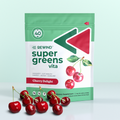
Cherry Delight
$39.99

Pineapple Dream
$39.99
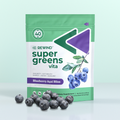
Blueberry Acai Bliss
$39.99


