

Eating out is one of life's great joys. It means time with friends and family, a break from cooking, and a chance to try something new. For many people, it is also just part of a busy week, whether it is a quick lunch near work, a takeout dinner after a long day, or a weekend brunch. Most Americans eat food from restaurants several times a week.
The challenge is that restaurant meals are often much bigger, saltier, and richer than what we would make at home. That does not mean you need to give up eating out. With a few simple strategies, you can enjoy restaurant food and still feel good about your choices. This guide shows you how to plan ahead, read a menu like a pro, make easy swaps, and balance restaurant meals with the rest of your week.
Bigger than most people think. Researchers measured the calories in popular meals from restaurants in three U.S. cities, including both local spots and big chains. The average meal had about 1,300 calories. That is about two thirds of what a typical adult needs for a whole day, in just one meal. And 92 percent of the meals had more calories than a person needs for a single meal. American, Italian, and Chinese restaurants tended to serve the biggest meals.
A review of many studies found that eating out was linked with eating more calories and more fat overall. Some large studies also found that people who ate out more often got less of certain important nutrients, especially vitamin C, calcium, and iron. That makes sense. Restaurant meals often come with fries, bread, and creamy sauces, and fewer fruits and vegetables than a balanced home meal.
Not at all. Eating out can absolutely be part of a healthy life. It is about how often you eat out and what you order. A few smart habits can turn a 1,300-calorie meal into a balanced, satisfying one without taking the fun out of it.
Most restaurants post their menus online. Take a few minutes to look before you go. When you decide ahead of time, you are less likely to make a rushed choice when you are hungry and surrounded by tempting smells. Many chain restaurants also list calories and nutrition information online, which makes comparing options easier.
No. Skipping meals to save up for a big restaurant dinner usually backfires. You arrive starving and end up eating more than you planned, often starting with the bread basket. Instead, eat normally during the day. A light, healthy snack, like an apple or a handful of nuts, an hour or so before you go can help you order with a clear head.
Look for words like grilled, baked, broiled, roasted, steamed, poached, and seared. These cooking methods usually use less oil and butter. Words like fresh, garden, and seasonal often point to dishes with more vegetables.
Watch for words like fried, crispy, crunchy, battered, breaded, smothered, loaded, creamy, cheesy, Alfredo, and au gratin. These usually mean more fat, salt, and calories. You do not have to avoid them completely, but it helps to know what you are choosing.
Use the same plate guide you use at home. Aim for about half your plate to be vegetables, a quarter to be protein like chicken, fish, beans, or lean beef, and a quarter to be a starch like rice, potatoes, or bread. If your meal does not come that way, ask for changes or add a side of vegetables.
Most restaurants are happy to make small changes. Swap fries for a side salad, steamed vegetables, or fruit. Ask for sauces and dressings on the side, so you can use just what you want. Choose whole grain bread or brown rice when it is offered. Ask for grilled chicken or fish instead of fried. Request extra vegetables on your sandwich, pasta, or pizza. These swaps often cost nothing and save hundreds of calories.
Since restaurant portions are often big enough for two, plan to eat half. Ask for a to-go box when your food arrives and pack up half right away. That way, you get two meals for the price of one. You can also share an entrée with a friend, order an appetizer or a half portion as your main dish, or choose a lunch-size portion when it is offered.
Drinks can add a surprising amount of sugar and calories. Regular sodas, sweet tea, lemonade, milkshakes, and many specialty drinks can have as much sugar as a dessert. Water, sparkling water with lemon, and unsweetened iced tea are great choices. If you drink alcohol, keep it to one drink and sip it slowly with your meal.
Dessert can be part of a great meal out. Share one with the table so everyone gets a few bites. Fruit-based desserts are often lighter. Or skip dessert at the restaurant and enjoy a piece of fruit at home later. Enjoying a treat slowly and on purpose usually feels more satisfying than eating a big dessert out of habit.
At Mexican restaurants, choose fajitas, grilled fish or chicken tacos, or burrito bowls loaded with beans, salsa, and vegetables. Go easy on the chips, cheese, and sour cream. At Italian restaurants, try pasta with tomato-based sauces instead of cream sauces, add a side salad, and keep an eye on portion size. At Chinese and other Asian restaurants, look for steamed or stir-fried dishes with lots of vegetables, and ask for sauce on the side. Choose brown rice if available. At American restaurants and diners, try grilled proteins with vegetable sides, salads with dressing on the side, or a sandwich with a side salad instead of fries. At pizza places, choose thin crust, load up on vegetable toppings, and pair a slice or two with a salad.
Fast food can be tricky, but you still have options. Choose grilled chicken sandwiches or wraps, salads with grilled protein, smaller burgers, and fruit or side salads instead of fries. Skip the large sizes and combo upgrades. Water or unsweetened drinks are better than soda. Many fast food chains post nutrition information, which makes comparing easier.
Kids menus are often full of fried foods and fries. Look for grilled options, and ask if you can swap fries for fruit, veggies, or applesauce. Milk or water is a better drink choice than soda. You can also order a regular entrée for the kids to share, which often comes with more vegetables.
One meal does not make or break your health. What matters most is your overall pattern. If you know you are eating out tonight, make your other meals lighter and full of vegetables and fruit. Take a walk after your meal. Drink plenty of water. And try to cook at home more often than you eat out, since home meals usually have more vegetables and fewer calories.
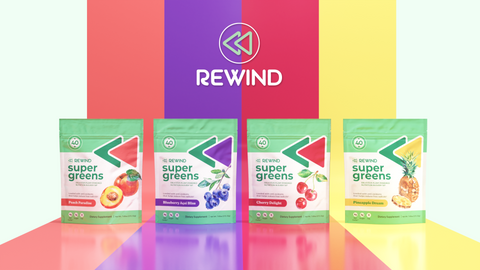
Research suggests that people who eat out often may get less vitamin C, calcium, and iron. A morning greens drink is a simple way to support your nutrition on busy weeks with a lot of meals out. Acerola Extract brings vitamin C, and Spirulina brings iron. Leafy greens like Spinach Leaf Powder and Organic Broccoli Powder, plus berry ingredients like Blueberry Powder and Bilberry Fruit Extract, add a wide mix of plant nutrition that restaurant meals often lack. Single-serve packs are easy to carry when you are traveling or on the go.
Research has characterized the energy content of restaurant meals and the dietary correlates of eating food prepared away from home.
Restaurant meals are a normal, enjoyable part of life, but they are often much bigger than we need, with an average meal coming in around 1,300 calories. Research also links frequent eating out with more calories and fat and less vitamin C, calcium, and iron. The good news is that a few simple habits can make a big difference.
Look at the menu ahead of time. Choose grilled, baked, or steamed dishes. Ask for swaps like a side salad or vegetables instead of fries, and sauces on the side. Box up half your meal right away. Choose water over sugary drinks, and share dessert. Balance your restaurant meals with home cooking, movement, and a daily greens drink. That way, you can enjoy every meal out and still feel your best.
There is no single right answer. It depends on what you order and the rest of your eating habits. Many people do well eating out once or twice a week and cooking at home most other days. If you eat out more often, the swaps and portion tips in this guide become even more helpful.
Not always. Some restaurant salads have more calories than a burger, thanks to fried toppings, lots of cheese, candied nuts, and creamy dressings. Choose salads with grilled protein and plenty of vegetables, and ask for dressing on the side.
Not at all. Restaurants get requests like these all the time. Ask politely, keep it simple, and most servers will be happy to help. Asking for dressing on the side or a vegetable swap is very common.
Eat a light snack an hour or two before you go. Drink a glass of water when you sit down. Start with a broth-based soup or a side salad. Eat slowly and put your fork down between bites. It takes about 20 minutes for your brain to get the message that you are full.
Yes. Single-serve packs are easy to toss in a bag, suitcase, or car. Mix one into a bottle of water in the morning, and you will start the day with a base of plant nutrition, no matter where your meals come from.
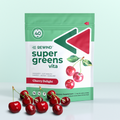
Cherry Delight
$39.99
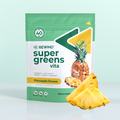
Pineapple Dream
$39.99
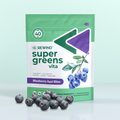
Blueberry Acai Bliss
$39.99


