

In the summer, staying hydrated feels natural. It is hot, you sweat, and you reach for cold water without thinking. But when the leaves start to fall and the air turns cool, something sneaky happens. Most people drink less. They do not feel as thirsty. The water bottle gets left on the counter. And slowly, day by day, many people end up running low on water without even noticing.
Your body needs water every single day, no matter the season. It helps you think clearly, keeps your energy up, helps your skin stay soft, and keeps your digestion moving. Fall and winter bring their own water challenges, from dry indoor heat to chilly air that quiets your thirst. This guide explains why that happens and gives you simple, practical ways to stay hydrated all season long, including how your daily greens drink can help.
Yes. This is not just in your head. Researchers have tested it. In one study, people walked and exercised in a cold room and in a warm room. In the cold room, they felt much less thirsty, even when their bodies were already low on water. Other research has found that cool air can lower your sense of thirst by as much as 40 percent.
Here is why. When you are cold, your body narrows the blood vessels near your skin to keep warmth close to your heart. This pushes more blood toward your center. Your body reads that as having plenty of fluid, so it turns down the thirst signal. The result is that you feel fine, even when you really need a drink.
You still lose water in the fall and winter, sometimes more than you think. Every time you breathe out on a cold day and see a little cloud, that cloud is water leaving your body. Indoor heating dries out the air in your home and office, which pulls moisture from your skin and the inside of your nose and mouth. Bundling up in heavy layers can make you sweat without realizing it, especially when you move between cold outdoors and warm indoors. And many people swap cold water for warm drinks that are easy to forget about.
Your body gives you clues, even when thirst is quiet. Check the color of your pee. Pale yellow usually means you are doing well. Dark yellow is a sign to drink more. Other common signs include headaches, feeling tired in the afternoon, trouble focusing, dry lips, dry or itchy skin, and constipation. Feeling hungry soon after eating can sometimes be thirst in disguise too.
It can. Research suggests that even being a little low on water may affect mood and the ability to focus in some people. Scientists are still studying exactly how much it takes and who is most affected. But many people notice they feel sharper and more upbeat when they drink enough. Water is one of the simplest things you can try when you feel foggy or cranky.
Older adults need to pay extra attention because the sense of thirst tends to fade with age. Young children may not notice or say they are thirsty. People who exercise outdoors in cold weather, people who work in cold places, and people who spend long hours in heated buildings are also more likely to fall behind on water.
Eight glasses is an easy goal to remember, but real needs vary. Your size, how active you are, where you live, and your health all play a part. A widely used guide suggests that adult women need about 11 cups of total water a day and adult men need about 15 cups. That total includes water from food and all drinks, not just plain water. About one fifth of your daily water usually comes from food.
Yes. Herbal tea, milk, broth, and soup all count toward your daily total. So do water-rich foods like oranges, apples, pears, cucumbers, celery, and leafy greens. In the fall, a warm bowl of vegetable soup is a cozy way to get both water and nutrients. Sugary sodas and sweet specialty drinks do add fluid, but they also add a lot of sugar, so they are not the best choice for most of your water.
It does. When you mix your greens powder into 8 to 16 ounces of water, that is 8 to 16 ounces toward your daily goal, first thing in the morning. After a long night of sleep, your body is naturally low on water. Starting your day with a big glass of greens gets you off to a strong start before the busy day makes you forget.
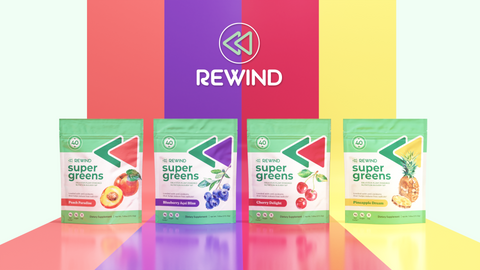
Many people find plain water boring, especially when it is cold outside. A flavored greens drink like Pineapple Dream, Blueberry Açaí Bliss, Peach Paradise, or Cherry Delight makes that first glass something you actually look forward to.
Your body uses certain minerals to help keep water where it belongs, inside and around your cells. Barley Grass Powder and Wheatgrass Powder bring magnesium, which also helps your muscles relax. Spinach Leaf Powder and other leafy greens add more minerals. Acerola Extract adds vitamin C, which helps keep your skin healthy when dry indoor air is working against it. Together, these make your morning glass more than just water.
You can use room-temperature or slightly warm water if cold water sounds unappealing on a chilly morning. Try not to use very hot or boiling water. High heat can break down some of the vitamins, like vitamin C. Stir it well, drink it up, and enjoy.
Keep a reusable water bottle with you everywhere, and refill it at the same times each day, like when you arrive at work and after lunch. Drink a glass of water with every meal. Set a reminder on your phone if you often forget. Try warm water with a slice of lemon, or a mug of herbal tea, when you want something cozy. Keep a glass of water by your bed. And start every morning with your greens drink.
Fall brings cozy foods, holiday treats, and more time indoors. It also brings more snacking. Sometimes what feels like hunger is really thirst. The signals for hunger and thirst can feel alike, especially in the afternoon. Before you reach for a snack, try drinking a full glass of water and waiting 10 minutes. If you are still hungry, go ahead and eat something. If not, your body may have just needed water. This simple test can help you listen to your body more closely and stay better hydrated at the same time.
Indoor heating can leave your skin and nose feeling dry and uncomfortable. A humidifier adds moisture back into the air in your bedroom or office. Drink water steadily through the day instead of all at once. Use a gentle moisturizer on your skin after showering. And eat plenty of water-rich fruits and vegetables. Your skin gets its water from the inside first.
Yes, especially before a walk, a run, a hike, or outdoor work. Since cold air lowers your thirst, do not wait until you feel thirsty. Drink a glass of water before you head out, and bring a bottle if you will be gone for a while. An insulated bottle keeps water from freezing on very cold days.
The physiological roles of water and the effects of environmental temperature on thirst regulation are well characterized in the literature.
Cooler weather quietly turns down your thirst, while dry indoor heat and chilly air keep pulling water out of your body. That combination makes fall and winter a surprisingly easy time to fall behind on water. The fix is simple: do not wait for thirst to tell you what to do. Build water into your day with a few easy habits.
Start every morning with your greens drink mixed in a big glass of water. Carry a water bottle. Drink with every meal. Enjoy herbal tea and vegetable soup. Eat water-rich fruits and vegetables. These small steps help you feel clearer, more energized, and more comfortable all season long.
Your needs may be a little lower when you are not sweating as much, but they do not disappear. Cold air, dry indoor heat, and heavy clothing all cause water loss. And because thirst is weaker in the cold, many people drink less than they need. Aim to keep your pee pale yellow as a simple guide.
For most healthy people, it is very hard to drink too much water in a normal day. It can happen with extreme amounts in a short time, or with certain health conditions. If you have heart, kidney, or other health conditions, or you have been told to limit fluids, follow your doctor's advice.
Yes. Herbal teas like peppermint, chamomile, ginger, or rooibos are a cozy way to add water in cooler months. Keep the added sugar and honey light.
Most people mix one serving with 8 to 16 ounces of water. Using more water makes a lighter taste and gives you more hydration to start your day. Stir or shake well and drink it right away.
It can be one sign, but dry skin in winter often comes from dry air and hot showers too. Drinking enough water helps from the inside. A humidifier, shorter lukewarm showers, and a good moisturizer help from the outside. Doing both gives the best results.
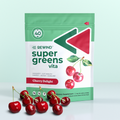
Cherry Delight
$39.99
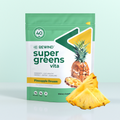
Pineapple Dream
$39.99
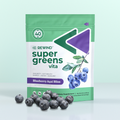
Blueberry Acai Bliss
$39.99


