

Almost everyone has started a new health plan with big hopes. Maybe it was a new workout, a new way of eating, or a promise to drink more water. The first week goes great. The second week is a little harder. By week three or four, life gets busy, and the plan quietly slips away. If that sounds familiar, you are not alone, and it is not because you lack willpower.
The problem is that most plans depend on motivation, and motivation goes up and down. Habits are different. Once something becomes a real habit, you do it without having to think or push yourself. Scientists have studied how habits form, and the good news is that anyone can use what they have learned. This guide breaks it down into simple steps you can use to build any healthy habit, including your daily greens drink.
A goal is something you want, like having more energy or eating more vegetables. A habit is something you do automatically, without deciding each time. Think about brushing your teeth. You do not wake up and debate whether to brush. You just do it, because it is tied to a certain time and place, like right after you get out of bed. That automatic action is what makes it a habit.
Goals are important because they give you a reason. But habits are what get you there. The trick is to turn the actions that lead to your goal into habits that run on autopilot.
Your brain loves to save energy. When you do the same thing in the same situation again and again, your brain starts to link the two. After enough repeats, the situation alone is enough to trigger the action. You walk into the kitchen in the morning, and your hand reaches for your greens without you thinking about it. At that point, you no longer need willpower. The habit carries you, even on busy, stressful, or tired days.
You may have heard that it takes 21 days to build a habit. That number is popular, but research tells a different story. In one well-known study, people picked one healthy action, like eating a piece of fruit with lunch or drinking a glass of water after breakfast. They did it every day for 12 weeks. On average, it took about 66 days for the action to feel automatic. But the range was huge. For some people it took just 18 days. For others it took more than 250 days.
This is actually good news. If a new habit still feels like work after three weeks, nothing is wrong with you. You are right on track. Simple actions, like drinking a glass of something, tend to become automatic faster than harder ones, like a long workout.
Missing one day does not ruin a habit. Research on habit building found that an occasional missed day did not stop people from forming their habit over time. What matters most is getting back on track the next day. A helpful rule is this: never miss twice in a row. One missed day is a small bump. Two or three in a row can start a new pattern of skipping.
An anchor is something you already do every day without fail. Brushing your teeth, making your bed, feeding the dog, or starting the car are all good anchors. When you attach a new habit to an old one, the old habit reminds you to do the new one. It is like adding a new car to a train that is already running.
Use this simple sentence: After I [old habit], I will [new habit]. For example: After I brush my teeth in the morning, I will mix my greens drink. After I put my keys on the counter, I will fill my water bottle. After I finish dinner, I will take a 10-minute walk. The more specific your sentence is, the better it works. Write it down and stick it somewhere you will see it.
Research on healthy eating habits shows that tying a new behavior to the same place and time each day helps it stick. Doing it at random times makes it much harder for your brain to connect the dots.
Every extra step between you and a new habit makes it more likely you will skip it. If your greens powder is hidden in the back of a cupboard, and your shaker bottle is in the dishwasher, you might decide it is not worth the trouble on a busy morning. But if everything is sitting right on the counter, ready to go, the habit takes 30 seconds and almost no effort.
Keep your greens container and a glass or shaker bottle in the same spot every day, right where your anchor happens. If your anchor is brushing your teeth, keep them in the kitchen you walk into right after. Fill your shaker bottle with water the night before and keep it in the fridge. Toss single-serve packs in your work bag, gym bag, and car so you are covered on travel days. The goal is to make the healthy choice the easiest choice.
Yes, a lot. Studies on eating habits suggest that people are more likely to keep up a habit when it feels good or rewarding to them. If you dread something, you will look for reasons to skip it. If you look forward to it, you will protect it.
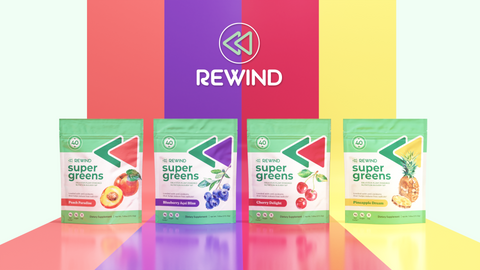
Pick a flavor you truly enjoy. Rewind Greens comes in Pineapple Dream, Blueberry Açaí Bliss, Peach Paradise, and Cherry Delight. If you like variety, the Vita Variety Pack lets you switch flavors from day to day. Try mixing your greens into a smoothie with frozen fruit, or shaking it with extra ice for a colder, more refreshing drink. Drink it in a glass you love. Take a moment to sit by a sunny window while you drink it. Small touches turn a task into a treat.
Tracking helps you see your progress, and seeing progress feels good. A simple wall calendar where you draw an X for each day works great. So does a free habit app on your phone. After a week or two, you will have a streak you do not want to break. That little bit of pride can carry you through the days when you do not feel like it.
Wait until your first habit feels easy and automatic before adding another. Trying to change everything at once is one of the most common reasons people give up. Once your morning greens feel like brushing your teeth, you can stack a new habit on top. For example: After I drink my greens, I will fill my water bottle for the day. Then later: After I fill my water bottle, I will do five minutes of stretching. Over months, one small habit can grow into a whole healthy morning routine.
A daily greens drink is a great first habit because it is quick, simple, and easy to repeat. It takes about 30 seconds. It does not require cooking, a gym, or a big change to your schedule. And each serving delivers 24 plant ingredients, including leafy greens, berries, and Spirulina. It is a small action with a big payoff, which makes it the perfect building block for a healthier routine.
Behavioral science research characterizes habit as a learned, cue-dependent process that can support long-term maintenance of health behaviors.
Lasting change does not come from a burst of motivation. It comes from small actions repeated in the same way, at the same time, until they happen on their own. That takes a little patience. For most people, it is closer to two months than three weeks. But once a habit is built, it keeps working for you with almost no effort.
Start small. Anchor your new habit to something you already do. Make it easy by setting everything out in advance. Make it enjoyable by choosing a flavor you love. Track your progress, and never miss twice. A daily greens drink is one of the simplest places to begin. Build that first habit, and you will have a strong foundation for every healthy habit that comes next.
The best time is whenever you have a reliable anchor. For most people, that is the morning, right after something they always do, like brushing their teeth or getting dressed. Mornings also tend to have fewer surprises than evenings, which makes the habit easier to protect.
It varies from person to person. Simple habits like drinking a glass of something can feel automatic in a few weeks. For others, it takes a couple of months. Keep going, even if it still takes effort after 21 days. That is completely normal.
Make the habit more visible. Put your greens container right next to your anchor, like beside the toothbrush holder or on the counter by the sink. You can also set a phone reminder for the first few weeks. Once the habit sets in, you will not need the reminder anymore.
Pick an anchor that happens no matter what your schedule looks like, like the first time you brush your teeth after waking up. Keep single-serve packs with you for travel and busy days. The key is linking the habit to an action, not a specific time on the clock.
It is best to start with one. Once the first habit feels easy, add the next one by stacking it on top: After I drink my greens, I will fill my water bottle. Building one habit at a time gives each one the best chance to stick.
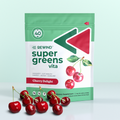
Cherry Delight
$39.99
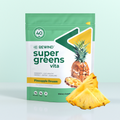
Pineapple Dream
$39.99
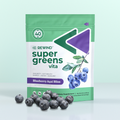
Blueberry Acai Bliss
$39.99


