

Nurses, factory crews, truck drivers, police officers, warehouse teams, and hospital staff keep the world running while everyone else sleeps. If you work nights or rotating shifts, you already know how hard it can be to eat well. Your breakfast might happen at 6 p.m. Your lunch might be at 2 a.m. The only food around might come from a vending machine. And when you finally get home, you may be too tired to cook anything at all.
Research shows that shift workers often eat fewer fruits and vegetables and more sugary and fried foods than people who work during the day. This is not about willpower. It is about schedules, tiredness, and what food is easy to reach. The good news is that a few simple changes can make a big difference. This guide gives you practical, plain-language tips for eating well on any schedule, plus how a daily greens drink can help fill the gaps.
Your body has a built-in clock that runs on a roughly 24-hour cycle. Sunlight in the morning helps set it. This clock tells your body when to feel awake, when to feel sleepy, when to feel hungry, and even when to digest food best. During the day, your body is ready to handle meals. At night, it expects to rest, repair, and slow down.
When you work at night, you ask your body to be active when its clock says sleep. You also eat when your stomach expects to be resting. Over time, this mismatch can leave you feeling tired, foggy, and out of sorts. It can also make it harder for your body to handle big, heavy meals in the middle of the night.
When you are tired, your brain looks for quick energy. Sugary and salty snacks give a fast lift, then a fast crash. Many workplaces make this worse. The cafeteria might be closed at night. Vending machines and gas stations are often the only choices. Coworkers bring treats to get through the long hours. It all adds up. Studies of healthcare workers found that the overall quality of their meals dropped on night shift days compared with the days before and after.
Research on shift workers points to a clear pattern. Many eat less fiber, fewer fruits and vegetables, and more fried and sugary foods. Some studies also found shift workers were low in important vitamins and minerals, such as vitamin D, calcium, iron, and the orange plant pigments found in carrots and other colorful vegetables. Some shift workers eat more calories than they need. Others skip meals and end up eating far too little. Either way, the quality of the food often suffers.
Your body needs a steady supply of vitamins, minerals, and plant nutrients to feel its best. When those run low, you may notice more tiredness, catch more colds, feel moody, or have trouble focusing. For people doing demanding, important work, like caring for patients or driving big trucks, feeling sharp matters. Filling nutrition gaps is one practical way to support your energy and focus, shift after shift.
A good plan is to eat your main meal before your shift starts, ideally in the late afternoon or early evening. This is when your body is still in daytime mode and handles food well. During the night, choose smaller, lighter snacks instead of a big, heavy meal. Your stomach tends to work more slowly at night, so heavy food can leave you feeling sluggish and uncomfortable.
When you get home in the morning, have a light meal or snack before bed so hunger does not wake you up. Try not to eat a huge meal right before sleeping. Keep your eating times as regular as you can from one shift to the next. Your body likes routine, even on an unusual schedule.
Pick snacks that give steady energy instead of a quick spike. Great options include Greek yogurt with berries, a handful of nuts, apple slices with peanut butter, hummus with carrot sticks, a hard-boiled egg, cheese with whole grain crackers, or a small bowl of oatmeal. Pack them in a cooler bag before your shift. When healthy food is right in front of you, you are much less likely to head to the vending machine.
The best time is at the start of your day, whatever time that is. For a night worker, your day might start at 4 p.m. Take your greens then, along with your first meal. Tie it to something you always do when you wake up, like brushing your teeth or filling your water bottle. That way, it happens every day no matter how your schedule changes.
A greens drink takes about 30 seconds. It needs no cooking, no refrigerator, and no planning. Keep a container at home and single-serve packs in your work bag or locker. On a rotating schedule, this is one of the few healthy habits you can keep exactly the same every single day.
Rewind Greens contains 24 plant ingredients in every serving. That includes leafy greens like Spinach Leaf Powder and Organic Broccoli Powder. It includes grass powders like Barley Grass and Wheatgrass, which bring magnesium. It includes Spirulina, which brings iron and B vitamins. It includes Carrot Powder for the orange plant pigment many shift workers miss. And it includes Acerola Extract for vitamin C. For someone who struggles to eat vegetables on a night shift, a greens drink is a simple way to get a wide mix of plant nutrients every day.
Siberian Ginseng and Astragalus Root have been used for a long time to help the body handle stress. When taken daily over several weeks, they may help support steady energy and help your body cope with the strain of long or unusual hours. They do not replace sleep. Nothing does. But they can be part of a routine that supports you through demanding weeks.
Good sleep is the most important thing a shift worker can protect. Make your bedroom as dark as possible with blackout curtains or an eye mask. Keep it cool and quiet. Use earplugs or a fan to block daytime noise. Put your phone away before bed. Let family and friends know your sleep hours so they can help you protect them. Try to sleep at the same time after each shift.
Busy night shifts make it easy to forget to drink. Research on healthcare workers found they drank noticeably less water during night shifts than day shifts. Fill a large water bottle before you leave home and keep it within reach. Aim to finish it by your break, then refill it. Water helps with focus and energy, and it can keep you from mistaking thirst for hunger.
Sugary energy drinks give a fast lift followed by a crash that can leave you feeling worse. They can also make it harder to sleep once you get home. Water, herbal tea, and a healthy snack are gentler ways to keep going. If you use any energy drinks, have them early in your shift and stop well before your planned sleep time.
Studies of shift-working populations consistently document changes in dietary patterns, diet quality, and chrononutrition behaviors associated with night and rotating work.
Shift work asks a lot of your body. You work when your body clock says rest, and you often eat whatever is close at hand. Over time, that can leave gaps in the nutrients you need to feel your best. The fix does not have to be complicated. Eat your main meal before your shift. Choose lighter snacks during the night. Pack healthy food so you are not stuck with the vending machine. Drink water. And protect your sleep like it is part of your job.
A daily greens drink is one of the easiest habits to keep on any schedule. It takes 30 seconds, fits in a work bag, and delivers 24 plant ingredients, including leafy greens, Spirulina, Acerola, and Carrot Powder, that shift workers often miss. Take it at the start of your day, whenever your day begins, and give your body steady support through every shift.
Take it at the start of your day, whatever time you wake up. For many night workers, that is late afternoon. Linking it to your first meal or another wake-up habit makes it easy to remember, even when your schedule changes.
No. A greens drink is a daily nutrition boost, not a meal. It is low in calories and does not provide the protein and energy you need for a full shift. Use it alongside real meals and snacks, not instead of them.
Rotating schedules are tough. Focus on habits you can keep the same no matter what: your greens drink when you wake up, a packed snack bag, a full water bottle, and a regular wind-down routine before sleep. These anchors give your body some routine even when your hours change.
You do need fuel to get through a night shift. The key is to keep night meals small and light. A big, heavy meal at 3 a.m. can leave you feeling sluggish and uncomfortable. Save your largest meal for before your shift starts.
Siberian Ginseng and Astragalus Root are not stimulants, and they will not keep you awake like an energy drink. When taken daily over weeks, they may help support your body's ability to handle stress. They work best alongside good sleep, regular meals, and plenty of water.
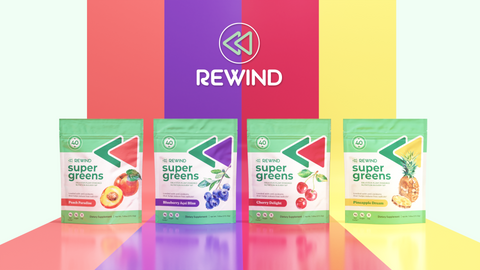
Cherry Delight
$39.99

Pineapple Dream
$39.99
Blueberry Acai Bliss
$39.99


