

Most people do not think about their bones until something goes wrong. A fall. A fracture. A doctor's warning about thinning bones. But your bones are working for you every second. They hold you up, protect your heart and brain, store important minerals, and give your muscles something to pull against so you can move. Keeping them strong is one of the best things you can do for an active, independent life.
The good news is that bone health is not just about luck or genes. What you eat and how you move every day make a real difference at every age. Calcium and vitamin D usually get all the attention, and they matter a lot. But your bones need a whole team of nutrients, including several that come from green and colorful plants. This guide explains how bones work, which nutrients support them, and simple daily habits that help keep your skeleton strong for years to come.
Yes. It is easy to think of bones as dry, solid sticks, like the skeletons you see in a museum. But the bones inside your body are living tissue. Every day, special cells break down small bits of old bone, and other cells build new bone to replace them. This constant renewal keeps your bones strong and lets them repair small cracks before they become big problems. Over about ten years, most of your skeleton gets replaced.
During childhood and the teen years, your body builds bone faster than it breaks it down. Most people reach their strongest bones, called peak bone mass, by about age 30. After that, the balance slowly shifts. You start to lose a little more bone than you build each year. For women, bone loss speeds up for several years in midlife. For men, it tends to happen more slowly. Good nutrition and exercise help slow this loss down at any age.
When bones lose too much strength, they become thin and brittle and can break easily, sometimes from a simple fall or even a hard cough. Broken hips, wrists, and spines are especially serious for older adults. Many people do not know their bones are getting weak until they break one. That is why building good habits early, and keeping them up, matters so much.
Calcium is the main mineral that makes bones hard. Your body also needs calcium for your heart, muscles, and nerves to work. If you do not eat enough, your body pulls calcium from your bones to keep everything else running. Good sources include milk, yogurt, cheese, fortified plant milks, tofu made with calcium, canned salmon with bones, almonds, and some leafy greens like kale and collards.
Vitamin D helps your body absorb the calcium you eat. Without enough vitamin D, even a calcium-rich diet cannot do its full job. Your skin makes vitamin D from sunlight, but in fall and winter, many people get less sun and their levels drop. Fatty fish, egg yolks, and fortified foods provide some vitamin D. Many people need a supplement, especially in winter. Ask your doctor whether a vitamin D test makes sense for you.
Yes. Bones are not just minerals. They have a flexible inner framework made largely of protein, with minerals packed around it. Eating enough protein supports that framework and the muscles that protect your bones. Include protein foods like eggs, beans, fish, poultry, yogurt, tofu, and nuts at each meal.
Vitamin K is best known for helping blood clot. But your bones need it too. Vitamin K helps activate a protein that helps lock calcium into your bones. Research suggests that bones may need more vitamin K than blood clotting does. The best food sources are dark leafy greens like spinach, kale, and collards, plus broccoli and Brussels sprouts. In one small study, adults who added two to three extra servings of leafy greens a day for four weeks showed changes in a bone-related marker that researchers saw as a helpful sign.
Rewind Greens includes Spinach Leaf Powder and Organic Broccoli Powder, two of the classic vitamin K foods. If you take a blood thinner like warfarin, talk to your doctor before making changes to how many greens you eat.
About 60 percent of the magnesium in your body is stored in your bones. Magnesium helps build bone crystals, and it helps your body use calcium and vitamin D properly. When magnesium runs low, your body may pull it out of your bones. Many Americans do not get enough magnesium, because the best sources, like leafy greens, nuts, seeds, beans, and whole grains, often get skipped. Barley Grass Powder and Wheatgrass Powder in your greens drink help add magnesium to your day.
Vitamin C helps your body build the flexible framework inside your bones, the same tough, stretchy material found in skin and blood vessels. Without enough vitamin C, that framework does not form as well. Acerola Extract, one of the richest natural sources of vitamin C, gives you a steady daily supply in Rewind Greens, along with Strawberry Fruit Powder and Pineapple Juice.
Yes. Diets rich in fruits and vegetables are linked to stronger bones in many studies. Plants bring potassium, magnesium, vitamin C, vitamin K, and natural protective compounds that help balance the wear and tear your body faces every day. Colorful foods like berries, carrots, and dark greens all play a part. A daily greens drink brings 24 plant ingredients together, which is a simple way to add more of this plant variety.
Bones get stronger when they have to work. Weight-bearing exercise, where your feet and legs carry your body weight, sends a signal to your bones to build up. Walking, hiking, dancing, climbing stairs, jogging, and tennis are all great choices. Strength training, like lifting weights, using resistance bands, or doing bodyweight moves like squats and push-ups, is also very helpful. Aim for some kind of movement most days, plus strength work two or three times a week.
Strong bones are only part of the picture. Not falling in the first place matters just as much, especially as we age. Balance exercises like standing on one foot, tai chi, and yoga help you stay steady on your feet. Strong leg muscles also help catch you if you trip.
Smoking speeds up bone loss and slows bone healing. Drinking a lot of alcohol harms bones and raises the risk of falls. Very low-calorie diets can starve your bones of the nutrients they need. Sitting for most of the day takes away the signal your bones need to stay strong. And a diet heavy in sugary drinks and processed foods often leaves less room for the fruits, vegetables, and calcium-rich foods your bones depend on.
It can. When you eat a lot of salt, your body flushes out extra calcium along with the extra salt when you pee. Over time, that adds up. Most salt in the American diet comes from packaged foods, fast food, and restaurant meals, not the salt shaker. Cooking more meals at home, reading labels, and flavoring food with herbs, spices, garlic, and lemon instead of extra salt can help protect the calcium your bones need.
A simple, painless bone density scan can show how strong your bones are. It is often recommended for women 65 and older, men 70 and older, and younger adults with certain risk factors, like a past broken bone from a minor fall, long-term steroid use, or a family history of weak bones. Ask your doctor whether a scan is right for you.
Vitamin K, magnesium, and green leafy vegetable intake have each been studied in relation to bone metabolism and skeletal health.
Your bones are living, changing tissue that depends on you every day. Calcium, vitamin D, and protein are the foundation. But a strong skeleton also needs a green team of supporting nutrients: vitamin K from leafy greens, magnesium from grasses, nuts, and seeds, and vitamin C from fruits. Exercise sends the signal that tells your bones to stay strong, and balance training helps keep you from falling.
A daily greens drink makes it easier to cover the plant side of bone health. Spinach Leaf Powder and Organic Broccoli Powder bring leafy green goodness. Barley Grass and Wheatgrass bring magnesium. Acerola Extract brings vitamin C. Pair it with calcium-rich foods, enough vitamin D, regular movement, and a check-in with your doctor about bone testing. Small habits today build a stronger skeleton for tomorrow.
No. A greens drink is not a major calcium source. Most people need dairy foods, fortified plant milks, calcium-set tofu, canned fish with bones, or a calcium supplement to meet their daily needs. Think of your greens drink as part of the supporting team that brings vitamin K, magnesium, and vitamin C.
It is never too late to help your bones. While you may not rebuild bone the way a teenager does, good nutrition, strength training, and weight-bearing exercise can slow bone loss and reduce your risk of falls and fractures at any age.
Not necessarily, but talk to your doctor. People on warfarin are usually told to keep their vitamin K intake steady rather than avoid it. Big day-to-day changes in leafy green intake can affect how the medicine works. Your doctor or pharmacist can help you plan.
Absolutely. Childhood and the teen years are when most bone is built. Plenty of active play, sports, calcium-rich foods, fruits, and vegetables help young people build strong bones that last a lifetime. Talk to a pediatrician before giving children any supplement.
Get moving. Take a brisk walk, climb some stairs, or do a few squats. Then build a meal around leafy greens, a protein food, and a calcium source. Add your morning greens drink, and you have covered many bases in one day.
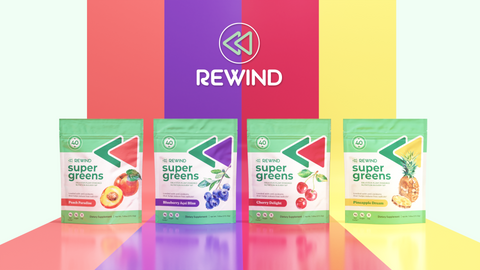
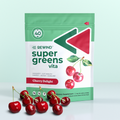
Cherry Delight
$39.99
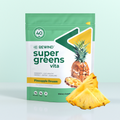
Pineapple Dream
$39.99
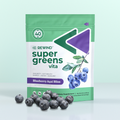
Blueberry Acai Bliss
$39.99


