

Beans and lentils might be the most underrated foods in the grocery store. They are cheap, they last for months in the pantry, they work in almost any type of cuisine, and they pack a surprising amount of nutrition into a small package. People in many of the world's longest-living communities eat them almost every day. Yet most Americans eat them only once in a while, if at all.
If you have ever wondered how to cook beans, how to deal with the gas, or whether canned beans are as good as dried ones, this guide is for you. We will cover what makes beans and lentils so good for you, what the research says, easy ways to add them to your meals, and how they pair with your daily super greens drink.
Beans, lentils, chickpeas, and dried peas belong to a food group often called pulses. They are the dried seeds of plants in the legume family. Popular examples include black beans, pinto beans, kidney beans, navy beans, cannellini beans, chickpeas (also called garbanzo beans), black-eyed peas, split peas, and lentils in green, brown, red, and black varieties. Peanuts and soybeans are legumes too, though they are usually grouped a little differently because they have more fat.
Both. Beans are unusual because they fit into two food groups. Like meat, they are rich in protein, iron, and zinc. Like vegetables, they are full of fiber, folate, and potassium. That makes them a great choice for anyone, whether you eat meat or not.
A half-cup of cooked beans or lentils usually has about 7 to 9 grams of protein and 6 to 8 grams of fiber, all for around 110 to 130 calories. That is a lot of fiber, since most Americans get only about half of the fiber they need each day. Beans and lentils are also good sources of folate, iron, magnesium, potassium, and zinc. They are naturally low in fat and contain no cholesterol.
Research shows that eating beans and lentils regularly can help lower LDL cholesterol, often called bad cholesterol. A large review of clinical trials found that eating about one serving of pulses a day, roughly three quarters of a cup, lowered LDL cholesterol by about 5 percent. Another review of feeding studies found that diets rich in pulses modestly lowered blood pressure. Lower cholesterol and lower blood pressure are both good news for your heart.
Yes. The protein and fiber in beans slow down digestion, which helps you feel satisfied longer. A review of feeding studies found that meals with pulses left people feeling more full than comparison meals without them. That can make it easier to avoid snacking between meals and to manage your weight.
Because beans are digested slowly, they release energy gradually instead of causing a quick spike and crash. Adding beans to a meal with rice, pasta, or bread can help keep your energy more even throughout the afternoon.
Yes. Canned beans are just as nutritious as cooked dried beans in most ways, and they are much more convenient. The main thing to watch is salt. Many canned beans have a lot of added sodium. Choose cans labeled low sodium or no salt added when you can. Draining and rinsing canned beans in a strainer can wash away a good amount of the extra salt.
Dried beans are cheaper and let you control the salt. Most dried beans should be soaked first. Cover them with plenty of water and soak them overnight, or bring them to a boil for 2 minutes, then let them sit covered for an hour. Drain, add fresh water, and simmer until tender, usually 45 minutes to 2 hours depending on the bean. A pressure cooker or electric multicooker can cut cooking time a lot. Lentils and split peas do not need soaking and cook in 15 to 30 minutes, which makes them a great place to start.
Yes. Cook a big batch, let it cool, and freeze it in 1.5-cup portions, which is about the same as a can. Frozen beans keep for several months and are ready to add to soups, chili, tacos, and salads.
Beans contain natural sugars that your body cannot fully break down. When these sugars reach the lower part of your digestive system, they can produce gas. This is normal and not harmful, but it can be uncomfortable or awkward.
Start slowly. Add a small amount of beans to your meals, like a quarter cup, and build up over a few weeks. Many people find their bodies adjust and gas becomes less of a problem. Soaking dried beans and throwing out the soaking water helps. So does rinsing canned beans. Cooking beans until very soft can make them easier to digest. Lentils and split peas tend to cause less gas than larger beans. Drinking plenty of water and chewing slowly can help too.
Toss a can of rinsed black beans or chickpeas into a salad. Add kidney beans or lentils to chili, soups, and stews. Mix white beans into pasta with tomato sauce and spinach. Replace half the ground beef in tacos, burritos, or meat sauce with lentils or black beans. Stir lentils into rice or quinoa. Mash white beans with garlic and olive oil for a quick sandwich spread.
Very. Beans and lentils are some of the cheapest sources of protein you can buy. A one-pound bag of dried beans usually costs less than a single serving of meat at many stores, and it makes about ten half-cup servings once cooked. Canned beans cost a little more but save time. Buying dried beans in bulk, cooking big batches, and freezing them in portions can stretch your grocery budget even further, especially for families.
Hummus with carrot sticks, cucumber slices, or whole grain crackers is a classic. Roasted chickpeas make a crunchy snack. Toss rinsed chickpeas with olive oil and spices, and bake until crispy. Edamame, which are young soybeans, are another tasty, protein-packed snack. Bean dips and black bean salsa are great for parties.
Try a black bean and sweet potato burrito bowl with brown rice and salsa. Make a big pot of lentil soup with carrots, celery, and spinach. Cook a quick chickpea curry with canned tomatoes and spices over rice. Whip up a three-bean chili with whatever beans you have in the pantry. Most of these take 30 minutes or less, and leftovers taste even better the next day.
Beans and lentils are a great plant source of iron, but plant iron is harder for the body to absorb than iron from meat. Vitamin C helps a lot. When you eat vitamin C-rich foods at the same meal as beans, your body can absorb much more of their iron. Acerola Extract in your super greens drink is one of the richest natural sources of vitamin C. Bell peppers, tomatoes, citrus fruits, and broccoli are great vitamin C partners too.
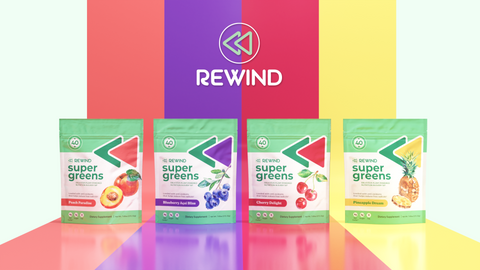
A daily super greens drink adds 24 plant ingredients to your day, including leafy greens like Spinach Leaf Powder and Organic Broccoli Powder, grasses like Barley Grass and Wheatgrass, and Spirulina, which brings protein, iron, and B vitamins. Paired with a lunch or dinner built around beans, whole grains, and vegetables, it helps you get a wide mix of plant foods every day.
Systematic reviews and meta-analyses of controlled trials have examined the effects of dietary pulse intake on lipid targets, blood pressure, and satiety.
Beans and lentils are small, inexpensive foods with big benefits. They bring protein, fiber, iron, folate, potassium, and magnesium in one package, and they count as both a protein and a vegetable. Research shows that eating about one serving a day can help lower bad cholesterol, and that pulses can help with blood pressure and with feeling full.
Start slowly, rinse canned beans, and choose low-sodium options. Add beans and lentils to salads, soups, tacos, pasta, and grain bowls. Pair them with vitamin C-rich foods to absorb more iron, and start each day with your super greens drink for an extra boost of plant nutrition. A can of beans might be the easiest health upgrade in your kitchen.
A good goal is about half a cup to three quarters of a cup of cooked beans or lentils a day, or at least a few servings a week. Research on cholesterol found benefits at about one serving a day. Start smaller if you are not used to eating beans, and build up over time.
Absolutely. Beans are a great addition to any diet. You can mix them into meat dishes to stretch your budget and add fiber, or swap them in for meat a few meals a week.
They can be. Traditional refried beans are sometimes made with lard and a lot of salt. Look for vegetarian or fat-free versions with lower sodium, or make your own by mashing pinto or black beans with a little olive oil, garlic, and spices.
You do not need to eat them at the same meal. As long as you eat a variety of plant foods throughout the day, like beans, whole grains, nuts, and seeds, your body can get all the building blocks of protein it needs. Beans and rice are a delicious combination either way.
Beans are high in potassium and phosphorus, which some people with kidney disease need to limit. If you have kidney disease or have been told to watch these minerals, talk to your doctor or a dietitian about how beans can fit into your diet.
Cherry Delight
$39.99
Pineapple Dream
$39.99
Blueberry Acai Bliss
$39.99


