

The respiratory system is one of the most continuously exposed organs in the human body. Every breath brings in not just oxygen but the full aerosol environment of the surrounding air: viral particles, bacteria, pollutants, allergens, and the inflammatory debris of urban and indoor environments. The epithelial lining of the airways, from the nasal passages through the bronchi to the alveoli of the lungs, represents the first line of defense against this inhaled burden, and its integrity, mucosal immune function, and antioxidant protection determine how well that defense holds up against the seasonal surge in respiratory pathogens that arrives with the cooler months.
September marks the beginning of the respiratory virus season in the Northern Hemisphere. As people move indoors, school returns, and ventilation decreases, the transmission conditions for influenza, RSV, rhinoviruses, and other respiratory pathogens reach their seasonal peak. The nutritional dimension of respiratory resilience is underappreciated: specific plant compounds, particularly the polyphenols concentrated in a daily greens formula, have documented effects on airway oxidative stress, respiratory mucosal immunity, and the antiviral defense mechanisms that determine whether a pathogen exposure becomes a significant illness.
The respiratory epithelium is not merely a passive barrier. It is an active immune organ. Mucosal epithelial cells produce antimicrobial peptides, mucins that trap pathogens before they can access cell surfaces, and innate immune signaling molecules including interferons that alert neighboring cells and the underlying immune tissue to pathogen presence. The ciliated epithelial cells of the upper airways generate the mucociliary clearance system that mechanically removes trapped particles and pathogens from the airways before they reach the lower respiratory tract. And the resident immune cells of the respiratory mucosa, including macrophages, dendritic cells, and natural killer cells, maintain surveillance and provide the first cellular immune response to airway pathogens.
All of these functions depend on the nutritional status of the epithelial and immune cells performing them. Vitamin C from Acerola Extract is required for collagen synthesis in the connective tissue of airway walls and is directly concentrated in respiratory epithelial cells where it serves as the primary water-soluble antioxidant against the oxidative stress of continuous airway exposure to reactive compounds. Zinc from Spirulina is required for the synthesis of antimicrobial peptides and the activation of innate immune cells. B vitamins from Spirulina support the cellular energy production that the metabolically demanding work of mucosal immune defense requires.
Cold and dry autumn air reduces the water content of airway mucus, impairing its viscosity and the mucociliary clearance function that depends on it. Reduced temperature constricts mucosal blood vessels, reducing the delivery of immune cells and antibodies to airway mucosal surfaces. And the reduced UV exposure of autumn decreases Vitamin D synthesis, impairing the induction of antimicrobial peptides including cathelicidin in respiratory epithelial cells that are one of the most powerful innate defenses against respiratory pathogens. The seasonal convergence of impaired physical airway defenses and reduced immune nutritional status creates the window of vulnerability that respiratory virus season exploits.
Quercetin Dihydrate has the most extensively studied respiratory protection profile among dietary plant polyphenols. Research has documented that Quercetin inhibits viral attachment and replication through direct antiviral mechanisms against multiple respiratory pathogens including influenza and coronaviruses, by interfering with viral entry receptors and inhibiting viral RNA polymerase activity. Beyond direct antiviral effects, Quercetin activates the Nrf2 pathway in airway epithelial cells, upregulating the antioxidant enzymes that protect against the oxidative stress of airway inflammation and infection. And it inhibits NLRP3 inflammasome activation, the innate immune signaling complex that when overactivated produces the damaging inflammatory response of severe respiratory illness.
Resveratrol has documented antiviral properties against multiple respiratory viruses and has been specifically studied for its effects on influenza virus replication, with research finding inhibition of viral neuraminidase activity that is a key step in viral spread between cells. Its Sirtuin-activating effects also regulate the antiviral interferon response in respiratory epithelial cells, supporting the innate antiviral signaling that limits viral replication at the mucosal surface before infection becomes established.
Green Tea Extract EGCG has one of the most specifically documented respiratory protection profiles among plant compounds. Research has found that EGCG directly inhibits viral attachment to respiratory epithelial cells by binding to viral surface proteins, reducing the efficiency of viral entry for multiple respiratory pathogens. It activates Nrf2-dependent antioxidant defenses in lung epithelial cells, protecting against the oxidative damage that respiratory viral infections and environmental pollutants generate. And it has anti-fibrotic properties that reduce the excessive fibrotic repair response that severe respiratory infections can trigger in lower airway tissue.
EGCG has also been studied for its effects on the gut-lung axis, the bidirectional immune communication between gut microbiome and respiratory mucosal immune tissue that research has established as a significant modulator of respiratory infection outcomes. By supporting the gut microbial populations that produce anti-inflammatory short-chain fatty acids and regulate systemic immune tone, EGCG's gut microbiome effects extend to benefit respiratory immune calibration through this systemic pathway.
The gut-lung axis describes the bidirectional immunological and metabolic communication between the gut microbiome and the respiratory mucosal immune system. Research has established that gut microbiome composition significantly influences the outcome of respiratory viral infections: animals with diverse, healthy gut microbiomes mount more effective respiratory antiviral responses and experience less severe illness from the same viral inoculum than those with depleted or dysbiotic microbiomes. Short-chain fatty acids produced by gut bacteria are detectable in respiratory tissue and modulate the inflammatory tone of the airway mucosal immune response.
The plant polyphenols in a daily greens formula continuously support the gut microbial populations most protective of gut-lung axis immune calibration: the Bifidobacterium and Lactobacillus species that produce butyrate and other short-chain fatty acids that train immune tolerance and antiviral responsiveness throughout the body. This gut-mediated respiratory immune support is an underappreciated dimension of how daily plant nutrition strengthens respiratory defenses through systemic mechanisms that extend beyond the direct antiviral effects of plant compounds.
Spirulina has documented respiratory immune relevance through several mechanisms. Its phycocyanin reduces the pro-inflammatory cytokine production that drives the excessive inflammatory response of severe respiratory illness, while preserving the antiviral innate immune signaling that limits viral replication. Its comprehensive zinc content supports antimicrobial peptide synthesis in respiratory epithelial cells. And its beta-glucan polysaccharides have documented immune-stimulating effects on respiratory mucosal immunity, supporting the innate immune responsiveness that first-line airway defense requires.
Research on Spirulina and respiratory immunity has found improvements in natural killer cell activity and macrophage function in supplemented populations, consistent with the zinc and polysaccharide mechanisms through which Spirulina supports the cellular immune defense that respiratory pathogen encounters demand. Consistent daily Spirulina intake through a greens formula builds this immune support baseline continuously rather than providing it only reactively after illness begins.
The respiratory health evidence for plant polyphenols and plant-derived compounds is a rapidly growing body of research with significant clinical implications.
Respiratory health during cold season is not primarily determined by whether you encounter viruses. In a shared indoor environment during September through March, virtually everyone encounters respiratory pathogens. What determines whether those encounters produce significant illness is the resilience of the respiratory epithelial defenses, the effectiveness of the innate and adaptive immune responses at the airway mucosal surface, and the antioxidant protection that prevents the inflammatory overshoot of infection from producing more damage than the pathogen itself. Plant polyphenols address all three dimensions simultaneously.
A daily greens drink provides the Quercetin antiviral and Nrf2-activating defense, the EGCG antioxidant and anti-inflammatory respiratory protection, the Acerola Vitamin C epithelial antioxidant support, the Spirulina zinc for antimicrobial peptide synthesis, and the gut-lung axis immune calibration that comes from consistent daily plant polyphenol support of the gut microbiome. Start in September. Build it through October. The respiratory protection compounds with every day of consistent daily plant nutrition.
A greens drink addresses the nutritional dimensions of respiratory immune defense, including airway antioxidant protection, innate immune cell support, and gut-lung axis immune calibration. These are genuine mechanisms that reduce susceptibility and potentially severity of respiratory illness, not guarantees of immunity. No dietary supplement prevents all viral infections, but consistent daily plant nutrition meaningfully supports the biological defenses that determine how respiratory pathogen encounters resolve.
September is the optimal window to establish or reinforce the daily greens habit for respiratory season. The adaptogenic immune-building effects of Astragalus Root and Siberian Ginseng build over several weeks of consistent daily use, meaning starting in September gives the immune support the lead time it needs before the peak respiratory virus circulation of November through February. The polyphenol antioxidant and antiviral effects provide more immediate support from the first day of consistent use.
Stick to the standard daily serving rather than increasing during illness. The mechanisms through which greens polyphenols support respiratory immunity are cumulative and maintenance-based rather than acute high-dose effects. During active illness, adequate hydration, rest, and medical care as appropriate are the priority management strategies. The greens habit's primary respiratory value is in the weeks and months of consistent daily intake that precede illness, not the acute management of an established infection.
Yes, and the research on this is increasingly robust. Gut microbiome composition measurably influences respiratory infection outcomes through the gut-lung axis immune regulatory pathways. People with more diverse, plant-polyphenol-supported gut microbiomes mount more effective respiratory antiviral responses in research models. Consistent daily plant nutrition that maintains gut microbiome health is a genuine respiratory immune investment, not merely a digestive one.
Quercetin Dihydrate has the most specific antiviral and Nrf2-activating respiratory evidence. Green Tea Extract EGCG has the most comprehensive respiratory disease mechanism documentation. Acerola Vitamin C is the most direct airway epithelial antioxidant. Spirulina provides the zinc for antimicrobial peptide synthesis and the phycocyanin anti-inflammatory support that prevents excessive inflammatory responses. And Astragalus Root has the most documented innate immune and interferon-supporting evidence among the adaptogenic ingredients. Together they provide multi-layer respiratory immune nutritional support.

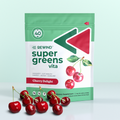
Cherry Delight
$39.99
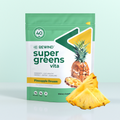
Pineapple Dream
$39.99
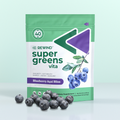
Blueberry Acai Bliss
$39.99


