

The kidneys are among the most metabolically active organs in the body. They filter approximately 180 liters of blood every day, performing the extraordinary work of separating the waste products of metabolism from the nutrients, proteins, and electrolytes that need to be conserved and returned to circulation. To accomplish this, kidney tissue maintains an extraordinarily high blood flow rate and metabolic rate, which makes it simultaneously one of the most essential and one of the most oxidatively challenged tissues in the body.
The consequences of kidney health decline are severe and cumulative. Chronic kidney disease affects approximately 15 percent of American adults and is, in its early stages, almost entirely silent. Blood pressure and blood glucose management receive far more attention as kidney health priorities than they deserve. What receives almost no attention is the nutritional dimension of kidney protection: the antioxidant compounds that neutralize the reactive oxygen species generated by the kidney's high metabolic activity, the anti-inflammatory plant compounds that reduce the chronic low-grade renal inflammation driving progressive kidney function decline, and the specific mechanisms through which consistent daily plant nutrition may support the filtration system that determines what leaves the body and what stays.
The kidney's extraordinary filtration capacity requires an exceptionally high blood flow rate: the kidneys receive approximately 20 to 25 percent of cardiac output despite comprising less than 0.5 percent of body weight. This high perfusion rate exposes renal tissue to more circulating reactive oxygen species, oxidized lipids, and inflammatory mediators per unit time than almost any other organ. The tubular cells of the kidney also have one of the highest mitochondrial densities of any cell type, producing large amounts of ATP through oxidative phosphorylation, and with it proportionally large amounts of mitochondrial-derived reactive oxygen species.
When renal antioxidant defenses are overwhelmed by this oxidative load, the consequences include glomerulosclerosis, where the filtering glomeruli become scarred and non-functional; tubulointerstitial fibrosis, where the tubular cells that concentrate urine and reabsorb nutrients are replaced by scar tissue; and the gradual, progressive decline in glomerular filtration rate that defines chronic kidney disease progression. Research has established that oxidative stress is not merely a marker of kidney disease but a primary driver of its progression, making the antioxidant nutritional environment of renal tissue a genuine target for kidney protection.
Plant flavonoids, the polyphenol class that includes Quercetin, EGCG, and the anthocyanins from Blueberry and Bilberry, protect kidney tissue through multiple documented mechanisms. Research on flavonoids in kidney disease has found that they improve antioxidant status in renal cells through Nrf2 pathway activation, reducing the reactive oxygen species that drive glomerulosclerosis and tubular cell apoptosis. They modulate inflammatory markers including NF-κB-driven cytokine production in renal immune cells. And they reduce the tubular cell apoptosis that is the primary mechanism of nephron loss in progressive kidney disease.
Quercetin Dihydrate has specific documented effects on kidney protection through inhibition of xanthine oxidase, one of the primary generators of superoxide radicals in renal tissue. By reducing xanthine oxidase-derived ROS specifically in kidney tissue, Quercetin addresses the most quantitatively significant source of oxidative kidney injury. Research has also found that Quercetin reduces kidney fibrosis through inhibition of the TGF-beta signaling pathway that drives the fibrotic repair response converting functional nephrons to non-functional scar tissue.
Resveratrol activates SIRT1 in kidney tubular cells, producing mitochondrial biogenesis and reduced mitochondrial ROS production that directly addresses the primary source of intrinsic renal oxidative stress. Its Nrf2-activating effects upregulate the superoxide dismutase and glutathione peroxidase antioxidant enzymes most protective of renal mitochondrial function. Research has documented that Resveratrol reduces markers of kidney injury in multiple experimental models through these mitochondrial-protective antioxidant mechanisms.
Green Tea Extract EGCG has been specifically studied for renal protection through its free radical scavenging ability against the hydroxyl, superoxide, and peroxynitrite radicals most damaging to renal tissue. Research has found that EGCG chelates the transition metals that catalyze the most destructive oxidative reactions in kidney tissue, reducing lipid peroxidation in renal cell membranes and protecting glomerular filtration barrier integrity. Its anti-inflammatory effects reduce the cytokine-driven renal inflammation that promotes progressive fibrosis in chronic kidney disease.
Spirulina has been studied specifically for kidney-protective properties with encouraging findings. Its phycocyanin reduces oxidative stress markers in renal tissue and has documented anti-inflammatory effects that reduce the inflammatory signaling most associated with progressive kidney function decline. Research has found that Spirulina supplementation reduces markers of kidney injury in populations with metabolic risk factors, consistent with its ability to reduce the oxidative and inflammatory burden that drives nephron loss.
Spirulina's comprehensive protein and mineral profile also has kidney-relevant implications. Its complete amino acid content supports the protein quality that kidney function maintenance requires, without the excessive protein load that very high-protein diets impose on renal filtration. And its magnesium content supports the blood pressure regulation that is one of the most important modifiable determinants of kidney function preservation over time.
Research on dietary patterns and chronic kidney disease risk has found consistent associations between Western dietary patterns, high in red and processed meats, refined carbohydrates, and low in plant foods, and increased kidney disease incidence and progression. Plant-rich dietary patterns are consistently associated with slower kidney function decline, lower proteinuria, and better long-term kidney outcomes in population research. The protective mechanisms include reduced dietary acid load from plant foods compared to animal foods, lower phosphate and protein burden on renal filtration, better blood pressure and blood glucose management, and the direct antioxidant and anti-inflammatory effects of plant polyphenols in renal tissue.
A daily greens drink contributes the most concentrated and diverse plant polyphenol input available in a single serving, delivering the Quercetin, Resveratrol, EGCG, anthocyanins, and phycocyanin that research has associated with renal protection through multiple simultaneous mechanisms. It does not replace the comprehensive dietary pattern choices that kidney health requires, but it provides the most nutritionally dense plant compound contribution to renal protection available in a 30-second daily habit.
The evidence for plant polyphenols in kidney protection is a rapidly growing and clinically significant research area.
The kidneys work ceaselessly to keep the internal environment of the body clean, stable, and functional. They do this at an oxidative cost that makes them particularly vulnerable to the cumulative damage of decades of high metabolic activity in the absence of adequate antioxidant nutritional support. Plant polyphenols address this vulnerability through the most biologically appropriate mechanisms available: direct free radical scavenging in renal tissue, Nrf2-mediated upregulation of endogenous antioxidant enzymes, anti-inflammatory reduction of the cytokine-driven renal injury that drives fibrosis, and mitochondrial protection that addresses the primary source of intrinsic renal oxidative stress.
A daily greens drink provides the Quercetin, Resveratrol, EGCG, Spirulina phycocyanin, Blueberry and Bilberry anthocyanins, and Grapeseed proanthocyanidins that collectively represent the most comprehensive dietary polyphenol kidney protection strategy available in a daily food-matrix supplement. Your kidneys have been working for you every second of every day. A daily greens drink is one of the simplest nutritional investments you can make in their protection.
Anyone with diagnosed kidney disease should discuss all supplements with their nephrologist before making changes. Kidney disease significantly affects how nutrients are filtered and can influence the blood levels of minerals including potassium, phosphorus, and magnesium from supplements in ways that require medical monitoring. A greens powder is designed for generally healthy adults, and anyone with clinically significant kidney function impairment needs medical guidance on any supplement.
At the food-matrix amounts in a standard greens formula serving, Spirulina's iron does not create meaningful kidney burden for people with normal kidney function. The kidneys filter excess iron as with other minerals, and food-matrix iron is regulated by the body's absorption mechanisms more efficiently than supplemental iron salts. For people with normal kidney function, the iron from Spirulina in a greens drink is a nutritional contribution rather than a renal burden.
Hypertension is the second leading cause of chronic kidney disease after diabetes, and the damage works bidirectionally: high blood pressure damages the glomerular capillaries of the kidney, and kidney damage impairs blood pressure regulation, creating a worsening cycle. The Grapeseed Extract proanthocyanidins in a greens formula have documented mild blood pressure-reducing effects through vascular tone mechanisms. The Quercetin and EGCG anti-inflammatory effects reduce the endothelial dysfunction that contributes to hypertensive renal injury. These are modest contributions to blood pressure management that complement rather than replace medical management of hypertension.
Both matter and address different aspects of kidney health. Adequate hydration maintains the urine concentration gradient that protects tubular cells from toxic metabolite concentration and supports kidney stone prevention through adequate urinary volume. Plant antioxidant nutrition protects the renal tissue from the oxidative stress that drives progressive nephron loss. Neither makes the other irrelevant, and both together provide more comprehensive kidney protection than either alone.
Kidney stone prevention is complex and depends on the specific stone type, which requires medical evaluation. Adequate hydration is the most universally applicable preventive measure. Plant polyphenols including Quercetin have uricosuric effects that may reduce uric acid stone formation, and the reduced dietary acid load of plant-rich diets is associated with lower calcium oxalate stone risk in population research. However, some plant compounds including Vitamin C can convert to oxalate in certain individuals, and anyone with a history of oxalate stones should discuss their nutritional approach with a healthcare provider.
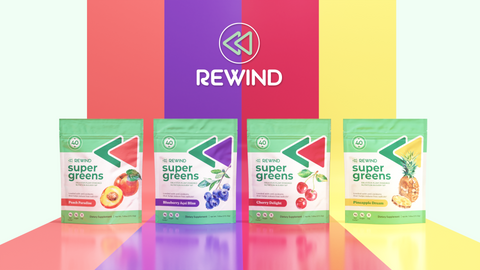
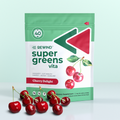
Cherry Delight
$39.99
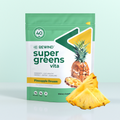
Pineapple Dream
$39.99
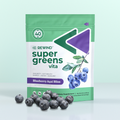
Blueberry Acai Bliss
$39.99


