

As summer fades and autumn arrives, your skin faces a set of challenges that are genuinely different from what the warmer months required. Lower humidity, both outdoors in dry fall air and indoors with central heating systems running, reduces the moisture content of the skin's outermost layer. Reduced UV exposure means less Vitamin D synthesis but also less photoprotective skin activity. Temperature fluctuations between warm indoor environments and cold outdoor air stress the skin barrier repeatedly throughout each day. And the seasonal shift in circadian light exposure triggers changes in hormone levels, cortisol patterns, and microbiome composition that all have downstream effects on skin quality.
Managing autumn and winter skin effectively means adapting both external skin care and the internal nutritional foundation that skin barrier function, collagen maintenance, and skin immune defense all depend on. A daily super greens drink, with its concentrated supply of skin-relevant plant nutrients, provides the inside layer of a seasonal skin care approach that no topical product can replicate from the outside.
The skin barrier, primarily composed of the outermost stratum corneum layer of dead keratinocytes embedded in a lipid matrix of ceramides, cholesterol, and free fatty acids, maintains skin hydration by preventing transepidermal water loss. Its function depends on both the structural integrity of the lipid matrix and the water content of the corneocytes within it. When environmental humidity falls below approximately 40 percent, the concentration gradient driving water out of skin tissue increases, transepidermal water loss rises, and the corneocytes begin losing the water content that maintains their flexibility and barrier function.
Research has documented consistent seasonal changes in skin biophysical properties with the autumn-winter transition, including measurably increased transepidermal water loss, reduced skin moisture content, increased skin roughness, and compromised barrier function compared to summer measurements. These changes are not imaginary or minor cosmetic variations. They represent genuine functional changes in the skin's capacity to protect itself from irritants, allergens, and pathogens, and they contribute to the increased rates of eczema flares, sensitive skin reactivity, and contact dermatitis that many people experience in the fall and winter months.
Autumn's shortening days reduce both UV exposure and overall light input in ways that have direct skin consequences. Reduced UVB exposure means reduced cutaneous Vitamin D synthesis, and while Vitamin D is not in the greens formula's ingredients, its insufficiency affects the skin immune system's capacity to regulate inflammatory responses, which worsens the reactive skin conditions that fall humidity changes tend to trigger. Reduced overall light input shifts melatonin and cortisol patterns in ways that affect skin repair processes during sleep, sebum production patterns, and skin microbiome composition.
The shorter, darker days of autumn also mean that skin's antioxidant defense systems, which are partly trained by the seasonal UV exposure of summer, are less actively upregulated. The consistent daily antioxidant input from a greens formula becomes even more important in autumn precisely because the seasonal reduction in UV-stimulated endogenous antioxidant activity creates a greater gap between oxidative challenge and defense capacity.
Vitamin C is arguably the single most important micronutrient for autumn skin management, operating through three distinct mechanisms that are each more relevant in cooler, drier conditions. First, it is an essential cofactor for collagen synthesis, required for the hydroxylation of proline and lysine residues that stabilize the triple helix structure of collagen. Autumn skin that already has its barrier function compromised by low humidity and temperature stress depends more heavily on collagen-supported structural integrity. Second, Vitamin C is the primary water-soluble antioxidant of the skin, protecting keratinocytes and dermal fibroblasts from the oxidative stress that increases with seasonal inflammatory challenges. Third, research has documented that Vitamin C supports the barrier-sealing lipid profile of the stratum corneum, with adequate Vitamin C status associated with better ceramide synthesis and a more intact moisture barrier.
The Acerola Extract in a daily greens formula provides Vitamin C in food-matrix form alongside bioflavonoids that enhance its absorption and stability. For people whose fresh fruit and vegetable intake declines in autumn with the end of summer's natural abundance, the Acerola in a daily greens drink maintains the Vitamin C baseline that skin barrier maintenance demands through the months when it is most challenged.
Carotenoids including beta-carotene from Carrot Powder and the mixed carotenoids from Spirulina are deposited in skin tissue where they perform two functions particularly relevant to the autumn season. As fat-soluble antioxidants, they protect the lipid-rich components of the skin barrier, specifically the ceramides and cholesterol that form the mortar between skin cells, from oxidative modification that compromises their barrier function. And as precursors to Vitamin A, beta-carotene supports the keratinocyte differentiation that produces well-structured, properly keratinized skin cells capable of forming an effective barrier layer.
Autumn skin that is repeatedly exposed to dry air and temperature fluctuations generates more free radical activity in the barrier lipids, and the carotenoid antioxidant protection becomes particularly relevant to maintaining the lipid integrity that prevents moisture loss. Consistent daily carotenoid intake from a greens formula maintains the skin's fat-soluble antioxidant reserve at a time when seasonal challenges are most actively depleting it.
Many people notice increased skin sensitivity, reactivity, and inflammatory flares in autumn as their barrier function is compromised by seasonal conditions. When the barrier is less intact, environmental irritants and allergens penetrate more easily, triggering immune responses in the skin that produce redness, itch, and inflammation. The anti-inflammatory polyphenol network in a daily greens formula, including Quercetin, Green Tea Extract EGCG, Resveratrol, and Spirulina phycocyanin, reduces the systemic inflammatory background and the skin-specific inflammatory responsiveness that barrier compromise amplifies.
Quercetin's mast cell-stabilizing effects are particularly relevant: it inhibits the histamine and inflammatory mediator release from skin mast cells that drives the reactive skin response to barrier compromise and allergen exposure. This is the same mechanism that makes Quercetin relevant to allergic and atopic conditions, and it provides meaningful support for the increased skin reactivity that seasonal barrier compromise produces in many people.
Research has documented seasonal changes in the skin microbiome, with shifts in bacterial diversity and composition occurring with temperature, humidity, and UV exposure changes between summer and fall. The skin microbiome plays a crucial role in barrier defense, with commensal bacteria producing antimicrobial peptides and competing with pathogenic species for colonization sites. When the skin microbiome is disrupted by seasonal conditions, the risk of pathogenic colonization, infection, and inflammatory responses increases.
The gut-skin axis means that the gut microbiome health that daily plant nutrition supports has indirect but measurable effects on skin microbiome composition through shared immune regulatory pathways. The anti-inflammatory polyphenols in a greens formula also have direct effects on skin bacterial populations when they circulate to cutaneous tissue, reducing the overgrowth of pro-inflammatory skin bacterial species that thrives in barrier-compromised autumn skin. Consistent daily plant nutrition through the seasonal transition supports both the gut microbial environment and the systemic immune calibration that the skin microbiome depends on.
The nutritional science of skin barrier function and the role of dietary antioxidants in maintaining skin health through seasonal challenges is well-established.
Autumn is not just a season change. It is a skin care challenge that combines reduced humidity, temperature fluctuations, light reduction, and seasonal inflammatory shifts into a sustained test of skin barrier resilience that topical products alone cannot fully address. The nutritional inside layer of a seasonal skin care approach includes the Acerola Vitamin C that supports barrier collagen and antioxidant defense, the carotenoids from Carrot Powder and Spirulina that protect barrier lipids, the anti-inflammatory polyphenol network that manages the reactive inflammatory responses that barrier compromise amplifies, and the Lutein that protects the retinal tissue under greater digital light exposure as outdoor activity shifts indoors.
A daily greens drink is the simplest, most consistently deliverable inside-layer investment in autumn skin health available. Take it every morning, from September through to spring. Let the antioxidants, collagen cofactors, and anti-inflammatory plant compounds do their work from the inside while your moisturizer and skin care routine manage the outside. Both dimensions matter. Both are more effective together.
The greens formula's value for skin is consistent year-round, but certain mechanisms become more critical in autumn. Vitamin C from Acerola and carotenoids from Carrot Powder address the collagen and barrier lipid support most stressed by dry autumn conditions. Anti-inflammatory polyphenols address the increased reactivity that barrier compromise produces. And the Lutein becomes particularly relevant as digital screen time increases indoors during shorter days. You do not need a different formula for autumn, but you may find you notice the skin-relevant benefits more clearly during this season.
Skin cell turnover is approximately 28 days for the outer layer, meaning nutritional changes begin affecting visible skin quality over four to eight weeks. The immediate effects of Vitamin C on antioxidant skin defense appear more quickly, within days to weeks. The deeper effects on collagen density and barrier lipid quality take longer, building over consistent months of daily nutritional input. Starting or maintaining the daily greens habit in September gives the most benefit through the autumn and winter season.
Both, and they address different dimensions of the problem. External moisturizers provide immediate barrier support by reducing transepidermal water loss through occlusion and delivering humectant and emollient compounds to the skin surface. Internal nutrition supports the biological capacity to maintain and repair the barrier from within, including the collagen synthesis, ceramide production, and antioxidant defense that determine how well the barrier holds up under seasonal challenge. Neither alone is as effective as both together.
Yes. The increased rates of eczema, psoriasis, and reactive skin conditions in autumn partly reflect the gut-skin axis effects of the same seasonal factors that affect skin directly. Dietary changes toward heavier, less plant-rich autumn diets reduce the beneficial gut bacterial populations most protective of systemic and skin immune regulation. Stress from the back-to-school and work-season return affects gut barrier function. And the microbiome-immune connection means that gut health deterioration translates to increased skin inflammatory reactivity. Daily plant nutrition through a greens formula addresses the gut dimension of autumn skin health alongside its direct skin-relevant mechanisms.
Spirulina is one of the more comprehensively skin-supportive individual ingredients in a greens formula, relevant across all seasons but particularly in autumn. Its phycocyanin reduces the systemic inflammatory tone that barrier-compromised autumn skin amplifies. Its carotenoids protect barrier lipids from oxidative modification. Its zinc supports tight junction integrity in the gut barrier and its analogue in the skin. And its comprehensive B-vitamin content supports the cellular turnover of keratinocytes that maintains the quality of the skin's outermost protective layer through the seasonal stress period.
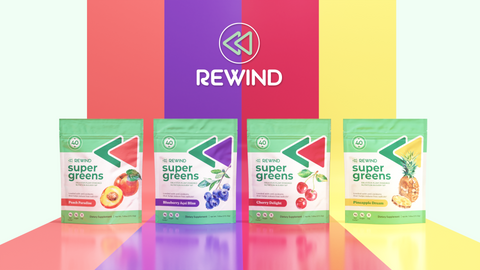
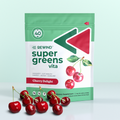
Cherry Delight
$39.99
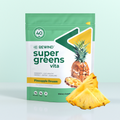
Pineapple Dream
$39.99
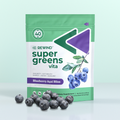
Blueberry Acai Bliss
$39.99


