

For years, nuts had a bad reputation. They are high in fat and calories, so many people treated them like junk food and avoided them. But research has completely changed that picture. Today, nuts and seeds are seen as some of the most helpful foods you can add to your day. A small handful packs healthy fats, protein, fiber, vitamins, and minerals into a crunchy, satisfying snack.
This guide explains what makes nuts and seeds so good for you, what the research says, how much to eat, and easy ways to add them to your meals. You will also learn how nuts and seeds pair with a daily super greens drink for a simple, plant-rich routine.
In the kitchen, nuts include almonds, walnuts, pecans, pistachios, cashews, hazelnuts, Brazil nuts, macadamias, and pine nuts. Peanuts are technically a legume, like beans, but they are eaten like nuts and offer many of the same benefits. Popular seeds include chia seeds, flaxseeds, pumpkin seeds, sunflower seeds, sesame seeds, and hemp seeds. Nut and seed butters, like peanut butter, almond butter, and tahini, count too.
Nuts and seeds are rich in healthy fats, mostly the kind found in olive oil and fish. They also bring protein, fiber, vitamin E, magnesium, potassium, zinc, and natural plant compounds. Each kind has its own strengths. Walnuts are known for their plant-based omega-3 fats. Almonds are high in vitamin E. Pumpkin seeds are rich in magnesium and zinc. Brazil nuts are packed with selenium, so just one or two a day is plenty. Chia and flaxseeds bring lots of fiber.
Many large studies have followed hundreds of thousands of people over many years. One big review combined the results of 20 of these studies. People who ate about one handful of nuts a day, about one ounce, had a lower risk of heart disease and cancer, and a 22 percent lower risk of dying early from any cause, compared with people who ate few or no nuts. A later review that pulled together dozens of earlier reviews also found that eating nuts was linked with a lower risk of heart disease.
Nuts contain healthy fats that can help lower LDL cholesterol, often called bad cholesterol, especially when they replace less healthy foods like chips, cookies, or processed meats. Their fiber, magnesium, and potassium also support a healthy heart and blood pressure. And the natural plant compounds in nuts help protect your cells from everyday wear and tear.
It seems like they should, since they are high in calories. But research has not found that eating nuts in normal amounts leads to weight gain. The protein, fiber, and fat in nuts help you feel full, so many people end up eating less of other foods. Also, your body does not absorb all the calories in whole nuts, since some pass through undigested. The key is to enjoy a handful, not the whole bag.
Seeds have been studied less than nuts, but they share many of the same strengths. Like nuts, they bring healthy fats, protein, fiber, and minerals in a small package. Chia seeds and ground flaxseeds are especially high in fiber, and they soak up liquid, which makes them great for thickening oatmeal, smoothies, and puddings. Pumpkin seeds bring magnesium and zinc, and sunflower seeds bring vitamin E. Because seeds are so small, they are easy to sprinkle on almost anything, which makes them a simple way to add more variety to your meals.
A serving of nuts is about one ounce, which is roughly a small handful or a quarter cup. That is about 23 almonds, 14 walnut halves, 49 pistachios, or 28 peanuts. A serving of seeds is about one to two tablespoons for chia or flax, or a quarter cup for pumpkin or sunflower seeds. A serving of nut butter is about two tablespoons.
Nuts are easy to overeat straight from the bag. Portion them into small containers or snack bags ahead of time. Choose nuts in the shell, like pistachios or peanuts, which slow you down. Sprinkle nuts on foods instead of eating them by the handful. And keep the big bag in the pantry, not on the counter.
Raw and dry-roasted nuts are both great choices. Pick unsalted or lightly salted versions most of the time to keep sodium low. Watch out for candied, honey-roasted, chocolate-covered, or yogurt-coated nuts, which can have a lot of added sugar. Trail mixes can also hide candy and sweetened dried fruit, so read the label or make your own.
The best nut butters have just one or two ingredients, like peanuts and maybe a little salt. Many popular brands add sugar and oils. Natural nut butters may separate, with oil on top. Just stir it back in and keep the jar in the fridge after opening.
Because of their healthy oils, nuts and seeds can go stale or taste bitter over time. Store them in airtight containers in a cool, dark place. For longer storage, keep them in the fridge for several months or the freezer for up to a year. Ground flaxseed goes stale fastest, so keep it in the fridge or freezer.
Stir chia seeds or ground flaxseed into oatmeal or yogurt. Top whole grain toast with peanut butter and banana slices. Add a handful of walnuts or pumpkin seeds to a salad. Spread almond butter on apple slices. Mix sunflower seeds into a wrap or grain bowl for crunch.
Toss chopped almonds or cashews into a stir-fry. Use crushed nuts as a crispy coating for fish or chicken instead of breadcrumbs. Sprinkle sesame seeds on roasted vegetables. Blend cashews into a creamy sauce. For snacks, grab a portioned handful of mixed nuts, make your own trail mix with nuts, seeds, and a few raisins, or enjoy celery sticks with peanut butter.
Yes. Blend your daily super greens into a smoothie with a spoonful of almond butter or a tablespoon of chia seeds, plus frozen fruit and milk or a plant milk. The healthy fats from the nuts and seeds also help your body take in the vitamins in leafy greens that need a little fat to be absorbed. It makes a filling breakfast or afternoon snack.
Nuts and seeds bring healthy fats, protein, and fiber. A super greens drink brings a wide mix of plant ingredients in one serving, including Spinach Leaf Powder, Organic Broccoli Powder, Barley Grass Powder, Wheatgrass Powder, Spirulina, and berry ingredients like Blueberry Powder and Bilberry Fruit Extract. Together, they help you reach a wider variety of plant foods each week. Pairing them at the same meal also helps, since the fats in nuts and seeds help your body absorb the vitamins in leafy greens.
Nut allergies can be serious and even life-threatening. If you or someone in your home has a nut or seed allergy, follow your doctor's advice and read labels carefully. Whole nuts can also be a choking hazard for young children, so serve thin nut butter or finely ground nuts instead.
Dose-response meta-analyses of prospective cohort studies and umbrella reviews have examined nut and seed consumption in relation to chronic disease and mortality outcomes.
Nuts and seeds are small foods with big benefits. They bring healthy fats, protein, fiber, vitamins, and minerals in a crunchy, satisfying package. Research links eating about one handful of nuts a day with a lower risk of heart disease and a lower risk of dying early. And eating them in normal portions does not appear to cause weight gain.
Choose unsalted or lightly salted nuts, skip the candy coatings, portion them out ahead of time, and store them well. Sprinkle them on oatmeal, salads, and stir-fries, or blend them into a smoothie with your daily super greens. Together, nuts, seeds, and super greens make it easy to fill your day with a wide mix of plant foods.
There is no single best nut. Each one brings something different. Walnuts are known for plant omega-3 fats, almonds for vitamin E, pistachios for protein and fiber, and Brazil nuts for selenium. Eating a mix of different nuts and seeds gives you the widest range of benefits.
Natural peanut butter made with just peanuts and maybe a little salt can be a healthy choice. Watch out for brands with added sugar and oils, and keep portions to about two tablespoons.
Both are great. Chia seeds can be eaten whole and form a gel in liquid, which makes them perfect for puddings. Flaxseeds are best eaten ground, since whole flaxseeds often pass through your body without being digested. Try both and see which you like.
Yes. Research suggests that nuts, eaten in sensible portions, do not lead to weight gain and may help you feel full. Stick to about one small handful a day and use nuts to replace less healthy snacks like chips or cookies.
Absolutely. Blending a spoonful of nut butter with your super greens powder, frozen fruit, and milk or a plant milk makes a creamy, filling smoothie. The fat also helps your body absorb the vitamins in leafy greens.
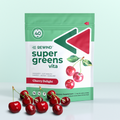
Cherry Delight
$39.99
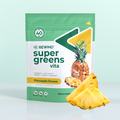
Pineapple Dream
$39.99
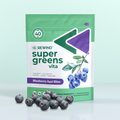
Blueberry Acai Bliss
$39.99


