

Have you ever tried to cut back on salt or sugar, only to find your food tasted flat and boring? You are not alone. Salt, sugar, and butter are the easy go-to flavors in most kitchens. But there is a whole world of flavor sitting in your spice rack that can make healthy food taste amazing. Herbs and spices add warmth, brightness, heat, and depth to meals with almost no calories, no sodium, and no added sugar.
Cooks around the world have used herbs and spices for thousands of years. Today, research shows they can be a practical tool for eating less salt without giving up flavor. This guide covers the basics: which herbs and spices to keep on hand, how to use them, how to store them, and easy ways to start cooking with more flavor. You will also see how herbs, spices, and a daily super greens drink help you add more plant variety to your week.
Most Americans eat far more sodium than recommended, and too much sodium can raise blood pressure. One of the hardest parts of cutting back is that food can taste bland at first. Herbs and spices fill that gap. In a study of adults with high blood pressure or diabetes, people who learned to cook with herbs and spices instead of salt ate nearly 1,000 milligrams less sodium a day than people who tried to cut back on their own. That is close to half a teaspoon of salt.
Yes. Warm spices like cinnamon, nutmeg, ginger, and vanilla can make foods like oatmeal, yogurt, and baked goods taste sweeter without adding sugar. Bold herbs and spices can make lean proteins and vegetables taste rich and satisfying without heavy sauces or extra butter. Researchers have even modeled what would happen if people swapped popular recipes for versions that used herbs and spices to replace some of the salt. The more people used the swapped recipes, the bigger the drop in sodium.
They do. Herbs and spices come from plants, including leaves, seeds, bark, roots, and berries. Each one counts as a different plant food. If you are aiming to eat a wide variety of plants each week, your spice rack is one of the easiest places to add more.
You do not need dozens of jars. A good starter collection covers most everyday cooking: garlic powder, onion powder, black pepper, paprika or smoked paprika, ground cumin, chili powder, dried oregano, dried basil, dried thyme, ground cinnamon, ground ginger, and red pepper flakes. Add a few fresh herbs when you can, like parsley, cilantro, basil, or chives. Fresh lemon or lime and a bottle of vinegar are also flavor heroes that help replace salt.
Dried herbs are more concentrated than fresh. A good rule is that one tablespoon of fresh herbs equals about one teaspoon of dried herbs. Dried herbs work best when added early in cooking, so their flavor has time to come out. Fresh herbs are best added at the end or sprinkled on top, so they stay bright and green. Hardy fresh herbs like rosemary and thyme can handle longer cooking.
Keep dried herbs and spices in airtight jars in a cool, dark cupboard, away from the stove. Heat, light, and moisture fade their flavor. Ground spices are best within about a year, and whole spices last longer. If a spice has lost its smell, it has lost its flavor too. Store fresh herbs like a bouquet in a glass of water in the fridge, or wrap them in a damp paper towel inside a bag.
Here are some easy pairings to start with. For chicken, try garlic, paprika, thyme, rosemary, or lemon pepper. For fish, try dill, lemon, parsley, or a little cumin and chili. For beef or beans, try cumin, chili powder, oregano, and smoked paprika. For roasted vegetables, try garlic, rosemary, thyme, or curry powder. For eggs, try chives, black pepper, paprika, or dill. For oatmeal, yogurt, and fruit, try cinnamon, nutmeg, ginger, or vanilla.
Many cuisines have signature spice blends. Italian dishes lean on basil, oregano, garlic, and red pepper. Mexican dishes use cumin, chili powder, oregano, garlic, and lime. Indian dishes often feature cumin, coriander, turmeric, ginger, and garam masala. Middle Eastern dishes use cumin, coriander, sumac, mint, and parsley. Asian stir-fries use ginger, garlic, green onion, and a little sesame. Trying a new cuisine is a fun way to discover new flavors.
Taste your food before adding salt. Then reach for a squeeze of lemon or lime, a splash of vinegar, a pinch of chili flakes, or a sprinkle of fresh herbs first. Acid and heat brighten food in a way that can make it taste saltier than it is. Garlic, onion, and black pepper add depth. Toasting spices in a dry pan for a minute before using them makes their flavor stronger.
Salt-free blends are handy for quick meals. Look for blends with no salt or sodium on the ingredients list. Many popular blends, like taco seasoning, lemon pepper, garlic salt, and seasoned salt, contain a lot of sodium, so read the label. You can also make your own blends at home in a few minutes. Mix garlic powder, onion powder, paprika, black pepper, and dried herbs in a small jar.
Kids often like mild, familiar flavors, but herbs and spices can make vegetables more fun and tasty. Try roasted carrots with a little cinnamon, green beans with garlic, or a yogurt dip with dill for raw veggies. Let kids smell and choose spices and help sprinkle them on. When kids help make food, they are more likely to try it.
In normal cooking amounts, herbs and spices are safe for most people. Some people have allergies to certain spices, so pay attention to how your body reacts. Large amounts of certain spices or herbal supplements can interact with medicines. If you take prescription medicines or have a health condition, talk to your doctor before taking any herbal supplement. Cooking with herbs and spices is different from taking concentrated supplements.
No. Herbs and spices are a great way to make healthy food taste better and to cut back on salt, sugar, and saturated fat. They are not a treatment for any health condition. Follow your doctor's advice for managing blood pressure, blood sugar, and other health concerns.
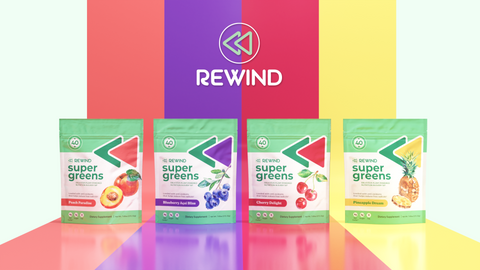
Herbs and spices make whole foods like vegetables, beans, and fish taste great, so you want to eat more of them. A daily super greens drink adds another layer of plant variety. Rewind Greens brings 24 plant ingredients together, including leafy greens like Spinach Leaf Powder, grasses like Barley Grass and Wheatgrass, berries like Blueberry Powder and Bilberry Fruit Extract, and plant extracts like Green Tea Extract, Siberian Ginseng, and Astragalus Root. Together, a well-stocked spice rack and your morning super greens make it easier to eat a wide range of plants every week.
Yes. A pinch of cinnamon, ginger, or nutmeg can add warmth to a super greens smoothie made with banana, frozen fruit, and milk or a plant milk. Fresh mint is also a refreshing addition. Start small and taste as you go.
A randomized clinical trial and recent reviews have evaluated spices and herbs as tools for reducing overconsumed dietary components such as sodium.
Herbs and spices are one of the easiest and cheapest ways to make healthy food taste great. They add flavor with almost no calories, sodium, or sugar. Research shows that people who learn to cook with herbs and spices can cut their sodium intake by nearly 1,000 milligrams a day. Warm spices can make foods taste sweeter without extra sugar, and bold herbs can make lean proteins and vegetables rich and satisfying.
Start with a basic spice rack, store your spices well, and try new pairings and cuisines. Reach for lemon, vinegar, garlic, and fresh herbs before the salt shaker. And pair your flavorful home cooking with a daily super greens drink for an easy boost of plant variety. Your taste buds and your health will both thank you.
Both are great. Dried herbs are more concentrated and last longer, while fresh herbs have a brighter flavor. Use about one teaspoon of dried herbs in place of one tablespoon of fresh. Many cooks use both, adding dried herbs during cooking and fresh herbs at the end.
Ground spices usually keep their best flavor for about a year. Whole spices, like peppercorns and cinnamon sticks, can last two to four years. If a spice has lost its smell or color, it is time to replace it.
Garlic salt is mostly salt. Garlic powder gives you the same flavor without the sodium. Check labels on all seasoning blends, since many contain a lot of salt.
Yes. Cinnamon, nutmeg, ginger, cardamom, and vanilla can give foods a sweet, warm taste without adding sugar. Try them in oatmeal, yogurt, warm milk, herbal tea, and baked goods with reduced sugar.
Sure. A pinch of cinnamon or ginger, or a few fresh mint leaves, can add a new twist to a super greens smoothie. Start with a small amount and adjust to your taste.
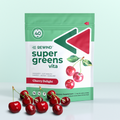
Cherry Delight
$39.99
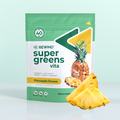
Pineapple Dream
$39.99
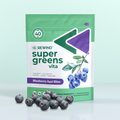
Blueberry Acai Bliss
$39.99


