

Autoimmune conditions affect an estimated 50 million Americans, making them collectively one of the most prevalent categories of chronic illness in the country. They arise when the immune system loses its ability to distinguish self from non-self, producing immune responses that target the body's own tissues. Rheumatoid arthritis, Hashimoto's thyroiditis, lupus, multiple sclerosis, inflammatory bowel disease, psoriasis, type 1 diabetes, and celiac disease are among the more than 80 recognized autoimmune conditions, each with a distinct target tissue but sharing the common feature of dysregulated immune self-tolerance.
Managing autoimmune conditions requires medical care, and this blog makes no claim otherwise. What it does offer is a nutritional perspective on the dietary factors that research has identified as meaningful contributors to immune system balance and inflammation regulation, specifically the plant polyphenols and micronutrients that modulate the immune pathways most relevant to autoimmune disease. For people living with autoimmune conditions who want to understand how daily nutrition supports their medical management, or who want to minimize their inflammatory burden from a nutritional dimension, this content provides that evidence-grounded picture.
Healthy immune function depends on a careful balance between immune activation and immune tolerance. Regulatory T cells, or Tregs, are the primary governors of this balance: they suppress excessive immune responses, promote tolerance to self-antigens, and prevent the immune system from attacking its own tissues. When Treg function is inadequate or outnumbered by pro-inflammatory Th17 cells, the balance tips toward autoimmune reactivity. The Th1/Th2 balance is also relevant, with Th1 dominance characterizing many organ-specific autoimmune conditions and Th2 dominance characterizing allergic and atopic autoimmune presentations.
Research has established that dietary factors, particularly plant polyphenols, directly influence the Treg-Th17 and Th1-Th2 balance through effects on the dendritic cells that present antigens to naive T cells and determine which type of T cell response is generated. Green Tea Extract EGCG, for example, has specifically documented ability to induce Treg differentiation through Foxp3 expression, the master transcription factor of regulatory T cell identity. Quercetin inhibits Th17 cell differentiation and the IL-17 production that drives inflammatory autoimmune pathways. These are genuine molecular-level effects on the immune circuits most disrupted in autoimmune disease.
The distinction between immune suppression and immune modulation is critical for understanding why plant polyphenols are relevant to autoimmune wellness. Conventional immunosuppressive medications reduce immune activity broadly, which controls autoimmune activity but also impairs defense against infection and increases cancer risk. Plant polyphenols operate differently, not by globally suppressing immune function but by modulating the specific immune pathways that are dysregulated in autoimmune conditions while preserving or even enhancing protective immune responses against pathogens.
Resveratrol activates SIRT1, which deacetylates and thereby inhibits the NF-kB transcription factor that drives production of the pro-inflammatory cytokines TNF-alpha, IL-1, and IL-6 most elevated in autoimmune disease flares. At the same time, Resveratrol enhances the activity of Treg cells that suppress autoimmune responses. This dual effect, reducing autoimmune inflammation while supporting regulatory immune function, is distinctly different from the broad immunosuppression of conventional drugs and is characteristic of many dietary polyphenols.
Quercetin Dihydrate similarly inhibits the mast cell and basophil degranulation that contributes to inflammatory flares in multiple autoimmune conditions, while simultaneously supporting Treg differentiation through effects on dendritic cell cytokine production. Spirulina phycocyanin reduces the TNF-alpha and IL-6 that drive systemic inflammation across most autoimmune conditions, and its anti-inflammatory mechanism through NF-kB inhibition operates in the same inflammatory pathway targeted by many biologic autoimmune medications, though at a much more modest magnitude.
The gut microbiome is now recognized as a primary trainer of the immune system's self-tolerance capacity. Approximately 70 percent of the immune system resides in or around the gut, and the gut microbial community directly shapes the Treg-Th17 balance that determines autoimmune susceptibility. Research has documented altered gut microbiome composition in virtually every major autoimmune condition studied, with reduced diversity, depleted Bifidobacterium and Faecalibacterium prausnitzii populations, and increased inflammatory bacterial populations compared to healthy controls.
The plant polyphenols in a daily greens formula support the gut bacterial populations most protective of immune tolerance: the Bifidobacterium and Lactobacillus species that produce butyrate and other short-chain fatty acids stimulating Treg differentiation, and the overall microbiome diversity that supports balanced immune education. For people with autoimmune conditions, maintaining a healthy gut microbiome is increasingly recognized as one of the most meaningful lifestyle contributors to immune balance, and consistent daily plant polyphenol intake through a greens formula is one of the most practical ways to support the gut microbiome environment that immune regulation depends on.
EGCG has documented effects on multiple immune pathways relevant to autoimmune disease. Research has specifically found that EGCG induces regulatory T cells through effects on Foxp3 expression, the molecular mechanism most directly relevant to restoring self-tolerance in autoimmune conditions. EGCG also inhibits the JAK-STAT signaling pathway that is a primary therapeutic target for autoimmune conditions including rheumatoid arthritis and inflammatory bowel disease, with EGCG producing this inhibitory effect at dietary doses through mechanisms similar to the JAK inhibitor class of autoimmune medications, though with far less potency and far fewer side effects.
The combination of Treg induction, JAK-STAT modulation, and broad anti-inflammatory NF-kB inhibition makes EGCG one of the most mechanistically well-characterized dietary compounds for autoimmune immune balance. Consistent daily intake through a greens formula delivers this compound as part of a broader polyphenol network that addresses the autoimmune inflammatory picture from multiple simultaneous angles.
The relationship between psychological stress and autoimmune disease exacerbation is one of the most consistently documented findings in autoimmune clinical research. Stress hormones including cortisol and catecholamines directly modulate immune cell function, and chronic stress reliably worsens autoimmune disease activity by disrupting the Th1/Th2 and Treg-Th17 balances that maintain immune tolerance. For people managing autoimmune conditions, stress reduction is not an optional wellness nice-to-have. It is a clinically relevant disease management tool.
Siberian Ginseng and Astragalus Root, the adaptogenic components of a greens formula, support HPA axis calibration to reduce the magnitude and duration of cortisol responses to stress over weeks of consistent daily use. This adaptogenic HPA regulation may help reduce the stress-driven immune dysregulation that worsens autoimmune conditions during demanding periods. Astragalus Root has additional immune relevance through its documented effects on regulatory T cell function and innate immune calibration, making it particularly well-suited to the autoimmune immune balance context.
The immunomodulatory effects of plant polyphenols on autoimmune-relevant immune pathways are increasingly well-documented in preclinical and clinical research.
Autoimmune conditions require medical management, and a greens drink is a nutritional complement rather than a replacement for that care. What the research clearly supports is that the dietary plant polyphenol and micronutrient environment meaningfully influences the immune pathways most relevant to autoimmune disease: Treg-Th17 balance, Th1/Th2 regulation, NF-kB and JAK-STAT inflammatory signaling, gut microbiome immune training, and the HPA axis stress response that stress-driven autoimmune exacerbations depend on. A daily greens drink addresses all of these nutritional dimensions simultaneously through EGCG, Quercetin, Resveratrol, Spirulina phycocyanin, and the adaptogenic compounds that moderate stress-immune interactions.
For people living with autoimmune conditions, consistent daily plant nutrition is not separate from disease management. It is one of its most practical, evidence-informed, and daily-accessible components. Every morning's greens drink is a choice to nourish the nutritional foundation on which immune balance depends.
No. A greens drink is a nutritional supplement that addresses the dietary plant polyphenol and micronutrient dimensions of immune balance. Autoimmune conditions require diagnosis and management by a healthcare provider, which may include medications, lifestyle interventions, and monitoring. A greens drink supports the nutritional foundation alongside appropriate medical care rather than substituting for it. Anyone considering changes to their autoimmune management approach should discuss those changes with their rheumatologist, immunologist, or relevant specialist.
Most plant-based greens formula ingredients are anti-inflammatory and immunomodulatory in directions favorable to autoimmune balance. However, individual responses vary, and some autoimmune conditions involve specific food sensitivities. Anyone with Hashimoto's thyroiditis should discuss the inclusion of Spirulina and Nori Seaweed with their endocrinologist due to their iodine content, which can be relevant in thyroid autoimmune management. Anyone with a history of algae allergy should review the ingredient profile carefully.
Chronic psychological stress is one of the most consistently documented triggers of autoimmune disease flares, operating through cortisol and catecholamine effects on immune cell function that worsen the Treg-Th17 imbalance of autoimmune conditions. The adaptogenic support from Siberian Ginseng and Astragalus Root moderates HPA axis reactivity over weeks of consistent daily use, potentially reducing the magnitude of stress-driven immune dysregulation. This is a genuine mechanistic connection rather than a speculative one, and stress management including nutritional adaptogenic support is a recognized component of comprehensive autoimmune care.
Inflammatory bowel disease, rheumatoid arthritis, multiple sclerosis, and lupus have the largest bodies of nutritional intervention research. Mediterranean dietary patterns have shown the most consistent evidence across these conditions for reducing inflammatory markers and improving quality of life. The gut microbiome connections in inflammatory bowel disease are particularly well-documented. This does not mean nutritional support is irrelevant to other conditions, but these represent the areas where the clinical evidence for plant-based dietary intervention is strongest.
This is a medical question that should be discussed with your prescribing physician. Some plant polyphenols can interact with medications used in autoimmune management: Quercetin and other polyphenols can affect the CYP3A4 and CYP1A2 enzyme systems involved in drug metabolism, and Vitamin K from green plant ingredients is relevant if anticoagulation is part of management. Disclosing all supplements to your healthcare team allows them to assess potential interactions with your specific medication regimen.

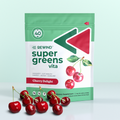
Cherry Delight
$39.99

Pineapple Dream
$39.99
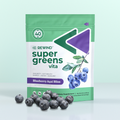
Blueberry Acai Bliss
$39.99


