

The human brain reaches peak performance in the mid-twenties, and from that point forward, the biological processes of neuronal aging proceed at a rate determined partly by genetics and substantially by the lifestyle and nutritional environment the brain operates in. For people in their 50s, 60s, and beyond, this is not cause for fatalism. The scientific evidence has shifted dramatically from the view that cognitive decline after 50 is inevitable and irreversible toward a recognition that the rate and nature of cognitive aging is profoundly modifiable, and that daily nutrition is among the most powerful and accessible modifiable factors available.
Two categories of brain change in aging are meaningfully influenced by diet. The first is the cumulative oxidative and inflammatory damage to neurons, mitochondria, and synaptic connections that accumulates over decades and is the primary driver of the normal age-related changes in memory retrieval speed, processing efficiency, and cognitive flexibility that most people notice in middle age. The second is the vascular changes, reduced cerebral blood flow, increased arterial stiffness, and microvessel dysfunction, that restrict oxygen and nutrient delivery to brain tissue and accelerate the functional decline associated with cognitive aging. Both respond to the plant compounds that daily greens nutrition delivers.
The brain is the body's most metabolically active organ, consuming approximately 20 percent of total oxygen intake despite representing only 2 percent of body weight. This extraordinary metabolic rate makes neurons among the most prolific generators of reactive oxygen species in the body, and the brain's own antioxidant defenses, while substantial, are continuously challenged by decades of high-level metabolic activity. The accumulation of oxidative damage in neurons, including lipid peroxidation of myelin sheaths, protein carbonylation in synaptic proteins, and mitochondrial DNA damage, is one of the primary biological mechanisms of cognitive aging.
Neuroinflammation, the activation of the brain's resident immune cells called microglia, is the second major aging mechanism. As the brain ages, microglia shift toward a more pro-inflammatory phenotype, releasing cytokines that disrupt neuronal signaling, impair synaptic plasticity, and reduce the production of brain-derived neurotrophic factor, the growth factor most critical for maintaining neuronal connections and supporting adult neurogenesis in the hippocampus. This inflammatory shift is strongly influenced by the systemic inflammatory environment, which dietary plant compounds powerfully modulate.
Cognitive reserve refers to the brain's capacity to tolerate neurological damage, aging changes, or disease pathology while maintaining functional cognitive performance. People with higher cognitive reserve, built through education, intellectually stimulating careers, social engagement, physical activity, and crucially, lifelong nutritional habits that protect neuronal health, show less functional cognitive decline for the same amount of structural brain change. They do not necessarily have less neuronal loss or fewer amyloid plaques. They maintain cognitive function better because their brain's network complexity, synaptic density, and neuronal resilience enable it to compensate for the losses that occur.
Building and maintaining cognitive reserve in middle age and beyond is the most effective cognitive health strategy identified in research. Nutrition, specifically the consistent daily supply of the neuroprotective plant compounds most associated with preserved cognitive function in aging populations, is a foundational component of that reserve-building process. The earlier it starts and the more consistently it is maintained, the more meaningful the accumulated benefit.
Ginkgo Biloba Powder is the most extensively studied plant compound for cognitive aging support, with a clinical research record spanning decades and thousands of participants across dozens of randomized trials. Its primary mechanisms are well-characterized: ginkgolides and bilobalides in Ginkgo improve microvascular blood flow in the brain by inhibiting platelet-activating factor and reducing blood viscosity, increasing the delivery of oxygen and glucose to neurons that depend on tight capillary supply. Ginkgo also has direct antioxidant effects in cerebral tissue and anti-inflammatory properties that reduce microglial activation.
The clinical research on Ginkgo and cognitive function in adults over 50 has found consistent improvements in memory, processing speed, and attention in multiple meta-analyses of randomized controlled trials. The European clinical guidelines have recognized Ginkgo extract as evidence-supported for cognitive support in aging populations with mild cognitive concerns, and it is one of the few herbal compounds with sufficient clinical trial evidence to have been formally evaluated for its potential in dementia prevention research. Consistent daily Ginkgo Biloba Powder in a greens formula provides the continuous cerebrovascular and neuroprotective support that builds cognitive reserve incrementally over months and years.
Among dietary plant compounds, anthocyanins from berries have attracted some of the most specific and compelling evidence for direct cognitive benefit in aging adults. The research distinguishing berry anthocyanins from other polyphenols is the documented ability of certain anthocyanin classes to cross the blood-brain barrier and directly reach neural tissue, providing antioxidant protection and anti-inflammatory effects within the brain itself rather than only in peripheral circulation.
Clinical research on blueberry supplementation in adults with mild cognitive concerns has found improvements in memory and processing speed compared to placebo, with neuroimaging studies showing increased cerebral activation in memory-relevant brain regions. The proposed mechanisms include BDNF upregulation, improved hippocampal neurogenesis, and anti-inflammatory effects on microglial activation that preserve the synaptic plasticity underlying memory formation. Bilberry Fruit Extract provides a closely related anthocyanin profile with particularly documented effects on cerebrovascular circulation, improving the vascular dimension of brain aging alongside the neuroprotective antioxidant effects.
Resveratrol activates SIRT1, which in neural tissue regulates mitochondrial biogenesis, reduces the tau protein accumulation associated with neurodegenerative disease, and suppresses neuroinflammatory NF-kB signaling. Research has found that Resveratrol improves cerebral blood flow in older adults through vasodilatory mechanisms and is associated with better hippocampal memory function. Quercetin Dihydrate crosses the blood-brain barrier and has documented effects on reducing neuroinflammation, inhibiting beta-amyloid aggregation, and supporting the acetylcholine neurotransmitter system that is most critical for memory and attention in aging.
Both Resveratrol and Quercetin additionally activate Nrf2, the transcription factor that upregulates the endogenous antioxidant enzymes protecting neurons from the oxidative stress of aging. This Nrf2-mediated antioxidant enzyme upregulation in neural tissue provides a more sustained and comprehensive form of neuroprotection than any dietary antioxidant can achieve through direct free radical scavenging alone.
The gut-brain axis, the bidirectional communication network connecting gut microbiome, enteric nervous system, and central nervous system, has emerged as a significant contributor to cognitive aging. Research has found that gut microbiome composition shifts toward less diverse, more pro-inflammatory patterns with age, and that this dysbiotic shift produces systemic inflammatory signals that cross the blood-brain barrier and accelerate neuroinflammation. People with healthier, more diverse gut microbiomes in later life show measurably better cognitive function than age-matched individuals with more dysbiotic gut microbial communities.
The consistent daily plant polyphenol intake from a greens formula supports the gut microbiome diversity and anti-inflammatory bacterial populations most protective of gut-brain axis health, adding a gut-mediated dimension to the direct brain-protective effects of the formula's neuroprotective compounds. The combined effect, direct neuroprotection through antioxidant and anti-inflammatory plant compounds that reach brain tissue, plus gut microbiome support for the indirect gut-brain pathway, makes daily plant nutrition a genuinely comprehensive brain aging strategy.
The clinical evidence for plant compounds in cognitive aging, particularly Ginkgo Biloba and berry anthocyanins, is among the most extensive in botanical medical research.
Brain aging after 50 is not a predetermined trajectory. The rate at which oxidative damage accumulates in neurons, the degree to which neuroinflammation disrupts synaptic function, the quality of the cerebral blood flow that sustains cognitive performance, and the integrity of the gut-brain axis that regulates neuroinflammation from below, all respond to the daily nutritional environment. A greens drink provides the most brain-relevant plant compounds available in a single daily serving: Ginkgo Biloba for cerebrovascular support and direct neuroprotection, Blueberry and Bilberry anthocyanins for blood-brain barrier-crossing neural antioxidant defense, Resveratrol and Quercetin for SIRT1 and Nrf2-mediated neuroprotection and anti-neuroinflammatory effects, and the gut microbiome-supporting polyphenols that address the gut-brain axis dimension of cognitive aging.
The brain you will have in your 70s is being shaped, in part, by the nutritional choices you make in your 50s. Thirty seconds every morning. Every day. The investment is small. The timescale is long. The biology is working even when the results are not yet visible.
No supplement or dietary approach is proven to prevent dementia, and any claim to that effect should be viewed with skepticism. What research supports is that consistent plant polyphenol intake, adequate cerebrovascular health, and maintained gut-brain axis function are associated with better cognitive aging outcomes and lower rates of cognitive decline in population research. A daily greens drink supports these factors as part of a comprehensive lifestyle approach to cognitive health. Anyone experiencing memory concerns should discuss them with their healthcare provider.
The brain benefits of consistent plant polyphenol nutrition are cumulative and greatest when started early, but evidence consistently shows meaningful cognitive benefit from plant polyphenol interventions in adults over 50, 60, and beyond. It is never too late to start supporting brain health nutritionally. The earlier the consistent daily habit is established, the more cumulative neuroprotective benefit accumulates. But starting at any age is better than not starting.
Ginkgo Biloba has documented mild antiplatelet effects and should be discussed with a healthcare provider before use by anyone taking blood-thinning medications including warfarin, aspirin, or antiplatelet drugs, as Ginkgo may enhance their effects. Anyone taking medications for cognitive conditions or seizure management should similarly discuss Ginkgo use with their neurologist before beginning. At the doses present in a greens formula serving, the antiplatelet effect is modest, but medical guidance is appropriate.
Research on Ginkgo Biloba typically shows measurable cognitive improvements in clinical trials of 12 to 24 weeks of consistent use, with the most significant benefits at 24 weeks or longer. Blueberry anthocyanin studies show improvements at 8 to 12 weeks. For everyday experience, the improvements are typically described as incremental and felt more in the absence of the decline that would otherwise have continued than as a dramatic acute improvement. Consistent use over months is necessary to evaluate meaningful benefit.
Research consistently identifies physical activity as the single most powerful lifestyle modifier of cognitive aging, operating through BDNF upregulation and cerebrovascular health improvements that directly complement the nutritional mechanisms of greens compounds. Adequate sleep, which enables the glymphatic clearance of metabolic waste from the brain, is the second most impactful factor. Social engagement, cognitively stimulating activities, and cardiovascular risk factor management round out the evidence-supported brain health lifestyle, all of which are amplified by the nutritional foundation that daily plant nutrition provides.
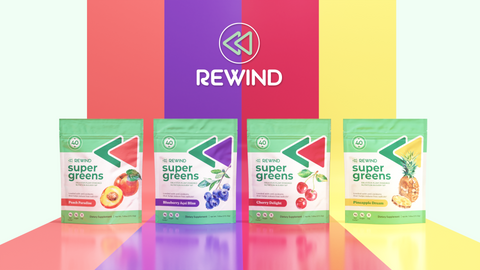
Cherry Delight
$39.99

Pineapple Dream
$39.99
Blueberry Acai Bliss
$39.99


