

Digestive discomfort is one of the most common health complaints in modern life. Bloating, that uncomfortable sense of fullness, distension, or gas that settles in after meals or persists through the day, affects an estimated 15 to 30 percent of adults at any given time. Functional gastrointestinal conditions including functional dyspepsia, irritable bowel syndrome, and functional bloating collectively represent the most frequent reason for gastroenterology referrals, yet they remain among the most poorly understood and least satisfyingly managed chronic health conditions in conventional medicine.
What most people experiencing regular digestive discomfort have not explored is the role that daily nutrition plays not just in triggering symptoms, but in establishing the gastrointestinal environment that makes those symptoms more or less likely in the first place. The gut motility patterns, digestive enzyme sufficiency, gut microbiome composition, intestinal barrier integrity, and gut-brain axis regulation that determine digestive comfort are all profoundly shaped by the consistent daily nutritional inputs your digestive system receives. A daily super greens drink addresses several of these foundational factors in practical ways that are worth understanding.
Bloating arises from several distinct mechanisms that are frequently grouped under the same symptom label but require different approaches. Gas production from bacterial fermentation of incompletely digested carbohydrates in the colon is the most common mechanism, particularly in people who eat a lot of fermentable fibers but whose gut microbiome is not well-adapted to fermenting them efficiently. Delayed gastric emptying, where the stomach holds food longer than normal before releasing it into the small intestine, produces the uncomfortable fullness and pressure of functional dyspepsia. Visceral hypersensitivity, where normal intestinal gas or movement is perceived as uncomfortable due to sensitized gut pain receptors, is a primary mechanism in irritable bowel syndrome. And gut dysbiosis, where the microbial balance is shifted toward gas-overproducing populations, amplifies all of these.
Post-meal discomfort that is specific to certain foods is different from the persistent daily bloating that reflects a systemic gut environment problem. Food-specific triggers, including lactose, gluten, and specific fermentable carbohydrate groups, can be identified through elimination approaches. But for many people, the baseline gut environment is the primary issue, and improving that environment produces more durable digestive comfort than any amount of symptom-specific food avoidance.
Papaya Fruit Extract Powder contains papain, a proteolytic enzyme that breaks down protein into smaller peptides and amino acids. When protein digestion in the stomach or small intestine is incomplete, undigested protein reaches the large intestine where colonic bacteria ferment it, producing gas and inflammatory compounds as fermentation byproducts. Papain provides supplemental proteolytic activity that supports the efficiency of protein breakdown in the upper digestive tract, reducing the protein that reaches the colon available for uncomfortable fermentation.
Research has found that papain supplementation supports digestive comfort in populations with functional gastrointestinal symptoms, with some clinical studies documenting improvements in constipation, bloating, and abdominal pain in subjects taking papaya preparation products. As a food-matrix enzyme from a whole plant source, papain complements the body's endogenous digestive enzymes rather than replacing them, providing a nutritional adjunct to normal digestive function.
Apple Pectin is a soluble fiber that forms a gel in the digestive tract, slowing gastric emptying in ways that produce more stable post-meal blood glucose and a gentler, more gradual release of food into the small intestine. This slowing of transit through the stomach reduces the rapid gastric distension that contributes to post-meal fullness and bloating in people with visceral hypersensitivity. Pectin also binds cholesterol and bile acids in the gut, helping to clear lipid digestion products efficiently and reducing the prolonged exposure of intestinal mucosa to bile acids that can drive irritation.
In the large intestine, Apple Pectin is fermented by gut bacteria to produce short-chain fatty acids including butyrate, which maintains the energy supply of colonocytes, supports intestinal barrier integrity, and reduces the mucosal inflammation that contributes to visceral hypersensitivity in irritable bowel syndrome. The slow, gentle fermentation of pectin produces less gas than rapid fermentation of other fiber types, making it one of the more gut-comfort-friendly fiber sources available in a greens formula.
Chronic low-grade inflammation of the intestinal mucosa is increasingly recognized as a contributor to functional digestive symptoms in people without clinically diagnosed inflammatory bowel disease. Research has found elevated inflammatory markers in the intestinal mucosa of people with irritable bowel syndrome and functional dyspepsia compared to healthy controls, and anti-inflammatory interventions have shown modest but consistent benefits for functional digestive symptoms in clinical trials.
The anti-inflammatory polyphenols in a daily greens formula, including Quercetin, Green Tea Extract EGCG, and Spirulina phycocyanin, reduce the mucosal inflammatory signaling that sensitizes gut pain receptors and worsens visceral hypersensitivity. Quercetin specifically has documented mast cell-stabilizing effects, inhibiting the histamine and inflammatory cytokine release from mast cells in the gut wall that contributes to the visceral sensitivity of irritable bowel syndrome. This mast cell-mediated anti-inflammatory mechanism is one of the most relevant Quercetin actions for digestive comfort specifically, distinct from its more general anti-inflammatory NF-kB effects.
The bacterial populations inhabiting the colon have a direct and powerful effect on the digestive experience. Bacteria that produce hydrogen and methane from fermentable carbohydrates generate the gas that produces bloating. Bacterial populations that produce butyrate reduce mucosal inflammation. Populations producing inflammatory lipopolysaccharides increase gut wall sensitivity. And the overall diversity and balance of the microbiome determines how efficiently food transit proceeds, how much gas is produced, and how the intestinal wall responds to the normal microbial environment.
The plant polyphenols in a daily greens formula are selectively metabolized by specific gut bacterial populations, enriching those populations over time and creating a gradual shift in the microbiome toward compositions associated with lower gas production, less mucosal inflammation, and more efficient food fermentation. This microbiome-modulating effect is not immediate and requires consistent daily intake over weeks to produce measurable changes in microbiome composition. But for people whose persistent digestive discomfort reflects a chronically dysbiotic gut environment, consistent daily plant nutrition through a greens formula is one of the most evidence-supported nutritional approaches to addressing that underlying environment.
The gut-brain axis, the bidirectional communication system between the enteric nervous system and the central nervous system, makes digestive comfort inseparable from psychological and emotional state. Stress, anxiety, and sleep disruption all worsen functional digestive symptoms through gut-brain axis mechanisms that increase visceral sensitivity, alter gut motility, and disturb the gut microbiome. This is not imaginary or psychosomatic, it is a documented physiological connection with measurable mechanisms.
The magnesium from Barley Grass and Wheatgrass in a greens formula supports the GABA receptor activity that moderates the nervous system reactivity mediating the gut-brain axis stress response. The adaptogenic compounds from Siberian Ginseng and Astragalus Root reduce the HPA axis stress reactivity that exacerbates functional digestive symptoms during demanding periods. These stress-resilience-supporting mechanisms address the gut-brain dimension of digestive discomfort in ways that conventional digestive supplements entirely miss.
The nutritional factors influencing functional digestive symptoms and gut motility are an active area of gastrointestinal research.
Digestive discomfort is not simply a question of which foods to avoid. It is a whole-system question about the gut environment, the microbiome composition, the intestinal inflammatory tone, the motility patterns, the enzymatic sufficiency of digestion, and the gut-brain regulation that determines how the digestive system responds to the food it receives. A daily greens drink addresses multiple dimensions of this system simultaneously: Papaya Fruit Extract Powder for proteolytic enzyme support, Apple Pectin for gentle motility regulation, plant polyphenols for mucosal anti-inflammatory and mast cell-stabilizing effects, microbiome-modulating compounds for the microbial environment that drives fermentation patterns, and adaptogenic support for the gut-brain axis stress response that worsens functional symptoms during demanding periods.
For persistent or severe digestive symptoms, appropriate medical evaluation is important to rule out conditions requiring specific diagnosis and treatment. For the very common experience of daily post-meal discomfort, bloating, and digestive unease that does not have a clear medical cause, improving the daily nutritional environment that the gut operates in is one of the most evidence-informed and practically accessible approaches available.
The immediate and short-term effects are different from the cumulative effects. In the first few days, some people notice changes in bowel regularity from the soluble fiber in Apple Pectin. Anti-inflammatory and microbiome effects take longer, typically two to four weeks to produce measurable changes in gut bacterial populations and mucosal inflammation. Adaptogenic gut-brain axis effects build over six to twelve weeks of consistent daily use. For best results, give the habit at least four to six weeks before assessing its impact on digestive comfort.
Some people experience increased gas or bloating in the first one to two weeks of starting a greens powder, particularly if their current diet is low in plant fiber and the new plant compounds represent a significant change in the gut's microbial substrate. This is typically transient as the gut microbiome adapts to the new nutritional inputs. Starting with half a serving for the first week and gradually increasing to a full serving helps most people avoid this adjustment period discomfort.
Morning with or shortly after breakfast is generally optimal. Taking greens with a meal provides food context that slows absorption of the soluble fiber and reduces the likelihood of any adjustment period gassiness. It also positions the digestive enzyme contribution from Papaya Fruit Extract where it can assist breakfast protein digestion, which is when digestive enzyme support is most relevant.
Post-meal bloating and distension from poor protein digestion or microbiome dysbiosis are the symptoms most directly addressed by the Papaya enzyme and plant polyphenol components. The Apple Pectin's gentle motility regulation benefits people who experience irregularity as part of their digestive discomfort. The anti-inflammatory effects are most relevant for people whose digestive discomfort is associated with mucosal sensitivity. Acute symptoms from known food intolerances, severe gastroesophageal reflux, or clinically diagnosed inflammatory bowel disease require specific medical management beyond what a greens powder provides.
No. A varied, plant-rich diet with diverse fiber sources supports the gut microbiome adaptation that produces long-term digestive comfort. The goal is to build the microbiome's capacity to handle diverse plant foods efficiently, not to reduce fiber intake. If specific high-fiber foods reliably trigger symptoms, gradual reintroduction alongside a consistent greens habit may help the microbiome adapt over weeks.


Cherry Delight
$39.99

Pineapple Dream
$39.99
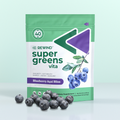
Blueberry Acai Bliss
$39.99


