

Antibiotics are among the most important medicines ever developed. They save lives and resolve infections that would otherwise be dangerous or fatal. But they also do something that their life-saving reputation tends to overshadow: they profoundly disrupt the gut microbiome, sometimes for months after the treatment course ends. Understanding this disruption, how to recognize it, and what nutritional strategies most effectively support recovery, is one of the most practically valuable things anyone who takes antibiotics can do for their long-term health.
The gut microbiome contains approximately 38 trillion microorganisms in a finely tuned ecological balance built over years of dietary and environmental inputs. A course of broad-spectrum antibiotics can reduce microbial diversity by 30 to 50 percent within days, shift microbial community composition dramatically away from protective populations toward opportunistic species, and in some people, produce incomplete recovery for months to years after a single treatment course. This disruption has consequences that extend far beyond digestive discomfort. Immune function, inflammatory regulation, mood, metabolic health, and the gut barrier that protects against systemic inflammatory burden all depend on the microbial ecosystem that antibiotics temporarily devastate. A daily super greens drink, with its diverse plant polyphenols and gut-supportive compounds, is one of the most evidence-informed nutritional strategies for supporting the post-antibiotic recovery window.
Antibiotics work by targeting specific aspects of bacterial biology, cell wall synthesis, protein production, or DNA replication, and killing or inhibiting the growth of susceptible bacteria. The problem is that the bacteria they target include both the pathogenic bacteria causing the infection and the beneficial bacteria of the gut microbiome that share many of those same biological vulnerabilities. Broad-spectrum antibiotics, which are designed to cover a wide range of bacterial types, are particularly disruptive because they target the greatest diversity of bacterial species, including the Bifidobacterium, Lactobacillus, and Faecalibacterium prausnitzii populations that are most critical for gut health.
Research tracking gut microbiome composition before, during, and after antibiotic treatment has documented rapid and dramatic changes within the first 24 to 48 hours of treatment. Microbial diversity, measured by species richness and evenness, drops precipitously. The relative abundances of specific taxa shift dramatically, often with opportunistic Proteobacteria and Enterococcus species expanding to fill the ecological space left by depleted beneficial populations. And critically, the metabolic functions of the microbiome change correspondingly: short-chain fatty acid production from fiber fermentation falls, the immune-regulatory signals that beneficial bacteria provide to gut immune tissue are reduced, and the colonization resistance that a diverse healthy microbiome provides against pathogens is compromised.
Research on post-antibiotic microbiome recovery has found that recovery is highly variable and often incomplete. In many people, the microbiome returns toward its pre-antibiotic composition within one to four weeks for the most resilient populations. But certain bacterial species, particularly some Bifidobacterium and Bacteroides species, may not return to their pre-antibiotic levels for months. Research using longitudinal metagenomic tracking has found incomplete recovery in up to 40 percent of participants at six months post-antibiotic treatment, with the extent of recovery significantly influenced by the antibiotic class used, the pre-existing diversity and resilience of the microbiome, and the dietary environment during the recovery period.
Diet is one of the most powerful determinants of how quickly and how completely the microbiome recovers. A plant-rich diet providing diverse fermentable substrates for recovering bacterial populations, along with plant polyphenols that selectively enrich beneficial species, supports faster and more complete microbiome restoration than a diet depleted in plant foods. This is where consistent daily plant nutrition through a greens formula provides specific, mechanistically grounded recovery support.
Plant polyphenols interact with gut bacterial populations through selective nutritional and antimicrobial mechanisms that favor the restoration of beneficial species after antibiotic disruption. Research on grape-derived polyphenols, including the proanthocyanidins found in Grapeseed Extract, has specifically documented their ability to support the recovery of beneficial Lactobacillus and Bifidobacterium populations after antibiotic treatment, with polyphenol-supplemented groups showing faster and more complete restoration of beneficial microbial populations compared to spontaneous recovery controls.
Green Tea Extract EGCG has selective antimicrobial activity against Proteobacteria, the opportunistic bacterial group that tends to expand during and after antibiotic treatment, while being neutral or mildly stimulatory to Lactobacillus and Bifidobacterium populations. This selective effect creates a post-antibiotic microbial environment where the beneficial populations being replenished face less competitive pressure from the opportunistic species that tend to dominate the disrupted post-antibiotic microbiome. Quercetin Dihydrate similarly modulates the post-antibiotic microbial environment in directions that favor diversity restoration, through both selective antimicrobial effects and as a fermentation substrate that preferentially enriches polyphenol-metabolizing beneficial bacteria.
Spirulina's post-antibiotic relevance operates through several mechanisms. Its phycocyanin reduces the mucosal inflammation that antibiotic-induced dysbiosis amplifies, creating a less hostile intestinal environment for recovering beneficial bacterial populations. Research on Spirulina and gut microbiome has documented its capacity to promote Lactobacillus and Bifidobacterium populations through polysaccharide substrates that these bacteria preferentially ferment. And its comprehensive mineral and B-vitamin content supports the metabolic function of recovering enterocytes, the intestinal epithelial cells that depend on a healthy microbial ecosystem for their energy supply and barrier maintenance.
The zinc from Spirulina is particularly relevant post-antibiotics. Zinc is required for tight junction protein synthesis and intestinal barrier integrity, and antibiotic-induced dysbiosis frequently increases intestinal permeability through the loss of the short-chain fatty acid production that maintains tight junction function. Consistent daily Spirulina intake provides the zinc support that helps maintain gut barrier function during the vulnerable post-antibiotic recovery window.
Continuing or starting your daily greens habit during the antibiotic course itself is appropriate and provides ongoing antioxidant, anti-inflammatory, and selective gut microbiome-modulating support throughout the disruption period. The plant polyphenols do not interfere with antibiotic activity and may actually help limit some of the broader microbiome disruption during treatment. However, space any greens drink at least two hours from your antibiotic dose, as absorption interactions, though modest, can occur with some antibiotic classes when taken simultaneously with mineral-rich or polyphenol-rich supplements.
After completing the antibiotic course, maintaining the daily greens habit with particular consistency for the following four to eight weeks provides the plant polyphenol environment most supportive of microbial diversity restoration. This is the window when the recovering microbiome is most responsive to dietary inputs that enrich beneficial populations, and consistent daily polyphenol delivery through a greens formula creates the most favorable conditions for the specific bacterial species most protective of gut health to reestablish themselves.
The impact of antibiotics on the gut microbiome and the role of dietary factors in supporting recovery is increasingly well-characterized in the research literature.
Antibiotics are essential medicines that can also cause lasting damage to the microbial ecosystem that underlies gut health, immune function, and systemic inflammatory balance. The damage is not inevitable and permanent, but recovery requires deliberate nutritional support rather than a passive wait for spontaneous restoration. Plant polyphenols from Grapeseed Extract, Green Tea Extract, Quercetin, and the broader polyphenol network in a daily greens formula actively support the restoration of beneficial microbial populations that antibiotics deplete. Spirulina provides the mineral and anti-inflammatory support that the recovering gut barrier and mucosal environment need. And the consistent daily plant diversity input of a greens drink provides the most favorable nutritional environment for the microbiome to rebuild its protective diversity over the critical post-treatment recovery window.
If you have taken antibiotics, take your greens consistently every day for the months that follow. The microbiome that regulates your immune function, your gut barrier, and your inflammatory biology is rebuilding itself in response to every nutritional input it receives. Give it the best possible daily environment to work with.
Space your greens drink at least two hours from your antibiotic dose. Some antibiotic classes, particularly fluoroquinolones and tetracyclines, can bind to minerals including zinc and iron and reduce their own absorption when taken simultaneously with mineral-rich supplements. There is no significant evidence of greens powder compounds blocking antibiotic activity, but spacing them avoids the potential absorption interaction with the antibiotic itself.
Greens powder and probiotics address different dimensions of post-antibiotic recovery. A greens drink provides plant polyphenols and nutrients that create a favorable gut environment and selectively enrich recovering beneficial bacteria, while probiotics deliver live bacterial strains directly. Both have roles in post-antibiotic recovery. A greens drink supporting the polyphenol substrate environment for recovering bacteria complements rather than replaces the direct microbial supplementation of probiotic products.
Restoration of normal digestive function, bowel regularity, and the absence of post-antibiotic symptoms like diarrhea or bloating are practical indicators of microbiome recovery. Commercial microbiome stool tests can provide more specific information about microbial diversity and composition. Research suggests that meaningful recovery occurs over four to twelve weeks depending on the antibiotic used, prior microbiome health, and the quality of the dietary environment during recovery.
Yes, significantly. Clindamycin and fluoroquinolones are among the most disruptive to gut microbiome diversity, while narrow-spectrum antibiotics targeting specific bacteria types produce less collateral disruption to the broader microbial community. Short treatment courses also produce less disruption than extended ones. If you have the option, discuss with your prescribing physician whether a narrower-spectrum antibiotic is appropriate for your specific infection.
Children's gut microbiomes are generally more resilient and recover more quickly from antibiotic disruption than older adults' microbiomes, partly because of higher baseline microbial diversity and plasticity in younger microbiomes. However, antibiotic exposure in early life has been associated with lasting microbiome alterations, and this has been connected to increased risk of atopic conditions and metabolic changes. Dietary plant diversity and polyphenol-rich foods support recovery across all age groups.
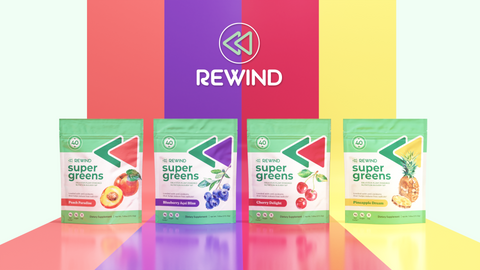
Cherry Delight
$39.99

Pineapple Dream
$39.99
Blueberry Acai Bliss
$39.99


