

Men's health conversations are often framed around what to avoid, excessive alcohol, saturated fat, processed food, and the chronic disease risks that accumulate from decades of these habits. Less often discussed is the positive nutritional case: the specific plant compounds and micronutrients that research has linked to the health outcomes most important to men across the decades, cardiovascular protection, hormonal balance, prostate health, muscle maintenance, cognitive resilience, and the energy and stress management that performance in demanding careers and active lives depends on.
This blog makes the positive case. It draws on the research connecting specific plant-based nutrients to men's health outcomes and explains why a daily super greens drink, with its concentrated supply of cardiovascular-protective polyphenols, testosterone-supportive antioxidants, prostate health plant compounds, and adaptogenic stress support, is one of the most practically comprehensive plant nutrition investments available for men at any age.
Cardiovascular disease remains the leading cause of death in men, and men develop cardiovascular disease earlier than women, on average a decade earlier, due to the protective effects of estrogen on arterial endothelial function that women lose only at menopause. This means men in their 30s and 40s are accumulating atherosclerotic plaque and vascular inflammation that will not produce clinical consequences until their 50s or later, and that the nutritional choices of the middle decades have consequences that arrive in the senior decades.
Plant polyphenols have some of the most consistent and robust evidence in cardiovascular protection of any dietary factor. Quercetin Dihydrate and Resveratrol inhibit LDL oxidation, the process that converts dietary lipids into the atherogenic oxidized LDL that initiates arterial plaque formation. Green Tea Extract EGCG improves endothelial function, reduces arterial stiffness, and lowers LDL cholesterol in clinical trial populations. Grapeseed Extract proanthocyanidins reduce blood pressure through vascular tone mechanisms. And the comprehensive antioxidant network of a greens formula reduces the systemic oxidative stress that is the primary driver of endothelial damage and atherosclerosis progression. Research has confirmed that plant polyphenols provide cardiovascular protection through these multiple complementary mechanisms, making consistent daily plant polyphenol intake one of the most evidence-supported cardiovascular nutritional strategies available.
Ginkgo Biloba's primary cardiovascular mechanism is improving microvascular blood flow through multiple pathways: it inhibits platelet-activating factor, reducing clotting tendency; it improves red blood cell flexibility, enhancing their passage through small capillaries; and it has vasodilatory effects that reduce peripheral vascular resistance. These effects improve circulation to the extremities and to the brain, reducing the risk of the arterial insufficiency conditions including peripheral artery disease and transient ischemic attacks that are more common in men than women. The anti-inflammatory effects of Ginkgo reduce the arterial wall inflammation that drives atherosclerosis progression.
Testosterone is synthesized in the Leydig cells of the testes through a series of enzymatic conversions from cholesterol. This steroidogenic process is highly sensitive to oxidative stress: reactive oxygen species damage the mitochondria in Leydig cells where cholesterol is processed, impair the steroidogenic acute regulatory protein (StAR) that initiates testosterone synthesis, and reduce the activity of the enzymes that convert cholesterol to testosterone. Research has documented that men with lower antioxidant status have measurably lower testosterone production than those with higher antioxidant status, and that antioxidant interventions improve testosterone synthesis in oxidatively stressed models.
Plant polyphenols including Resveratrol, Quercetin, and flavonoids from Blueberry and Bilberry have been studied for their effects on testosterone production through this antioxidant-steroidogenic mechanism. Research has documented that certain flavonoids upregulate StAR gene expression in Leydig cells, enhancing the rate-limiting step in testosterone synthesis. Consistent daily antioxidant input from a greens formula protects Leydig cell function from the oxidative stress that accumulates from physical demands, metabolic stress, and the environmental oxidative burden that all working-age men experience. This is a genuine mechanism by which consistent plant antioxidant nutrition supports the hormonal dimension of men's health.
Siberian Ginseng has specific research evidence for supporting testosterone levels and physical performance in male populations through its effects on the HPA axis. Chronic stress elevates cortisol, which directly suppresses Leydig cell testosterone production through corticosteroid inhibition of steroidogenesis. The adaptogenic support from Siberian Ginseng moderates cortisol responsiveness over weeks of consistent daily use, reducing the cortisol-driven testosterone suppression that chronic stress creates. This is particularly relevant for men in high-demand careers or high-stress life phases where the cortisol-testosterone antagonism is chronically active.
Astragalus Root's adaptogenic immune support complements Siberian Ginseng by supporting the immune function that chronic stress compromises, reducing the immune-HPA axis negative feedback that further suppresses testosterone production during sustained stress. Together, these adaptogens address the hormonal-immune-HPA axis triad that determines how well men's hormonal biology holds up under the combined demands of demanding careers, physical training, and family responsibilities.
The prostate gland is highly sensitive to oxidative stress and inflammatory damage, and the development of benign prostatic hyperplasia and other prostate conditions is closely connected to the accumulated oxidative and inflammatory burden of decades. Plant polyphenols, particularly the catechins from Green Tea Extract and the anthocyanins from Blueberry and Bilberry, have been studied specifically for prostate health through their antioxidant and anti-inflammatory mechanisms. Research has found that men in populations with higher plant polyphenol intake have measurably lower rates of prostate conditions than those in Western populations with lower plant food consumption.
Green Tea Extract EGCG specifically has documented inhibitory effects on the 5-alpha reductase enzyme that converts testosterone to dihydrotestosterone in prostate tissue, the androgenic signal most directly driving prostate cell proliferation. This modest but documented anti-androgenic effect in prostate tissue, combined with direct antioxidant protection of prostate cells and anti-inflammatory effects on prostate stromal tissue, makes Green Tea Extract one of the more specifically prostate-relevant plant compounds in a greens formula. Consistent daily intake through a greens drink provides this protection as ongoing dietary support rather than an intermittent high-dose intervention.
The energy demands that active men face, physical training, demanding careers, and the cognitive workload of professional and family responsibilities, create specific nutritional demands on the cellular energy pathways, antioxidant reserves, and adaptogenic stress resilience that determine sustained performance. Iron from Spirulina supports the oxygen delivery that aerobic performance depends on. B vitamins from Spirulina support the mitochondrial energy production that both physical and cognitive performance require. Magnesium from Barley Grass and Wheatgrass supports the ATP synthesis and muscle contractile function that physical training demands. And Quercetin has specific evidence for improving maximal oxygen uptake and endurance performance in athletic populations through mitochondrial biogenesis stimulation.
The cardiovascular, hormonal, and prostate-protective evidence for plant polyphenols in men's health is among the most well-developed in nutritional science.
Men's health has a nutritional dimension that most conventional men's health conversations underemphasize. The cardiovascular protection from consistent plant polyphenol antioxidant intake. The hormonal support from antioxidant protection of Leydig cell steroidogenic function. The prostate health maintenance from Green Tea catechins and dietary plant compound intake. The adaptogenic HPA axis support that prevents the cortisol-testosterone antagonism of chronic stress from suppressing hormonal function. And the iron, magnesium, and B-vitamin foundation that physical performance and cognitive energy both depend on.
A daily greens drink addresses all of these simultaneously in the 30-second morning habit that most men's schedules actually accommodate. The cardiovascular protection, hormonal support, and prostate health investment are not dramatic acute interventions. They are the cumulative benefit of consistent daily plant polyphenol input over the years that determine long-term health outcomes. Start. Stay consistent. The return is compounding.
A greens drink provides plant compounds, polyphenols, adaptogens, and food-matrix micronutrients that most multivitamins do not contain, alongside overlapping vitamins and minerals. It does not provide Vitamin D at therapeutic doses or the high-dose zinc that some men's health formulas include. For most healthy men, a greens drink provides a more comprehensive plant compound foundation than a multivitamin, but may not fully replace dedicated supplements for documented deficiencies. The two approaches complement each other in a complete men's nutritional strategy.
Many commercial testosterone-boosting supplements contain ingredients with little to no clinical evidence. A greens drink's relevance to testosterone operates through the well-documented mechanism of protecting Leydig cell steroidogenic function from oxidative damage, which is physiologically meaningful but produces modest support for healthy testosterone levels rather than pharmacological enhancement. For men with documented hypogonadism, medical evaluation and treatment are appropriate. For healthy men seeking to maintain hormonal function as they age, consistent antioxidant and adaptogenic plant nutrition is a genuine and evidence-coherent approach.
There is no single most important ingredient. For cardiovascular protection, Quercetin, Resveratrol, and EGCG operate through the most directly relevant mechanisms. For hormonal support, the full antioxidant network protecting Leydig cell function is most relevant. For prostate health, Green Tea Extract EGCG has the most specifically documented evidence. For energy and physical performance, iron from Spirulina and Quercetin for mitochondrial support are most relevant. The multi-ingredient formula approach provides broader coverage than any single compound.
Morning before exercise is the most effective timing. The iron, B vitamins, and plant polyphenols circulate during the workout when they support oxygen delivery, cellular energy production, and antioxidant defense against exercise-induced oxidative stress. The adaptogenic compounds support HPA axis regulation during the physical stress of training. Morning timing also ensures the habit is established in a consistent daily routine before the variability of training schedules can disrupt it on rest days or travel days.
The cardiovascular and prostate health benefits of consistent plant polyphenol intake are cumulative and begin accruing from whenever consistent daily intake begins. Epidemiological research suggests that the protective effects are most significant when established before the primary risk decade for cardiovascular disease, meaning men in their 30s and early 40s make the highest return investment when they establish consistent daily plant nutrition habits. Men in their 50s, 60s, and beyond still benefit meaningfully from beginning the habit, but the earlier it starts, the more cumulative protection it provides.
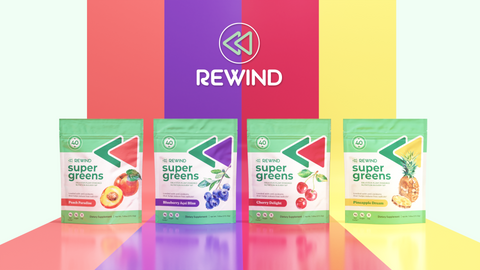
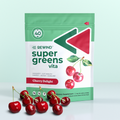
Cherry Delight
$39.99

Pineapple Dream
$39.99
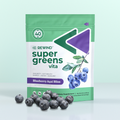
Blueberry Acai Bliss
$39.99


