

College is one of the most nutritionally vulnerable periods of adult life. The combination of factors that converge at university, food access constraints from limited budgets, meal preparation skills that are often underdeveloped, irregular schedules that disrupt eating patterns, high stress that both depletes specific nutrients and drives poor food choices, and the social dynamics of campus life, creates a nutritional environment that consistently produces significant micronutrient deficiencies in student populations. Research surveys of university students have documented widespread inadequacies in calcium, magnesium, potassium, and vitamins A, C, D, and E in this population, even at institutions with reasonable food access.
The consequences are not abstract. Micronutrient deficiency in students produces the exact outcomes that affect academic performance, social wellbeing, and physical resilience most directly: impaired concentration and memory consolidation, weakened immune defense against the illnesses that circulate on campus, disrupted mood and stress management, and the chronic fatigue that makes both studying and maintaining social connection harder than it needs to be. A daily super greens drink does not solve the full nutritional challenge of student life. But it closes the most consequential gaps, the concentrated micronutrient deficiencies that budgets and time constraints reliably produce, in 30 seconds and for less than the cost of most campus food options.
Research consistently documents that university students eat diets substantially lower in fruits, vegetables, and plant diversity than population guidelines recommend, and substantially higher in processed foods, refined carbohydrates, and sodium. The nutritional consequences are predictable and have been measured directly in student populations. Studies using validated dietary assessment methods have found that the most common micronutrient inadequacies in university students include magnesium, which is widely low due to inadequate vegetable and whole grain intake; vitamins A, C, and E, which require consistent fruit and vegetable consumption that budget and time constraints undermine; iron, particularly in female students; and the B-vitamins most abundant in leafy greens and legumes that student diets rarely include enough of.
These are not minor gaps. Magnesium deficiency impairs stress resilience, sleep quality, and the cognitive processing that studying depends on. Vitamin C insufficiency reduces immune defense at precisely the time when dormitory and classroom environments create maximum pathogen exposure. Iron deficiency produces the cognitive fog and physical fatigue that are often attributed to academic workload rather than their nutritional root. The gap between what most students eat and what their biology needs is one of the most tractable nutritional problems available, and a daily greens drink closes much of it.
The nutritional reality of student life is not primarily about knowledge or intention. Most students know that vegetables are important and that processed food is not ideal. The barriers are structural. Limited food budgets make the cheapest caloric sources, refined carbohydrates and processed convenience foods, disproportionately attractive. Limited cooking skills and equipment make fresh food preparation difficult and time-consuming. Irregular class schedules, social commitments, and academic pressure create the time poverty that research has consistently identified as the primary driver of convenience food reliance in this population. And the social food environment of campus, where dining hall menus and social eating norms are often weighted toward processed food options, creates environmental pressure against plant-rich eating.
A daily greens drink addresses the specific barriers that make student nutrition difficult in ways that meal planning, batch cooking, and dietary overhauls do not. It requires no cooking skills, no kitchen equipment beyond a glass and a spoon or shaker bottle, no meal planning, and no time beyond 30 seconds. It survives the irregular schedules of college life because it is not a meal that requires specific timing or conditions. It survives the budget constraints of student living because a daily serving is typically less expensive than the individual food items it would take to provide equivalent micronutrient density. And it is portable, storable in a dorm room without refrigeration, and compatible with every meal pattern from dining hall eating to on-the-go snacking.
For students whose nutritional foundation is primarily built on dining hall staples and campus food options, a daily greens drink provides the concentrated plant micronutrient layer that those options reliably fail to deliver. It is not a substitute for genuinely healthy eating. But for the weeks and months when genuinely healthy eating is a consistent challenge, it prevents the most consequential micronutrient gaps from accumulating into the depletion states that impair academic performance, immunity, and wellbeing.
The health challenges most distinctive to college student life are the ones that a greens drink addresses most directly. Immune vulnerability from dormitory density and close classroom contact is the primary health threat of campus life, and the Acerola Vitamin C, zinc from Spirulina, and Astragalus adaptogenic immune support in a greens formula address the nutritional dimensions of immune resilience. The exam-period stress and sleep disruption that students experience repeatedly during the academic year deplete magnesium from Barley Grass and Wheatgrass, B vitamins from Spirulina, and the adaptogenic stress reserves that consistent Siberian Ginseng intake builds. And the cognitive demands of sustained study and academic performance are specifically served by the Ginkgo Biloba cerebral blood flow support, Blueberry anthocyanin neuroprotection, and B-vitamin cellular energy metabolism that a greens formula delivers daily.
The environmental anchoring that makes any daily habit survive is more important in the variable, unpredictable environment of college than almost anywhere else. The most reliable anchor for a student greens habit is the morning alarm. Keep the greens powder on the desk, nightstand, or in the first thing you reach for in the morning, with a reusable bottle or glass right next to it. Take it before you check your phone, before you get dressed, and before any academic or social demand claims your attention. The 30 seconds of morning greens should precede all other morning activities to establish itself as a non-negotiable first action rather than a flexible priority that disappears under schedule pressure.
The other reliable student format is the smoothie or yogurt version taken at the dining hall. Many dining halls have blenders available or allow bringing in supplement powders. A greens drink mixed into a dining hall yogurt or fruit smoothie takes the same 30 seconds and delivers the full nutritional payload within the existing campus food routine rather than requiring a separate habit. Students who travel heavily between home and campus can pre-measure single-serve amounts in small zip-close bags or invest in a travel container that makes dorm and campus use equally convenient.
The nutritional challenges of university student populations and their documented micronutrient inadequacies are among the most consistently reported findings in young adult nutrition research.
Student nutritional challenges are real, structural, and consequential for exactly the outcomes that matter most during the university years: cognitive performance, immune resilience, stress management, and the energy and mood that determine whether the college experience is merely survived or genuinely thrived in. A daily greens drink does not require cooking, significant money, nutritional knowledge, or time. It requires a glass, 30 seconds, and the simple decision to take the most nutritionally dense 30 seconds available before the day begins.
For students reading this: start it before the semester is at its most demanding. The adaptogenic reserves built by consistent Siberian Ginseng intake, the immune baseline maintained by daily Vitamin C and zinc, and the cognitive support of daily Ginkgo and berry anthocyanins all require weeks of consistent input to produce their full benefit. Do not start your greens habit during finals week expecting it to carry you through. Start it at the beginning of the semester and let it build the nutritional foundation that the demanding weeks ahead will depend on.
A daily greens serving typically costs between one and two dollars depending on the product and quantity purchased. At this price point, it is less expensive per day than most campus lunch options, energy drinks, or vitamin supplements purchased individually. For students managing very tight budgets, purchasing a larger quantity and calculating per-serving cost makes the daily habit one of the most cost-effective nutritional investments available for the density of micronutrients and plant compounds delivered.
Yes. Stirring a greens powder into dining hall yogurt, smoothies, juice, or even into a sauce or dressing at a salad bar takes 10 seconds and is nutritionally effective. The fat in yogurt also improves absorption of fat-soluble carotenoids and Lutein in the formula. Many dining halls allow personal supplements and supplements are generally unnoticeable when mixed into flavored food.
Yes, through multiple mechanisms. Magnesium from Barley Grass and Wheatgrass reduces the cortisol-driven nervous system reactivity that worsens exam anxiety. B vitamins from Spirulina support the cellular energy metabolism that sustained studying demands. Siberian Ginseng builds adaptogenic stress resilience over weeks of consistent use. And Ginkgo Biloba supports the cerebral blood flow that maintains cognitive performance under pressure. None of these effects are acute or immediate. They are the cumulative benefit of weeks of consistent daily intake, which is why starting the habit before exams is the strategy that actually works.
A greens drink cannot prevent all illness. But the immune nutritional support from Acerola Vitamin C, Spirulina zinc, and Astragalus Root adaptogenic immune building addresses the nutritional dimension of immune resilience that makes some students get sick repeatedly while others in the same environment stay well. Dense campus living with shared bathrooms, classrooms, and dining spaces is one of the highest pathogen exposure environments adults encounter. Starting the greens habit in September gives the adaptogenic immune building the lead time it needs to develop before peak illness season arrives.
Yes. A well-formulated greens powder contains food-sourced ingredients at nutritionally appropriate amounts and is designed for consistent daily use. There is no medical reason to take breaks from a daily greens habit for the general healthy adult population. Consistent daily use is explicitly the approach that produces the most benefit, as the adaptogenic, antioxidant, and micronutrient effects all build cumulatively with consistency.

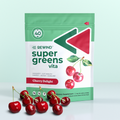
Cherry Delight
$39.99

Pineapple Dream
$39.99
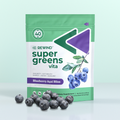
Blueberry Acai Bliss
$39.99


