

Gout is the most common inflammatory arthritis in adults, affecting approximately 9 million Americans. It arises from hyperuricemia, a state of elevated blood uric acid that leads to the crystallization of monosodium urate in joints, tendons, and surrounding tissue. When these crystals form, they trigger an acute inflammatory response so intense that even the gentle pressure of a bedsheet can be excruciating. The big toe, ankle, and knee are the most commonly affected joints, and a gout attack, also called a flare, can last from days to weeks and leave the affected joint acutely tender and functionally limited for the duration.
Gout prevalence has risen significantly over the past several decades, driven by dietary and metabolic trends including increased consumption of fructose-sweetened beverages, red and organ meats, and the rising prevalence of metabolic syndrome and chronic kidney disease that impair uric acid excretion. The management conversation has historically centered on pharmaceutical urate-lowering therapy and strict dietary avoidance of high-purine foods. But the research on plant compounds, particularly Quercetin, in uric acid metabolism and the inflammatory cascade of gout is compelling and significantly underappreciated in conventional discussions of this condition. This blog is educational and does not replace medical care for diagnosed gout.
Uric acid is the final metabolic product of purine nucleotide breakdown in humans. Purines, which are found in DNA and RNA, are constantly being recycled as cells turn over, and the dietary purines from high-purine foods like red meat, organ meats, and certain seafoods add to the urate load the kidneys must excrete. Under normal conditions, uric acid is soluble in blood at concentrations below approximately 6.8 milligrams per deciliter and is excreted through the kidneys and, to a lesser extent, the intestines.
When blood uric acid levels exceed this saturation threshold, urate begins to crystallize at lower-temperature locations in the body, most notably the peripheral joints of the feet and ankles. The needle-shaped monosodium urate crystals that form in joint tissue activate the NLRP3 inflammasome in local macrophages and neutrophils, triggering an explosive innate inflammatory response that produces the heat, swelling, redness, and severe pain of an acute gout attack. Without intervention, this cascade eventually subsides, but repeated attacks over years produce the chronic gouty arthritis of tophi, joint erosion, and persistent pain that unchecked gout produces.
Quercetin Dihydrate has some of the most specifically documented evidence among dietary plant compounds for hyperuricemia management, operating through a direct enzymatic mechanism. Xanthine oxidase is the enzyme that catalyzes the final two steps of uric acid synthesis, converting hypoxanthine to xanthine and xanthine to uric acid. Quercetin is a potent inhibitor of xanthine oxidase activity, reducing the rate of uric acid production from purine metabolism. This mechanism is the same as the pharmaceutical drug allopurinol, though at a much lower magnitude of effect.
Research has confirmed that Quercetin reduces uric acid production in cell culture models and in animal models of hyperuricemia, and epidemiological studies have found inverse associations between dietary flavonoid intake and serum uric acid levels in population data. Additionally, Quercetin has documented uricosuric effects, meaning it may support the renal excretion of uric acid by modulating the urate transporter proteins in kidney tubular cells that regulate how much uric acid is reabsorbed rather than excreted in urine. The combination of reduced uric acid production and potentially enhanced excretion represents a dual mechanism for Quercetin's relevance to uric acid management.
Beyond its effects on uric acid levels, Quercetin has specifically documented activity against the NLRP3 inflammasome signaling pathway that drives the explosive inflammation of an acute gout attack. Research has found that Quercetin inhibits NLRP3 inflammasome activation by monosodium urate crystals, reducing the IL-1 beta and other pro-inflammatory cytokine production that produces the cascade of inflammatory events in an acute flare. It also inhibits neutrophil activation and migration, reducing the influx of neutrophils into the inflamed joint that amplifies and perpetuates gout inflammation.
This anti-NLRP3 mechanism makes Quercetin directly relevant to gout inflammation through the same molecular target that several newer pharmaceutical approaches to gout management are now being developed to address, confirming the biological coherence of Quercetin as a dietary compound with genuine gout-relevant anti-inflammatory activity.
Green Tea Extract EGCG has shown xanthine oxidase inhibitory activity in research, similar in mechanism to Quercetin but through a distinct binding interaction with the enzyme. Research has found that EGCG reduces uric acid production in hyperuricemic models and that regular green tea consumption is associated with lower serum uric acid levels in population studies. The catechin class of polyphenols that includes EGCG also reduces the NLRP3 inflammasome inflammatory signaling that drives gout crystal-induced inflammation, contributing to both the urate-lowering and anti-inflammatory dimensions of gout management through daily dietary polyphenol intake.
Gout management through diet involves two distinct but complementary strategies: reducing the dietary purine load that contributes to uric acid production, and increasing the alkalizing, antioxidant, and anti-inflammatory plant food intake that reduces both urate production and the inflammatory sensitivity of the NLRP3 pathway. High-fructose foods and beverages are among the most consistently documented dietary gout triggers, as fructose metabolism generates a high purine turnover rate that spikes uric acid production independently of dietary purines. Red meat and organ meats provide direct high-purine substrates. Alcohol, particularly beer with its direct purine content and its impairment of renal uric acid excretion, is one of the most potent gout dietary triggers.
Conversely, plant-rich dietary patterns are consistently associated with lower gout prevalence and flare frequency. The purine content of plant foods is handled differently from animal food purines at the biochemical level, with plant purines producing less urate elevation per gram of intake. And the anti-inflammatory, antioxidant, and xanthine oxidase-inhibiting polyphenols of plant foods directly address the mechanisms of both urate elevation and gout inflammation. A daily greens drink contributes the most concentrated anti-inflammatory and xanthine oxidase-inhibiting plant compounds available in a single daily serving.
The evidence for Quercetin and plant polyphenols in gout and hyperuricemia management has grown substantially in recent years.
Gout has a meaningful nutritional dimension that most management conversations underemphasize. Quercetin's xanthine oxidase inhibitory and NLRP3 anti-inflammatory properties address both of gout's core pathological mechanisms: elevated uric acid production and the inflammatory cascade that crystal deposition triggers. Green Tea Extract EGCG contributes parallel xanthine oxidase-inhibiting and anti-inflammatory mechanisms. The Blueberry and Bilberry anthocyanins add antioxidant and anti-inflammatory support that reduces the inflammatory sensitivity of joint tissue. And the broader plant polyphenol network of a daily greens formula contributes to the anti-inflammatory systemic environment in which gout flare thresholds are determined.
A daily greens drink is not a gout medication and cannot replace the medical management that clinically significant hyperuricemia requires. But as a daily nutritional complement to medical care, dietary modification, and lifestyle management, the plant polyphenol input of a daily greens habit addresses gout-relevant mechanisms through evidence-grounded dietary pathways. Anyone managing gout should discuss all supplements with their rheumatologist or primary care provider.
No. Prescription urate-lowering medications including allopurinol and febuxostat are far more potent xanthine oxidase inhibitors than dietary Quercetin at any achievable dietary dose, and their use is medically indicated when serum uric acid exceeds the treatment threshold in diagnosed gout patients. Quercetin from a greens formula provides a complementary dietary input that may modestly support uric acid management alongside medical treatment, not a substitute for it.
High-fructose foods are among the most reliably documented dietary uric acid elevators, as fructose metabolism generates purine turnover that increases urate production. Fruit juices, sweetened beverages, and highly sweetened foods contribute significant fructose loads. Whole fruits contain fructose alongside fiber and polyphenols that moderate the urate-elevating effect, making moderate whole fruit consumption generally less problematic than concentrated fructose sources. The specific purine-containing plant foods like legumes are handled differently at the biochemical level than animal purines and are generally not strongly associated with gout flares in research.
The mechanisms through which plant polyphenols support gout management, xanthine oxidase inhibition and NLRP3 anti-inflammatory effects, operate continuously with consistent daily intake rather than as acute flare management. During an active gout attack, medical management with appropriate anti-inflammatory medications is the priority, and a greens drink is a daily preventive and management support tool rather than an acute treatment. Consistent daily intake over weeks and months, before and between flares, provides the most meaningful impact on gout management outcomes.
Yes. Grapeseed Extract proanthocyanidins have documented xanthine oxidase inhibitory activity and anti-inflammatory effects relevant to uric acid metabolism and gout inflammation. Research on grape-derived polyphenols and gout has found reductions in uric acid levels and inflammatory markers, consistent with the dual xanthine oxidase-inhibiting and anti-inflammatory mechanisms that Quercetin also provides. The combination of Quercetin, Grapeseed Extract proanthocyanidins, and EGCG in a greens formula represents a complementary multi-polyphenol approach to dietary gout support.
Adequate hydration is one of the most important gout management lifestyle measures because it increases the urinary volume through which uric acid is excreted, reducing the concentration of urate in the renal collecting system and lowering the risk of urate crystal formation. A greens drink mixed in 8 to 16 ounces of water provides meaningful hydration alongside its polyphenol contribution. However, the total daily fluid intake for gout management recommendations, typically two to three liters of total fluid daily, is far larger than a single greens drink provides, requiring additional water consumption throughout the day.
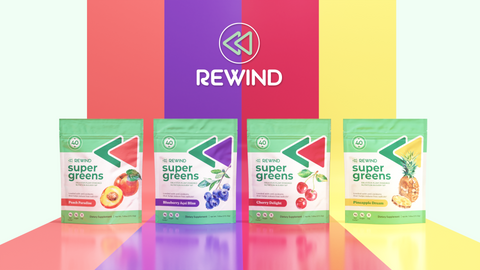
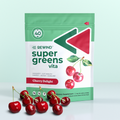
Cherry Delight
$39.99
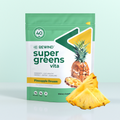
Pineapple Dream
$39.99
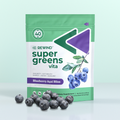
Blueberry Acai Bliss
$39.99


