

Inflammaging is one of the most important concepts in modern geroscience, and one of the least discussed outside of academic biology. The term, a portmanteau of inflammation and aging, describes a specific phenomenon: the progressive accumulation of chronic, low-grade, sterile systemic inflammation that characterizes the aging process in most adults and that is now recognized as a primary driver of virtually every major age-related disease. Cardiovascular disease, type 2 diabetes, Alzheimer's disease, certain cancers, osteoarthritis, sarcopenia, and frailty all have chronic low-grade inflammation as a central pathological mechanism rather than merely a secondary consequence.
Inflammaging is distinct from the acute inflammation that follows infection or injury. Acute inflammation is purposeful, self-limiting, and resolves when its job is done. Inflammaging is persistent, subclinical, and sterile. It has no pathogen to resolve against and no injury to heal. It is simply the gradual upregulation of inflammatory signaling in aging tissue, driven by cellular senescence, gut microbiome changes, mitochondrial dysfunction, and the accumulating burden of oxidative molecular damage that decades of living produce. Its consequences are not felt acutely. They accumulate over years into the chronic disease burden that determines how the later decades of life look and feel.
Several converging mechanisms contribute to the inflammatory upregulation of inflammaging. Cellular senescence is among the most consequential. As cells reach the end of their replicative capacity, they enter senescence rather than continuing to divide or undergoing apoptosis. Senescent cells remain metabolically active and, critically, secrete a characteristic mixture of pro-inflammatory cytokines, proteases, and growth factors called the senescence-associated secretory phenotype, or SASP. As senescent cells accumulate with age, the SASP collectively produces a rising tide of local and systemic inflammatory signaling.
Mitochondrial dysfunction is a second major inflammaging driver. Aging mitochondria become less efficient and leak more reactive oxygen species, which activate the NLRP3 inflammasome and NF-kB inflammatory signaling in affected cells. The accumulated mitochondrial DNA damage of aging cells, released into the cytosol from dysfunctional mitochondria, activates innate immune pathways that are designed to recognize bacterial DNA and respond to it as a pathogen signal, producing the sterile inflammatory response that is a hallmark of aged tissue. The gut microbiome also shifts toward pro-inflammatory compositions with age, with reduced Bifidobacterium and Faecalibacterium populations and increased Proteobacteria that generate greater systemic inflammatory signaling through gut barrier-derived lipopolysaccharide exposure.
The consequences of accumulated inflammaging are largely invisible year to year but cumulatively profound over decades. At the cardiovascular level, the chronic low-grade inflammation of inflammaging accelerates endothelial dysfunction, promotes atherosclerotic plaque formation and instability, and contributes to arterial stiffness. In the brain, neuroinflammation from aging microglia contributes to synaptic loss, reduced neurogenesis, and the progressive cognitive changes of brain aging. In muscle, inflammatory cytokines suppress muscle protein synthesis and promote protein degradation, driving the sarcopenic muscle loss of aging. In metabolic tissue, chronic low-grade inflammation worsens insulin resistance and contributes to the metabolic syndrome features that cluster with aging. And in immune tissue, the chronic inflammatory activation of inflammaging paradoxically produces immunosenescence, a deterioration of immune responsiveness to new threats, through the same mechanism that produces excess inflammatory activity against self.
The anti-inflammaging capacity of plant polyphenols operates through mechanisms that directly address the primary molecular drivers. Quercetin Dihydrate has documented senolytic activity, the ability to selectively induce apoptosis in senescent cells while sparing healthy cells, reducing the SASP-secreting cell burden that is a primary source of inflammaging cytokines. Its Nrf2-activating antioxidant effects reduce the mitochondrial oxidative stress that drives NLRP3 inflammasome activation and the mitochondrial DNA damage that produces sterile innate immune activation. And its NF-kB inhibitory anti-inflammatory effects directly reduce the inflammatory cytokine production that SASP and mitochondrial dysfunction generate.
Resveratrol activates SIRT1, which deacetylates and thereby inhibits NF-kB, reducing the chronic inflammatory gene expression that NF-kB drives in aging tissue. SIRT1 activation also promotes mitophagy, the selective elimination of dysfunctional mitochondria, reducing the source of inflammaging-driving mitochondrial ROS and mitochondrial DNA release. Green Tea Extract EGCG similarly activates the Nrf2 antioxidant pathway, inhibits NLRP3 inflammasome assembly, and reduces the microglial neuroinflammatory activation that drives brain-specific inflammaging. Together, these three polyphenols address inflammaging at its molecular origins rather than managing its downstream consequences.
The gut microbiome's contribution to inflammaging operates through two interconnected pathways. First, as the microbiome shifts toward more pro-inflammatory compositions with age, the increased bacterial lipopolysaccharide entering the circulation through age-related gut barrier compromise produces the systemic inflammatory signaling of metabolic endotoxemia, one of the most potent drivers of inflammaging in older adults. Second, the declining production of short-chain fatty acids from reduced beneficial bacterial populations removes their anti-inflammatory, gut-barrier-protective, and immune-regulatory effects.
Research has specifically identified the polyphenol-gut microbiome interaction as a significant modulator of inflammaging. Polyphenol-rich dietary interventions in older adults with elevated inflammatory markers have produced improvements in gut microbiome composition alongside reductions in systemic inflammatory biomarkers including CRP, IL-6, and TNF-alpha, with changes in gut microbial metabolite profiles as a mechanistic mediator. The consistent daily plant polyphenol input of a greens formula represents one of the most evidence-coherent dietary approaches to addressing the gut microbiome dimension of inflammaging alongside its direct anti-inflammatory and senolytic mechanisms.
The logic for daily consistency in anti-inflammaging nutrition parallels the logic of inflammaging itself: just as chronic inflammation accumulates gradually through daily cellular processes that are individually small but cumulatively vast over decades, the anti-inflammaging protection of daily plant polyphenol intake accrues through daily mechanisms that are individually modest but cumulatively meaningful over months and years of consistent daily exposure. A single dose of plant polyphenols does not meaningfully reduce senescent cell burden or fundamentally shift microbiome composition. A thousand consecutive daily doses does.
The most practically important insight from inflammaging research for daily nutrition is this: the anti-inflammatory dietary interventions that most consistently reduce inflammaging biomarkers are not acute high-dose interventions but sustained low-dose consistent exposures, exactly the pattern that a daily greens habit provides. Polyphenol concentrations in tissue from consistent daily intake are meaningfully different from tissue concentrations in people without consistent daily polyphenol intake, and those tissue-level differences translate to measurable differences in inflammatory marker profiles over months and years of sustained habits.
Inflammaging as a concept and its connection to plant-based dietary intervention is one of the most active areas in current geroscience research.
Inflammaging is aging at the molecular level. The gradual accumulation of senescent cells, the progressive dysfunction of mitochondria, the drift of the gut microbiome toward pro-inflammatory compositions, and the rising chronic inflammatory tide that these processes collectively produce are not inevitable at any particular rate. They are significantly modifiable by the consistent daily nutritional choices that determine how much anti-inflammatory, antioxidant, and senolytic plant compound input the body's aging biological systems receive every day.
A daily greens drink addresses inflammaging through the most mechanistically relevant plant compounds available: Quercetin's senolytic and NLRP3-inhibiting activity, Resveratrol's SIRT1-mediated NF-kB inhibition and mitophagy promotion, EGCG's antioxidant Nrf2 activation and neuroinflammation reduction, and the comprehensive plant polyphenol network that daily microbiome enrichment of the anti-inflammatory beneficial bacterial populations most protective of aging gut-barrier function. These are not abstract mechanisms. They are the daily molecular choices that determine whether the inflammation that accumulates with age does so at the pace that biology sets or the slower pace that daily plant nutrition makes possible.
No. Regular inflammation is acute, purposeful, self-limiting, and resolves when its target is addressed. Inflammaging is chronic, low-grade, sterile, and persistent, with no pathogen to resolve against. It is driven by cellular senescence, mitochondrial dysfunction, and gut microbiome shifts rather than by infection or tissue injury. Its consequences are cumulative and silent rather than acutely felt, which is precisely why it can accumulate for decades before producing the chronic disease outcomes it drives.
Inflammaging processes begin in middle age, typically accelerating from the mid-40s onward as cellular senescence accumulation, gut microbiome age-related shifts, and mitochondrial dysfunction begin producing measurable increases in inflammatory biomarkers. This makes the 40s and 50s the most strategically important decades for establishing the consistent anti-inflammaging dietary habits that produce their most meaningful cumulative benefit over the following decades. Earlier is better, but the research shows meaningful benefit from plant-rich anti-inflammaging nutrition at any adult age.
Standard clinical inflammatory markers including CRP, IL-6, and TNF-alpha provide a partial picture of inflammaging burden. More comprehensive inflammaging measurement includes assessments of the senescence-associated secretory phenotype markers, cellular senescence load, and gut microbiome composition. Research groups have developed aging clocks based on inflammatory marker panels that can quantify inflammatory biological age. These are research tools not yet in standard clinical practice, but CRP in particular can be ordered as a high-sensitivity test and provides a clinically accessible indicator of systemic inflammatory burden.
Clinical studies of polyphenol-rich dietary interventions in older adults with elevated inflammatory markers typically show measurable reductions in CRP, IL-6, and TNF-alpha at 8 to 12 weeks of consistent intake, with gut microbiome changes developing over a similar timeframe. The most meaningful impact on underlying inflammaging mechanisms, including senescent cell clearance and mitochondrial function improvement, operates over a longer timescale of months to years. Consistent daily habits produce the most cumulative benefit, making the commitment to daily greens more meaningful than any short-term intervention.
Yes, significantly. Western dietary patterns high in ultra-processed foods, refined carbohydrates, and low in plant polyphenols are associated with higher inflammatory marker profiles, more adverse gut microbiome compositions, and higher biological age scores than plant-rich dietary patterns in population research. Shifting toward a polyphenol-rich plant-based dietary pattern including a daily greens habit produces measurable reductions in inflammatory markers in clinical intervention studies, confirming that diet quality is one of the most powerful modifiable determinants of inflammaging trajectory at any age.


Cherry Delight
$39.99

Pineapple Dream
$39.99
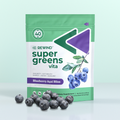
Blueberry Acai Bliss
$39.99


